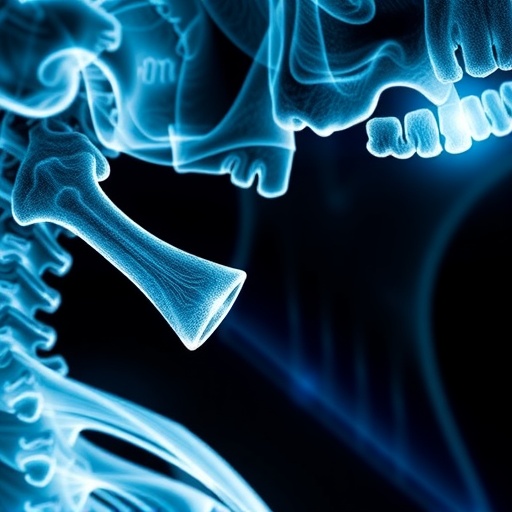
Medication-related osteonecrosis of the jaw, or MRONJ, is one of the most feared complications of the drugs used to protect fragile bones in osteoporosis, and a new real-world study has now quantified just how common it is in a large group of patients receiving antiresorptive therapy, while pinpointing the two factors that appear to drive risk more than anything else. The research, published in Archives of Osteoporosis, followed more than a thousand osteoporotic patients treated between 2020 and 2025 and found that 2.3 percent developed the condition, with cumulative treatment duration and a history of tooth extraction standing out as the dominant predictors in rigorous multivariable analysis.
The investigation was carried out by Fatma Kumbara and Filiz Eser of the Department of Physical Medicine and Rehabilitation at Ankara Bilkent City Hospital in Turkey. The researchers screened 2,153 clinical records of patients with osteoporosis who had been treated with antiresorptive agents, and 1,131 of those records met the inclusion criteria for the retrospective cohort study. Antiresorptive therapy is the backbone of modern osteoporosis management, encompassing drugs such as bisphosphonates and denosumab that suppress the bone-resorbing activity of osteoclasts, thereby reducing fracture risk in patients whose bones have become porous and fragile. The very mechanism that makes these drugs effective, however, also underlies the rare but serious jaw complication that the Turkish team set out to investigate.
MRONJ is defined by the American Association of Oral and Maxillofacial Surgeons as exposed bone, or bone that can be probed through an intraoral or extraoral fistula, in the maxillofacial region that has persisted for more than eight weeks in a patient with no history of radiation therapy to the jaw and no obvious metastatic disease. The condition is uncommon, but it is clinically important because it can cause pain, infection, loosening of teeth and significant deterioration in quality of life, and because it is difficult to treat once established. In their study, Kumbara and Eser diagnosed and staged MRONJ according to the 2022 AAOMS criteria, ensuring that their case definitions aligned with the most current international consensus on the disease.
The headline finding of the study is a prevalence of 2.3 percent, with 26 of the 1,131 patients receiving a diagnosis of MRONJ during the observation window. While that figure may seem small, it represents a substantial burden when multiplied across the millions of osteoporotic patients worldwide who take antiresorptive medication, and it is considerably higher than the prevalence figures often quoted in early clinical trials of bisphosphonates for osteoporosis. Real-world cohorts such as this one capture the messy reality of clinical practice, including patients with poor oral health, long treatment durations and variable adherence to dental monitoring, and they therefore provide a more accurate picture of risk than the highly selected populations enrolled in pharmaceutical trials.
The statistical analysis at the heart of the paper involved both univariate and multivariate logistic regression, the standard technique for isolating the independent contribution of each candidate risk factor while controlling for all the others. The researchers collected demographic, clinical, treatment-related and oral-dental characteristics for every patient and tested whether factors such as age, sex, comorbidities, corticosteroid use, the type of antiresorptive drug used, the duration of therapy and dental history were associated with the development of MRONJ. When all variables were entered into the multivariable model, two emerged as significant. A longer cumulative duration of antiresorptive therapy was independently associated with MRONJ, with an odds ratio of 1.03 per unit increase in treatment time, a 95 percent confidence interval of 1.01 to 1.06 and a p value of 0.010. A history of tooth extraction carried a far larger effect, with an odds ratio of 9.74, a 95 percent confidence interval of 2.48 to 38.26 and a p value of 0.001, meaning patients who had undergone an extraction were nearly ten times more likely to develop the condition than those who had not.
The finding on treatment duration fits with a large body of mechanistic and epidemiological evidence. Bisphosphonates bind to hydroxyapatite crystals in bone and accumulate at sites of active remodeling, and because jawbone undergoes high mechanical loading and frequent remodeling, these drugs concentrate in the mandible and maxilla to a remarkable degree. Over years of therapy, the suppression of osteoclast-mediated bone turnover in the jaw impairs the ability of the bone to repair itself after trauma, whether from extraction, periodontal disease or denture irritation. Each additional month of cumulative exposure, the new data suggest, nudges the risk upward incrementally, and the dose-response relationship captured by the odds ratio of 1.03 provides quantitative support for the clinical practice of periodically reassessing the need for continued antiresorptive therapy in patients on long-term treatment.
The association with tooth extraction is even more striking and is consistent with a growing international literature. Extraction creates an open wound in bone that is simultaneously suppressed in its remodeling capacity, and the alveolar socket must rely on residual osteogenic activity to fill with new bone and re-cover itself with soft tissue. When that regenerative capacity is blunted, the socket fails to heal, mucosa breaks down and exposed necrotic bone becomes a portal for oral bacteria. Recent systematic reviews and meta-analyses, including a 2025 meta-analysis of osteonecrosis following extraction in osteoporotic patients, have reported elevated risks associated with invasive dental procedures, and position papers from Italy, Korea and the Asia-Pacific region issued between 2024 and 2026 all emphasize preventive dental assessment before or early in the course of antiresorptive therapy. The nearly tenfold increase in odds observed in the Turkish cohort underscores just how pivotal the extraction socket is as the initiating event for most cases of MRONJ.
Equally important is what the study did not find. Drug holidays, the practice of temporarily interrupting antiresorptive therapy around the time of invasive dental procedures, diabetes mellitus, corticosteroid use and immunosuppressive therapy were not independently associated with MRONJ in the multivariable model. This is a notable result because drug holidays are widely recommended in clinical guidance documents, yet evidence for their effectiveness has been inconsistent. A 2025 systematic review and network meta-analysis of different antiresorptive discontinuation regimens in patients undergoing dental procedures found heterogeneous results, and the new cohort adds to the skepticism by failing to detect a protective signal. The authors caution, however, that the retrospective design and sample size may limit the power to detect smaller effects, and the question of whether temporary discontinuation genuinely reduces risk remains open.
The severity distribution among the 26 affected patients offers a mildly reassuring note. The majority, 69.2 percent, had stage 1 disease, which by AAOMS criteria involves exposed bone without infection or symptoms, while 30.8 percent had progressed to stage 2, characterized by exposed bone with infection, pain, erythema or purulent drainage. No patients with stage 3 disease, which involves more extensive necrosis extending beyond the alveolar bone or complications such as pathologic fracture, extraoral fistula or involvement of the inferior border of the mandible, were reported in this cohort. Early-stage disease can often be managed conservatively with antimicrobial rinses, antibiotics and local measures, which reinforces the importance of early detection through regular dental surveillance in patients on antiresorptive therapy.
The clinical message from the study is ultimately a preventive one. The authors conclude that careful dental assessment and multidisciplinary planning of invasive dental procedures may help reduce MRONJ risk in high-risk patients, a recommendation that echoes the 2024 guidance from the Scottish Dental Clinical Effectiveness Programme and successive international consensus statements. In practical terms, this means that patients about to begin long-term antiresorptive therapy should undergo a thorough dental evaluation, with treatment of active periodontal disease, restoration of carious teeth and completion of any necessary extractions before the first dose is administered, when the bone still retains its full regenerative capacity. For patients already on therapy, especially those with years of cumulative exposure, dental procedures should be planned jointly between the treating physician, dentist and oral surgeon, with the least invasive options considered first and meticulous wound management employed when extractions are unavoidable.
The broader context is the tension at the heart of osteoporosis care. Antiresorptive drugs prevent debilitating hip and vertebral fractures, which carry substantial mortality and morbidity, and the absolute risk of MRONJ remains low enough that experts overwhelmingly agree patients should not forgo needed therapy out of fear of jaw necrosis. Indeed, a 2025 systematic review and taskforce consensus statement concluded that antiresorptive therapy should continue to be used to reduce fracture risk even in patients contemplating dental implants. What studies like this one contribute is precision: by identifying who is genuinely at elevated risk, namely those with long cumulative exposure and those facing tooth extraction, clinicians can target their preventive efforts and their monitoring to the patients who need them most, rather than imposing blanket restrictions that could leave vulnerable bones unprotected.
For the millions of older adults living with osteoporosis, the take-home message is not to stop their medication but to take their oral health as seriously as their bone health. Regular dental check-ups, prompt attention to loose teeth, gum infections or non-healing sores, and honest communication between dentist and physician about antiresorptive exposure can catch problems before they escalate. As this new cohort from Ankara demonstrates, the risk of MRONJ in osteoporosis is real but manageable, and the levers for reducing it, limiting unnecessary invasive dental trauma and re-evaluating the duration of therapy over time, are firmly in the hands of an informed and coordinated clinical team.
Subject of Research: Prevalence and risk factors for medication-related osteonecrosis of the jaw (MRONJ) in osteoporotic patients receiving antiresorptive therapy
Subject of Research: Medicine
Article Title: Medication-related osteonecrosis of the jaw in osteoporotic patients receiving antiresorptive therapy: prevalence and associated risk factors
Article References: Kumbara, F., & Eser, F. (2026). Medication-related osteonecrosis of the jaw in osteoporotic patients receiving antiresorptive therapy: prevalence and associated risk factors. Archives of Osteoporosis, 21(1), Article 129. https://doi.org/10.1007/s11657-026-01769-8
Image Credits: AI Generated
DOI: 10.1007/s11657-026-01769-8
Keywords: Osteoporosis, Medication-related osteonecrosis of the jaw, Antiresorptive therapy, Bisphosphonates, Tooth extraction, Risk factors, Prevalence, Denosumab, Drug holiday, AAOMS staging
Cite Scienmag News
APA MLA Chicago
Ophelia Keating. (September 5, 2026). Jaw bone death risk in osteoporosis patients on antiresorptive drugs. Scienmag. https://scienmag.com/jaw-bone-death-risk-in-osteoporosis-patients-on-antiresorptive-drugs/
Ophelia Keating. “Jaw bone death risk in osteoporosis patients on antiresorptive drugs.” Scienmag, 5 September 2026, https://scienmag.com/jaw-bone-death-risk-in-osteoporosis-patients-on-antiresorptive-drugs/. Accessed 5 September 2026.
Ophelia Keating. “Jaw bone death risk in osteoporosis patients on antiresorptive drugs.” Scienmag. September 5, 2026. https://scienmag.com/jaw-bone-death-risk-in-osteoporosis-patients-on-antiresorptive-drugs/
Copy citation Download RIS
Tags: antiresorptive drugs side effectsantiresorptive therapy side effectsbisphosphonates and jaw healthcumulative duration of osteoporosis therapydenosumab and osteonecrosisfracture prevention medication risksimpact of tooth extraction on MRONJlong-term osteoporosis medication risksmedication-related osteonecrosis of the jawMRONJ risk factorsosteonecrosis of the jawosteoporosis management and oral healthosteoporosis treatment complicationspredictors of jaw bone deathreal-world osteoporosis studyreal-world study on MRONJ prevalence