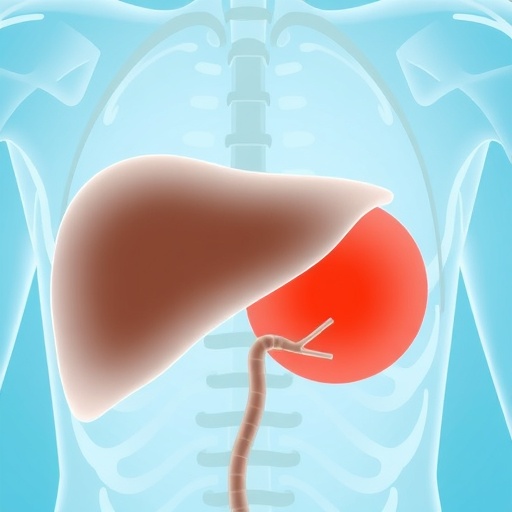
For decades, high cholesterol and fatty liver have been treated as separate medical problems: one threatening the arteries, the other damaging the liver. A review in Nature Reviews Cardiology argues that this division is increasingly difficult to defend. Dyslipidaemia—the presence of unhealthy concentrations or distributions of blood lipids—and hepatic steatosis, the accumulation of fat inside liver cells, are tightly connected metabolic disorders that often emerge alongside obesity and diabetes mellitus. Together, they help drive two of the most consequential chronic diseases of modern medicine: atherosclerotic cardiovascular disease and metabolic dysfunction-associated steatotic liver disease, or MASLD. The central challenge is now becoming clear: a treatment that improves the lipid profile in the bloodstream may not always have identical effects inside the liver, and therapies designed for one compartment can influence the other.
The liver sits at the centre of this metabolic traffic system. It receives fatty acids released from adipose tissue, manufactures new fatty acids from excess nutrients, oxidizes lipids for energy and packages fats into lipoproteins for export. Under healthy conditions, these pathways are balanced. When the incoming and newly synthesized lipid supply exceeds the liver’s ability to burn or export it, triglycerides accumulate in hepatocytes. This is hepatic steatosis. The condition is not simply a passive storage problem: excess lipid can alter cellular signalling, promote oxidative stress and disturb the organ’s broader metabolic functions. In the context of obesity and insulin resistance, increased delivery of fatty acids to the liver can coincide with increased production of new fat, creating a biochemical surplus that is difficult to clear.
One major source of that surplus is de novo lipogenesis, the conversion of carbohydrates into fatty acids within the liver. When nutrient excess and metabolic dysfunction activate lipogenic programmes, the liver can manufacture more fat even when dietary fat intake is not the only or dominant source. At the same time, impaired fatty acid oxidation reduces the liver’s capacity to dismantle fatty acids in mitochondria and use them as fuel. The third pressure comes from lipoprotein biology. The liver normally assembles triglycerides and cholesterol into particles such as very-low-density lipoprotein, or VLDL, which transports lipids through the circulation. If lipid production, oxidation and export fall out of balance, fat remains trapped in the organ. The result is a metabolic traffic jam: more cargo arrives or is created, less is burned, and the exit routes become inadequate.
The relationship also runs in the opposite direction. A fatty liver can reshape the composition and flow of circulating lipids, contributing to the dyslipidaemic patterns associated with cardiovascular risk. Abnormal lipoprotein production and altered lipid handling can expose tissues to excess atherogenic particles, which may enter the arterial wall and help initiate or accelerate plaque formation. Dyslipidaemia and hepatic steatosis therefore reinforce one another rather than operating as isolated diagnoses. Their overlap is especially important in MASLD, the specific disease category in which liver fat accumulation is linked to metabolic dysfunction. The condition is now recognized as a major manifestation of systemic metabolic disease, not merely an incidental imaging finding. This shared biology explains why strategies capable of reducing both hepatic and plasma lipid burdens could have effects extending beyond a single organ.
The therapeutic problem becomes sharper when the mechanism of a lipid-lowering drug is considered. Some treatments reduce circulating lipids by limiting the liver’s production or secretion of lipoproteins. That approach can lower the amount of lipid released into the blood, but it may also reduce the liver’s ability to export its own lipid cargo. If lipoprotein production is suppressed without a matching improvement in lipid breakdown or another route of disposal, hepatic fat may accumulate. The review emphasizes that such therapies may therefore require careful monitoring of hepatic lipid content. This does not mean that lipid-lowering treatment is inherently harmful to the liver, nor that patients should alter therapy without medical supervision. It means that the same pathway can produce different consequences in different compartments: less lipid in plasma may coexist with more lipid inside hepatocytes.
A contrasting strategy acts through the LDL receptor, a protein on the surface of liver cells that captures low-density lipoprotein particles from the bloodstream. Increasing hepatic LDL-receptor expression accelerates the removal of LDL from circulation and generally lowers plasma LDL cholesterol without forcing the liver to reduce lipoprotein export in the same way. According to the review, drugs that lower blood lipids through this receptor-driven clearance pathway do not lead to lipid accumulation in the liver. Yet the response is not uniform. Some patients are less responsive than others, reflecting biological differences in receptor regulation, lipoprotein metabolism and the wider metabolic environment. This variation is one reason why cardiovascular prevention cannot depend on a single universal mechanism. It also highlights the need to understand not only whether a drug lowers a laboratory value, but how it changes the movement and storage of lipid throughout the body.
The next generation of therapies may need to solve a more intricate engineering problem: lowering atherogenic lipoproteins while preserving, or even improving, the liver’s ability to maintain lipid balance. The review calls for treatments that decrease lipoprotein production without causing steatosis, a goal that may require carefully calibrated rather than simply maximal suppression of hepatic output. Balanced modulation could involve coordinating lipoprotein synthesis and secretion with systemic lipid catabolism, the cellular processes that break down and recycle lipids. At the cellular level, this means accounting for the fate of fatty acids, triglycerides and cholesterol together rather than targeting one circulating measurement in isolation. A drug that changes one node in the network can redirect metabolic flux through another, potentially creating benefits in the bloodstream but unintended pressure inside the liver.
This systems-level view could change how clinicians and researchers evaluate lipid-lowering medicines. Blood tests remain essential, particularly measurements of LDL cholesterol and other atherogenic lipoproteins, but they may not capture every relevant consequence of altered hepatic metabolism. Assessing liver fat and function becomes especially important when a treatment interferes with lipoprotein biosynthesis or secretion. Conversely, a therapy that promotes hepatic clearance of circulating LDL may reduce cardiovascular exposure without producing the same steatotic liability. The distinction is mechanistic rather than cosmetic: two drugs can lower plasma lipid concentrations while producing different intracellular effects because they alter different pathways. Understanding those pathways may help explain variable treatment responses and support more individualized approaches for people who have both dyslipidaemia and MASLD.
The review also points toward a broader reframing of cardiovascular prevention. Atherosclerosis develops in the arterial wall, but its fuel supply is shaped by organs and tissues that regulate lipid production, storage, transport and removal. The liver is the main processing hub in this network, making it a natural target for therapies designed to reduce vascular risk. At the same time, liver safety cannot be separated from therapeutic success when metabolic disease is widespread. Obesity and diabetes can amplify lipid imbalance, increase fatty-acid delivery to the liver and make the consequences of altered lipoprotein handling more pronounced. Treatments that address only plasma lipids may leave hepatic disease untouched, while approaches that focus only on liver fat may fail to reduce the atherogenic particles responsible for vascular injury. The most powerful interventions may therefore be those that act on both sides of the connection.
The emerging message is not that lipid lowering has reached a dead end, but that the field is moving beyond a one-number definition of success. The future of therapy will depend on controlling where lipids go, how quickly they are made, how efficiently they are burned and through which routes they leave the liver. By mapping the mechanistic links between dyslipidaemia and hepatic steatosis, the authors identify a therapeutic balancing act with unusually high stakes: reduce harmful lipid exposure in the circulation without converting the liver into a storage depot. Strategies that coordinate plasma lipid reduction with hepatic lipid homeostasis could ultimately lower the burden of both atherosclerosis and MASLD. In a world where cardiovascular and metabolic liver disease increasingly overlap, the winning treatments may be those that make the entire lipid-handling system work better—not merely those that make one blood test look better.
Subject of Research: The mechanistic links between dyslipidaemia, hepatic steatosis, MASLD and lipid-lowering therapies
Subject of Research: Medicine
Article Title: Dyslipidaemia and hepatic steatosis: mechanisms and implications for lipid-lowering therapy
Article References: Averna, M., Hussain, M.M. & Norata, G.D. “Dyslipidaemia and hepatic steatosis: mechanisms and implications for lipid-lowering therapy.” Nature Reviews Cardiology. Original publication
Image Credits: AI Generated
DOI: 10.1038/s41569-026-01336-1
Keywords: dyslipidaemia, hepatic steatosis, MASLD, lipoprotein metabolism, LDL receptor, lipid-lowering therapy, atherosclerosis, liver fat
Tags: atherosclerotic cardiovascular disease riskchallenges in treating combined lipid and liver disorderschallenges in treating simultaneous dyslipidaemia and fatty livercholesterol and fatty liver relationshipdyslipidaemiaDyslipidaemia and fatty liver disease connectionfatty liver diseasehepatic steatosis pathophysiologyimpact of lipid therapies on liver healthimpact of obesity and diabetes on hepatic steatosisinfluence of lipid therapies on liver healthintegration of cardiovascular and liver disease managementlipid-lowering treatment strategieslipid-lowering treatment strategies for metabolic disordersliver’s central role in lipid processing and exportliver’s role in lipid metabolismMASLD (metabolic dysfunction-associated steatotic liver disease)metabolic disorder connectionmetabolic dysfunction-associated steatotic liver disease (MASLD) pathophysiologyobesity and diabetes-related lipid disordersrelationship between cholesterol and fatty liverrole of liver in lipid metabolism