• HOME
  • NEWS
  • EXPLORE
    • CAREER
      • Companies
      • Jobs
    • EVENTS
    • iGEM
      • News
      • Team
    • PHOTOS
    • VIDEO
    • WIKI
  • BLOG
  • COMMUNITY
    • FACEBOOK
    • INSTAGRAM
    • TWITTER
Saturday, February 7, 2026
BIOENGINEER.ORG
No Result
View All Result
  • Login
  • HOME
  • NEWS
  • EXPLORE
    • CAREER
      • Companies
      • Jobs
        • Lecturer
        • PhD Studentship
        • Postdoc
        • Research Assistant
    • EVENTS
    • iGEM
      • News
      • Team
    • PHOTOS
    • VIDEO
    • WIKI
  • BLOG
  • COMMUNITY
    • FACEBOOK
    • INSTAGRAM
    • TWITTER
  • HOME
  • NEWS
  • EXPLORE
    • CAREER
      • Companies
      • Jobs
        • Lecturer
        • PhD Studentship
        • Postdoc
        • Research Assistant
    • EVENTS
    • iGEM
      • News
      • Team
    • PHOTOS
    • VIDEO
    • WIKI
  • BLOG
  • COMMUNITY
    • FACEBOOK
    • INSTAGRAM
    • TWITTER
No Result
View All Result
Bioengineer.org
No Result
View All Result
Home NEWS Science News Biology

UM chemist to study climate, health effects of wildfire smoke

Bioengineer by Bioengineer
June 16, 2017
in Biology
Reading Time: 2 mins read
0
Share on FacebookShare on TwitterShare on LinkedinShare on RedditShare on Telegram
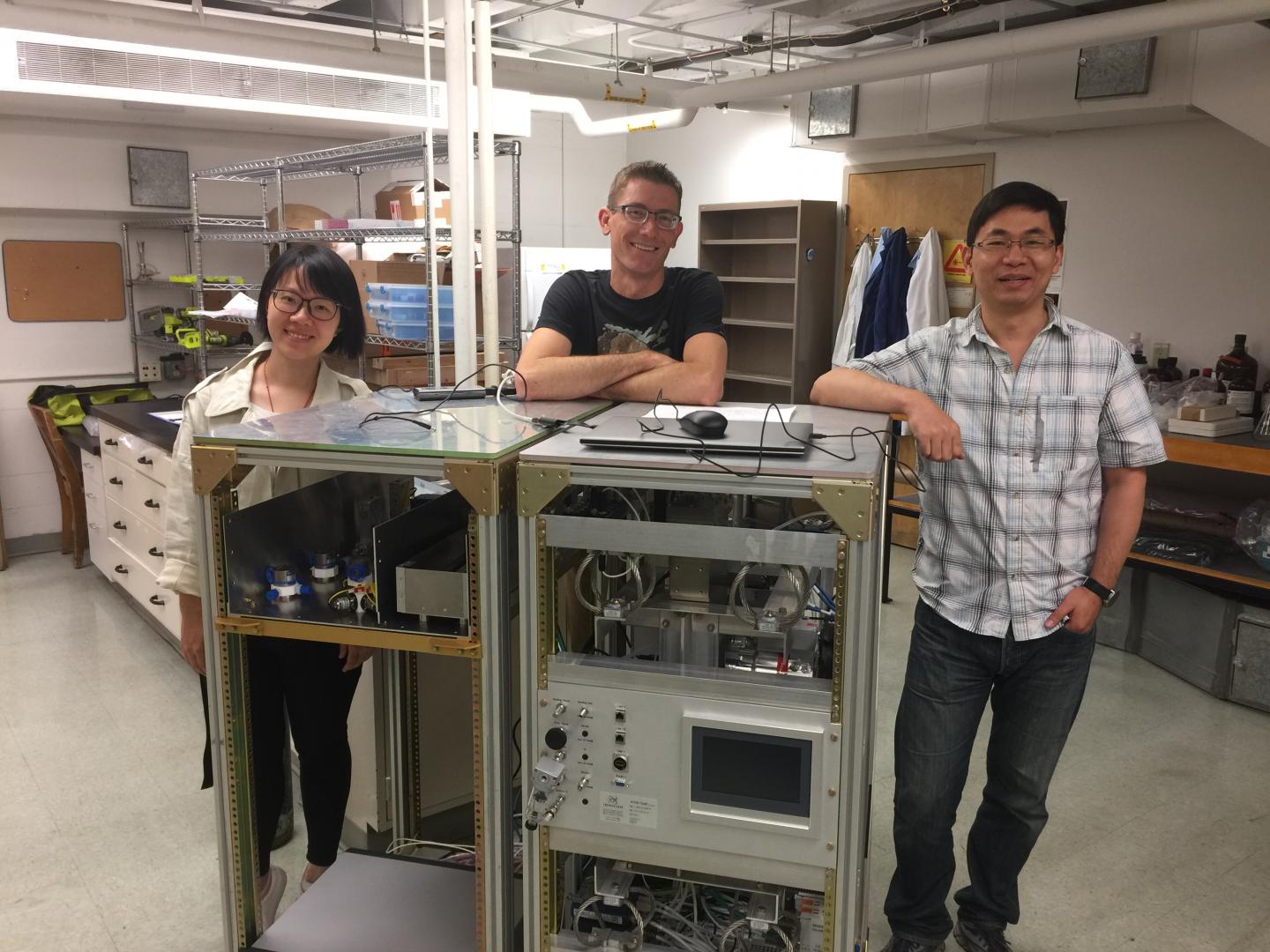
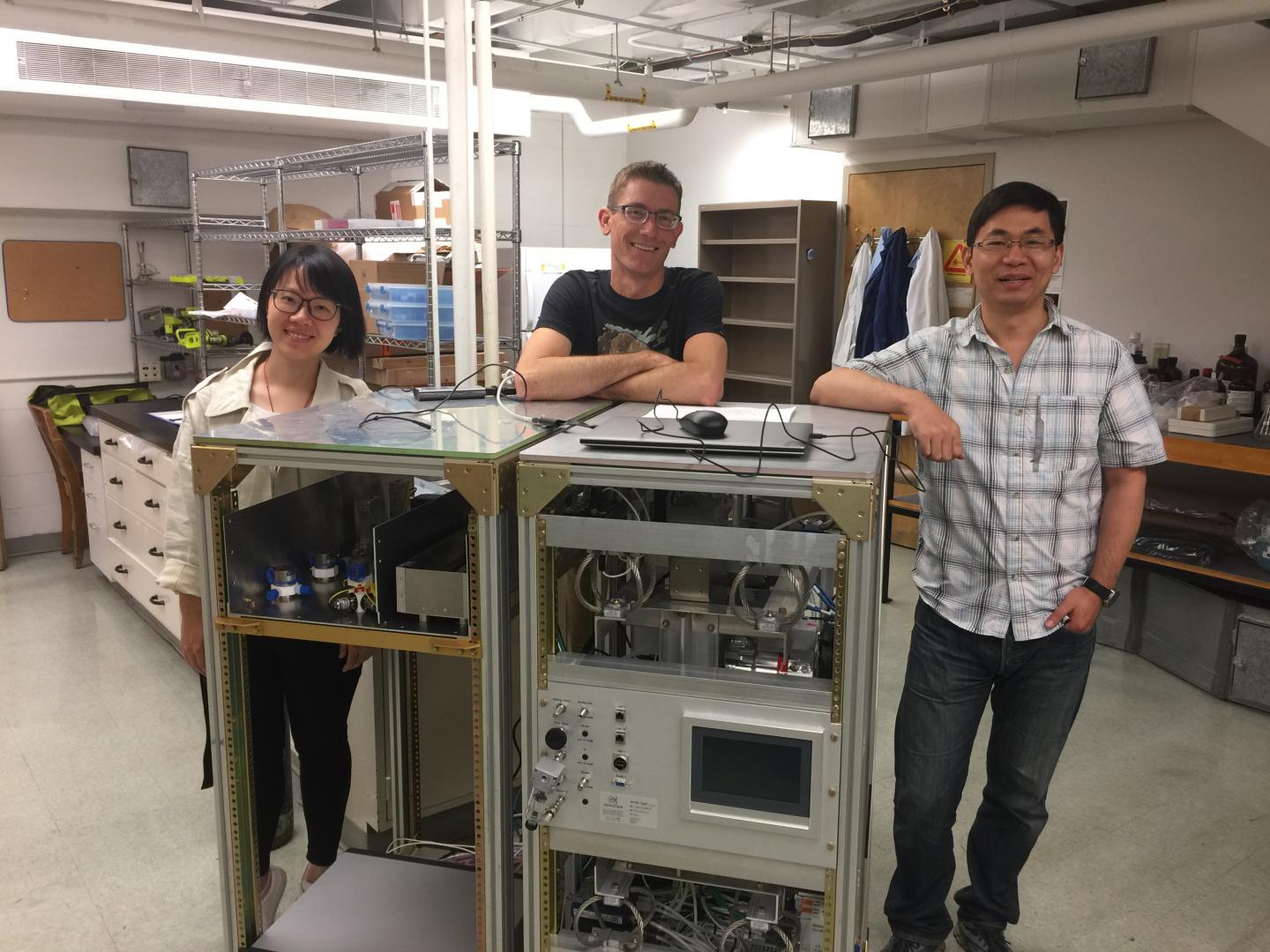
IMAGE

Credit: Courtesy of Lu Hu

MISSOULA – University of Montana scientists will fly straight into the smoke of western wildfires as part of a collaborative research project, thanks to a new grant from the National Science Foundation.

Assistant Professor Lu Hu from UM's Department of Chemistry and Biochemistry received $406,000 for the three-year project, which aims to study the chemical composition and evolution of western wildfire smoke. Hu and his atmospheric chemistry group will lead instrument preparation and deployment of the group's instrument on the NSF National Center for Atmospheric Research C-130 research aircraft.

This instrument will provide real-time measurements of volatile organic compounds in wildfire smoke and more insight into organic gas composition than previously possible. The VOCs from wildfires are typically toxic, and they can form ground-level ozone and fine particulate matter, which are linked to serious health impacts and regulated by the U.S. Environmental Protection Agency.

Test flights are planned for the end of this summer, and the major field campaign will take place in July and August 2018. Based out of Boise, Idaho, the airborne field campaign will sample wildfire smoke plumes throughout the Rocky Mountain West.

Once researchers collect the data, they will focus on how cloud chemistry, aerosol absorption and reactive nitrogen in wildfire plumes affect air quality, nutrient cycles, weather, climate and the health of those exposed to smoke.

"Living in Missoula, we know firsthand how wildfires can impact air quality," said Wade Permar, a graduate student in Hu's group. "Little is understood though about the chemical processes that take place in wildfire smoke plumes. We are hoping that through this campaign we can get a better understanding at how a wildfire may affect air quality for communities downwind."

The project is part of a larger $3.8 million study and collaborative effort among scientists from Colorado State University, the University of Colorado-Boulder, the University of Wyoming, the University of Washington, UM and NCAR. The larger team will include more than a dozen graduate students across the five universities, as well as undergraduate students.

For more information on the project, call Hu at 406-243-4231, email [email protected], visit http://hs.umt.edu/luhu/ or view the project abstract online at https://www.eol.ucar.edu/field_projects/we-can.

###

Media Contact

Lu Hu
[email protected]
406-243-4231

http://www.umt.edu

Original Source

http://bit.ly/2sEFE5O

############

Story Source: Materials provided by Scienmag

Share12Tweet8Share2ShareShareShare2

Related Posts

Florida Cane Toad: Complex Spread and Selective Evolution

Florida Cane Toad: Complex Spread and Selective Evolution

February 7, 2026
New Study Uncovers Mechanism Behind Burn Pit Particulate Matter–Induced Lung Inflammation

New Study Uncovers Mechanism Behind Burn Pit Particulate Matter–Induced Lung Inflammation

February 6, 2026

DeepBlastoid: Advancing Automated and Efficient Evaluation of Human Blastoids with Deep Learning

February 6, 2026

Navigating the Gut: The Role of Formic Acid in the Microbiome

February 6, 2026
Please login to join discussion

POPULAR NEWS

  • Robotic Ureteral Reconstruction: A Novel Approach

    Robotic Ureteral Reconstruction: A Novel Approach

    82 shares
    Share 33 Tweet 21
  • Digital Privacy: Health Data Control in Incarceration

    63 shares
    Share 25 Tweet 16
  • Study Reveals Lipid Accumulation in ME/CFS Cells

    57 shares
    Share 23 Tweet 14
  • Breakthrough in RNA Research Accelerates Medical Innovations Timeline

    53 shares
    Share 21 Tweet 13

About

We bring you the latest biotechnology news from best research centers and universities around the world. Check our website.

Follow us

Recent News

Barriers and Boosters of Seniors’ Physical Activity in Karachi

Evaluating Pediatric Emergency Care Quality in Ethiopia

TPMT Expression Predictions Linked to Azathioprine Side Effects

Subscribe to Blog via Email

Enter your email address to subscribe to this blog and receive notifications of new posts by email.

Join 73 other subscribers
  • Contact Us

Bioengineer.org © Copyright 2023 All Rights Reserved.

Welcome Back!

Login to your account below

Forgotten Password?

Retrieve your password

Please enter your username or email address to reset your password.

Log In
No Result
View All Result
  • Homepages
    • Home Page 1
    • Home Page 2
  • News
  • National
  • Business
  • Health
  • Lifestyle
  • Science

Bioengineer.org © Copyright 2023 All Rights Reserved.