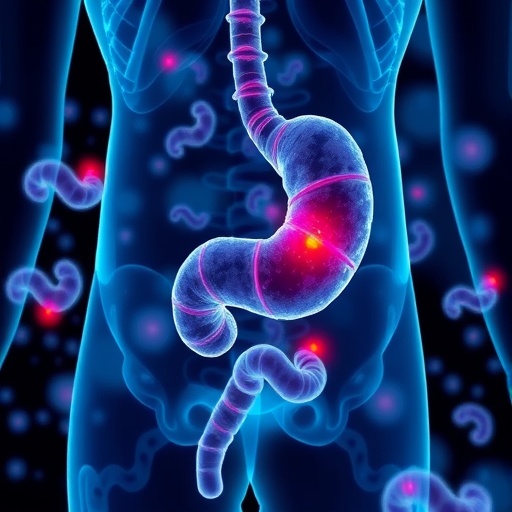
A drug designed to calm inflammation may leave a measurable signature in the gut, even when it is not being used primarily as an antibiotic. That possibility is at the center of a new open-label clinical trial examining glasmacinal, an anti-inflammatory macrolide, in healthy adults. The study, published in Nature Communications, investigates how exposure to the medicine affects the community of microorganisms living in the human intestine. Its focus reflects a growing shift in pharmacology: medicines are no longer being judged only by their direct effects on human cells, but also by how they reshape the microbial ecosystems that influence digestion, immunity and metabolism.
Macrolides are best known as antibiotics, a class of compounds that acts by binding to the bacterial 50S ribosomal subunit and interfering with protein synthesis. This mechanism can suppress susceptible bacteria, but it can also alter the wider microbial community because antibiotics rarely affect only the organism responsible for a disease. Some macrolides additionally possess anti-inflammatory properties that are distinct from their ability to inhibit bacterial growth. They can influence signaling pathways involved in the activation of immune cells, the production of inflammatory cytokines and the recruitment of neutrophils. Glasmacinal belongs to this broader pharmacological landscape, making its interaction with the gut microbiota an important question even when its intended clinical role is anti-inflammatory.
The intestinal microbiota is a densely populated biological network rather than a simple collection of isolated species. Bacteria, archaea, fungi and viruses coexist in the gut, competing for nutrients and producing molecules that can affect the host. Microbial fermentation generates short-chain fatty acids such as acetate, propionate and butyrate, which can support the intestinal barrier and influence immune regulation. Other microbial products interact with bile-acid metabolism, tryptophan signaling and glucose homeostasis. A medicine that changes the abundance of particular organisms may therefore have consequences beyond the presence or absence of those microbes. It may alter the chemical environment of the intestine and the way the immune system interprets signals from the gut.
Sewunet, Razavi, Hanrott and their colleagues approached this issue through an open-label trial in healthy adults. In this type of study, participants and researchers know that the treatment is being administered, and there is no concealed placebo comparison in the design. Such trials are useful for identifying biological signals, evaluating tolerability and determining whether a treatment produces changes that justify larger controlled studies. They are less suited to proving that a drug alone caused every observed change, because the microbiota can fluctuate naturally in response to diet, sleep, stress, physical activity, bowel habits and recent infections. The healthy-participant setting nevertheless provides a valuable baseline for studying drug-related effects without the additional microbial disturbances often associated with chronic disease.
The researchers’ central task was to compare the gut microbial community before and after exposure to glasmacinal. Microbiome studies commonly use sequencing of bacterial marker genes, such as the 16S ribosomal RNA gene, to estimate which bacterial groups are present and how their relative abundance changes. More detailed approaches use whole-genome shotgun metagenomic sequencing, which can provide information about microbial genes and potential metabolic functions rather than only taxonomic identity. These methods do not directly measure every activity taking place in the gut, but they can reveal shifts in community structure, diversity and functional potential. The distinction matters because two microbiomes may contain similar numbers of bacterial species while differing substantially in the genes and metabolites they produce.
One of the most important concepts in this field is resilience. A microbiome may respond rapidly to a medicine, with certain organisms declining and others becoming more abundant, yet later move toward its original state after treatment ends. Alternatively, even a short exposure may create a persistent change, particularly if it removes organisms that are slow to recover or allows normally rare species to expand. Researchers therefore examine not only the immediate impact of a drug but also the trajectory of recovery. Measures such as alpha diversity describe the variety within an individual sample, while beta diversity compares the overall composition between samples or time points. Neither metric alone determines whether a change is beneficial or harmful, but together they help map the ecological response.
For glasmacinal, the question is especially relevant because an anti-inflammatory macrolide could act through two overlapping biological routes. Its direct pharmacological activity may reduce inflammatory signaling in human tissues, while its antibacterial properties may modify the organisms that stimulate or suppress immune responses in the intestine. The resulting effect could be complex. A reduction in some bacteria might lower the production of inflammatory molecules, yet the loss of other organisms could reduce metabolites that help maintain the gut barrier. The microbiome may also influence the drug itself by transforming compounds before they are absorbed or eliminated. This two-way relationship, known as drug–microbiome interaction, is increasingly recognized as a factor that can affect both treatment response and side effects.
The healthy-adult trial therefore offers more than a safety check for one compound. It contributes to a larger effort to understand whether anti-inflammatory medicines can be developed without producing the ecological disruption associated with conventional antibiotic therapy. This distinction is becoming increasingly important as scientists recognize that microbiome disturbance can influence susceptibility to gastrointestinal symptoms, opportunistic infections and changes in antimicrobial resistance genes. A drug does not need to cause a dramatic collapse in bacterial diversity to matter biologically. Small shifts in particular taxa, metabolic pathways or resistance determinants may be relevant, especially if treatment is repeated or given to people whose microbiota is already vulnerable because of illness, diet or previous antibiotic exposure.
At the same time, the findings must be interpreted within the boundaries of the trial design. An open-label study in healthy volunteers cannot by itself establish how glasmacinal will behave in patients with inflammatory disease, nor can it determine whether microbiome changes improve clinical outcomes. Sequencing also has technical limits: relative abundance is not the same as absolute bacterial quantity, and genetic potential does not prove that a metabolic pathway is active. Future research will need randomized controlled comparisons, larger and more diverse participant groups, measurements of microbial metabolites, and longer follow-up after treatment ends. Studies combining metagenomics with transcriptomics, proteomics and metabolomics could show not only which organisms change, but what those organisms are doing.
The work arrives at a moment when the gut microbiota is becoming part of the safety profile of modern medicines. The relevant question is no longer simply whether a compound reaches its human target, but whether it also changes the microbial community that helps regulate immunity and metabolism. Glasmacinal provides a focused case study of that challenge: a macrolide being investigated for anti-inflammatory activity whose effects may extend into the intestinal ecosystem. By documenting how healthy adults respond, the researchers provide a foundation for deciding whether the compound’s therapeutic potential can be separated from unwanted microbial disruption. The next step will be to determine whether the observed ecological changes are temporary or persistent, whether they occur in patients with inflammation, and whether they have measurable consequences for health.
Subject of Research: The impact of the anti-inflammatory macrolide glasmacinal on the gut microbiota of healthy adults.
Article Title: Impact of the anti-inflammatory macrolide glasmacinal on the gut microbiota of healthy adults: an open-label trial.
Article References: Sewunet, T., Razavi, M., Hanrott, K. et al. Impact of the anti-inflammatory macrolide glasmacinal on the gut microbiota of healthy adults: an open-label trial. Nature Communications 17, 8728 (2026). https://doi.org/10.1038/s41467-026-76867-9
Image Credits: AI Generated
DOI: https://doi.org/10.1038/s41467-026-76867-9
Keywords: glasmacinal, anti-inflammatory macrolides, gut microbiota, microbiome, healthy adults, open-label clinical trial, drug–microbiome interactions, intestinal ecology, microbial diversity, pharmacology
Tags: clinical trial on gut microbiota response to glasmacinal in healthy adultseffects of antibiotics on human intestinal microbial communitiesGut microbiota modulation by anti-inflammatory macrolide glasmacinalimpact of immune-modulating drugs on gut bacteriainfluence of anti-inflammatory medications on digestion and immunitylong-term effects of macrolides on gut healthmicrobial ecosystem changes during drug treatmentpharmacology of anti-inflammatory antibiotics and gut microbial balancerole of macrolides in shaping gut microbiome diversity