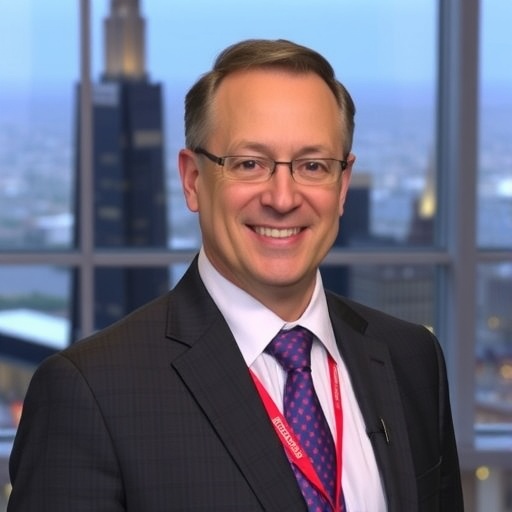
BOSTON, Massachusetts — August 7, 2026 — Kevin Duffin, vice president of Aging Research at Eli Lilly, will be a featured speaker at the 13th Aging Research & Drug Discovery Meeting, a major global gathering focused on the biology of aging and the development of therapies designed to extend healthy lifespan. The conference is scheduled for October 1–3, 2026, at the David Rubenstein Treehouse at Harvard University, bringing together scientists, clinicians, biotechnology executives, pharmaceutical leaders, investors and policymakers.
The announcement arrives as longevity research moves rapidly from a largely academic discipline into one of the most closely watched areas of drug development. Researchers are increasingly investigating whether the biological processes that drive aging can be modified rather than simply accepted as inevitable. These processes include the accumulation of senescent cells, chronic low-grade inflammation, declining mitochondrial function, genomic instability, loss of stem-cell activity and changes in cellular communication. Together, they contribute to frailty, metabolic disease, neurodegeneration, cardiovascular disorders and other conditions that rise sharply with age.
ARDD 2026 is expected to focus on how discoveries in geroscience can be converted into medicines that improve healthspan, the period of life spent in relatively good health. The field differs from traditional disease-by-disease drug development because it examines shared biological mechanisms that may influence multiple age-related conditions simultaneously. Scientists are developing biomarkers, animal models, clinical endpoints and computational tools to determine whether an intervention is genuinely altering the aging process or merely treating one consequence of it.
“The biology of aging has become one of the most promising frontiers in biomedical science,” said Vadim Gladyshev, executive chair of ARDD and professor of medicine at Harvard University. He emphasized that the central challenge is translating fundamental discoveries into interventions that improve healthspan, a task that will require collaboration across disciplines and sectors. Such collaboration is increasingly important as researchers combine molecular biology with clinical medicine, artificial intelligence, systems biology, data science and pharmaceutical development.
The meeting will also reflect the growing commercial scale of longevity biotechnology. Organized by Insilico Medicine, ARDD 2026 is anchored by Tier 1 sponsors Insilico Medicine and Eli Lilly, with the McKinsey Health Institute serving as the sole knowledge partner. The conference’s sponsor network includes major pharmaceutical companies, biotechnology firms, diagnostics companies, research organizations, investors and consumer-health businesses. Participating organizations include AbbVie, AstraZeneca, BioAge Labs, Biocytogen, Cambrian Bio, Cyclarity Therapeutics, GlycanAge, Gordian Biotechnology, Human Longevity, Tally Health and TruDiagnostic, among others.
The involvement of pharmaceutical companies is significant because many promising aging interventions remain at the stage of laboratory validation or early clinical testing. Potential approaches include drugs that selectively remove senescent cells, therapies that regulate nutrient-sensing pathways, treatments designed to restore mitochondrial performance and interventions aimed at preserving muscle, immune function or cognitive capacity. Translating these concepts into approved medicines requires evidence that the therapies are safe, produce measurable biological effects and deliver meaningful benefits for patients.
Morten Scheibye-Knudsen, co-chair of ARDD and associate professor at the University of Copenhagen, said the conference’s move to Boston represents a new chapter for the meeting. Boston is one of the world’s leading biomedical innovation hubs, with a dense concentration of universities, hospitals, biotechnology companies and pharmaceutical research centers. According to Scheibye-Knudsen, ARDD 2026 will place particular emphasis on translating scientific discoveries into medicines as the field matures.
The event is designed to connect academic laboratories with companies capable of advancing discoveries through preclinical development, clinical trials and regulatory review. Alex Zhavoronkov, Ph.D., co-chair of ARDD and chief executive officer of Insilico Medicine, described the meeting as a platform for dialogue among academia, pharmaceutical companies, startups and investors. He said the momentum behind the Boston meeting reflects the expanding role of longevity biotechnology in modern drug discovery and health economics.
A central scientific challenge for the field is defining what success should look like. Chronological age alone is a poor measure of biological health, and researchers are therefore studying molecular signatures that may provide more precise assessments of aging. These include DNA methylation patterns, inflammatory markers, immune-cell profiles, protein changes and measurements of physical resilience. Reliable biomarkers could help clinical investigators identify participants most likely to benefit from treatment and determine whether a therapy is changing aging-related biology before long-term health outcomes become visible.
ARDD 2026 will take place against this rapidly changing scientific and financial backdrop. The organizers describe the meeting as the world’s largest conference dedicated to aging and longevity biotechnology, now entering its 13th year. Its broader objective is to accelerate the movement of discoveries from the biology of aging into practical research and development programs. The Nordic Aging Society, a nonprofit scientific organization focused on aging research and collaboration across the Nordic region and beyond, is supporting the event. Further information and interview requests are available through [email protected], while details about the meeting are provided at agingpharma.org.
Subject of Research: Aging biology, longevity biotechnology, geroscience, healthspan extension, and the development of therapies for age-related diseases.
Article Title: Eli Lilly Aging Research Executive to Speak at ARDD 2026 as Longevity Science Enters Drug Development Mainstream
News Publication Date: August 7, 2026
Web References: https://agingpharma.org
Image Credits: ARDD 2026
Keywords: aging research, longevity science, geroscience, healthspan, drug discovery, Eli Lilly, Insilico Medicine, ARDD 2026, senescent cells, biomarkers, biotechnology, pharmaceutical research, Harvard University, healthy aging
Tags: age-related disease therapiesAging Biologyaging research conferencebiotech and pharma aging strategiesdrug discovery for aginggeroscience innovationshealthy lifespan extensioninflammation and aginglongevity researchmitochondrial function in agingsenescent cell removalstem cell decline