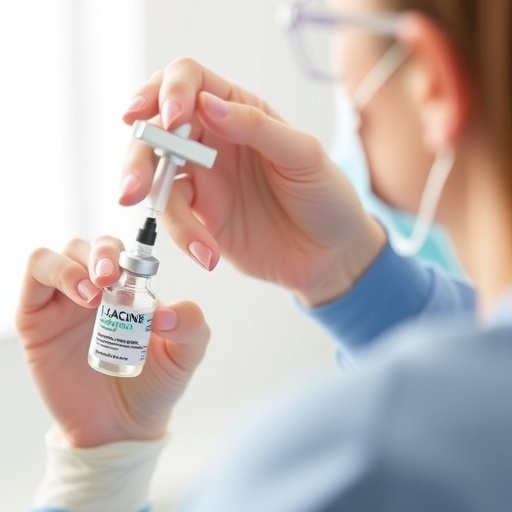
Herpes zoster, commonly known as shingles, is being targeted by a new vaccine candidate in a large phase 3 clinical trial published in Nature Communications. The study, led by Jin, Quan, Gao and colleagues, evaluates LZ901 in adults aged 40 years and older, examining whether the vaccine can prevent herpes zoster, stimulate protective immune responses and maintain an acceptable safety profile. The multicentre, randomised, double-blind, placebo-controlled design places the trial among the most rigorous forms of evidence used to assess a vaccine before broad clinical adoption.
Herpes zoster develops when varicella-zoster virus, the pathogen responsible for chickenpox, reactivates after remaining dormant in sensory nerve cells. Following the initial infection, the virus can persist for decades in nerve ganglia. Ageing, immune suppression and certain chronic conditions can weaken the immune surveillance that keeps the virus under control. When reactivation occurs, patients often develop a painful, blistering rash along the affected nerve pathway. In some cases, the pain continues for months or years after the skin lesions disappear, a complication known as postherpetic neuralgia.
The risk of shingles rises substantially with age, but the disease is not restricted to older adults. Adults in their forties and fifties can also experience clinically significant illness, particularly when their immune function is compromised. This age range is therefore important for vaccine research, because protection administered before advanced ageing may help preserve immune memory during the period when the risk of viral reactivation begins to increase. The LZ901 trial specifically addresses this population by enrolling participants aged 40 years or older rather than limiting evaluation to the oldest adults.
In a phase 3 vaccine study, efficacy is assessed in a large population under conditions designed to reflect routine use. Participants are assigned to receive either the investigational vaccine or a placebo, and neither the volunteers nor the clinical teams directly assessing outcomes know the treatment allocation during the blinded phase. Randomisation helps balance factors that might influence disease risk between groups, while the placebo comparison provides a baseline for both clinical events and reported reactions. Conducting the study across multiple centres further tests whether the findings remain consistent in different clinical settings and participant populations.
The efficacy component of the LZ901 investigation focuses on whether vaccination reduces the occurrence of herpes zoster compared with placebo. Such an endpoint generally requires careful confirmation of suspected cases, including clinical assessment and laboratory testing when appropriate. Researchers must distinguish shingles from other causes of blistering or painful rashes and document when symptoms begin, how severe they become and how long they last. Depending on the trial protocol, additional analyses may examine complications such as postherpetic neuralgia and disease occurring in participants with weakened immunity.
Immunogenicity provides a second measure of vaccine performance. A vaccine can protect against disease by generating antibodies, activating virus-specific T cells or coordinating both arms of the adaptive immune system. For a latent virus such as varicella-zoster virus, cellular immunity is particularly important because immune cells help detect and control infected cells after viral reactivation. Clinical investigators commonly measure changes in antibody concentrations and virus-specific cellular responses before and after vaccination. The LZ901 report evaluates these immune effects alongside clinical protection, offering a broader view of how the vaccine interacts with the immune system.
Safety monitoring is equally important in a study involving adults who may have age-related health conditions or other medical risk factors. Investigators record local reactions, systemic symptoms and adverse events occurring after vaccination, while also tracking serious or medically significant events throughout follow-up. The randomised placebo-controlled structure helps researchers separate reactions plausibly associated with vaccination from symptoms that occur at similar rates in the general population. Long-term observation is especially valuable for identifying uncommon events that may not emerge during early-stage trials with smaller numbers of participants.
The publication arrives as researchers continue to refine strategies for preventing diseases caused by viruses that remain hidden in the body. Unlike infections that are eliminated after recovery, varicella-zoster virus establishes lifelong latency, meaning that prevention depends on maintaining immune control over time. A successful vaccine must therefore produce an immune response that is strong enough and durable enough to counter reactivation, while remaining tolerable for people who may otherwise be healthy. By examining efficacy, immune responses and safety in the same phase 3 programme, the LZ901 study addresses the central requirements for judging its potential role in adult vaccination.
The findings will be relevant to clinicians, public-health authorities and adults considering protection against shingles, although interpretation depends on the detailed numerical results, duration of follow-up and characteristics of the participants enrolled. The trial’s randomised, double-blind and placebo-controlled methodology provides a strong framework for evaluating those results. Published in Nature Communications in 2026, the study adds to the expanding evidence base on vaccines designed to prevent herpes zoster and its complications. Its significance will ultimately rest on how effectively LZ901 combines protection, durable immunogenicity and safety in adults beginning at 40 years of age.
Subject of Research: The efficacy, immunogenicity and safety of the LZ901 vaccine against herpes zoster in adults aged 40 years or older.
Article Title: The efficacy, immunogenicity and safety of the LZ901 vaccine for herpes zoster virus in adults 40 years of age or older: a multicentre, randomised, double-blind, placebo-controlled, phase 3 trial.
Article References: Jin, P., Quan, Y., Gao, X. et al. “The efficacy, immunogenicity and safety of the LZ901 vaccine for herpes zoster virus in adults 40 years of age or older: a multicentre, randomised, double-blind, placebo-controlled, phase 3 trial.” Nature Communications (2026). https://doi.org/10.1038/s41467-026-76313-w
Image Credits: AI Generated
DOI: 10.1038/s41467-026-76313-w
Keywords: LZ901 vaccine, herpes zoster, shingles, varicella-zoster virus, vaccine efficacy, immunogenicity, vaccine safety, phase 3 clinical trial, adults aged 40 and older, viral science
Tags: herpes zoster immunogenicityherpes zoster vaccine developmentHerpes zoster vaccine efficacyherpes zoster vaccine safetyimmune response to shingles vaccineLZ901 clinical trialphase 3 vaccine trialpostherpetic neuralgia preventionshingles in middle-aged adultsshingles prevention in adultsshingles risk factors in adultsvaricella-zoster virus reactivation