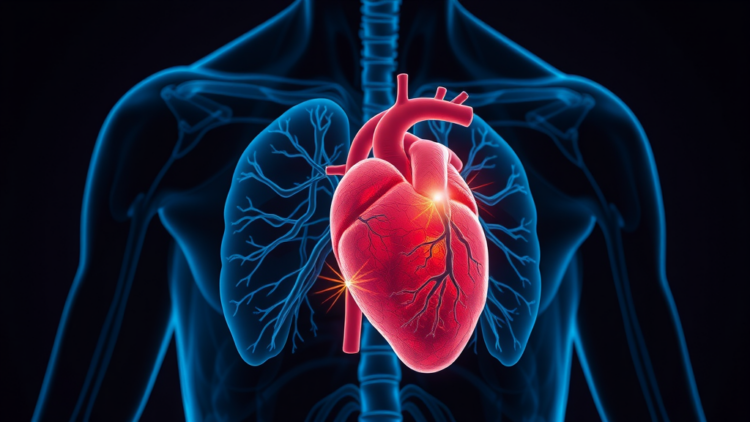
A new review in Genes & Diseases examines how T cell exhaustion may become both an obstacle and an opportunity in organ transplantation. The immune state, best known from chronic infections and cancer, arises when T cells are exposed to persistent antigen stimulation for extended periods. Rather than remaining fully functional, these cells gradually lose their ability to multiply, release cytokines, and destroy target cells. In transplanted organs, however, this decline in immune activity can have two sharply contrasting consequences: it may restrain graft rejection and support long-term tolerance, while also weakening protection against viruses, opportunistic infections, and cancer.
T cell exhaustion is not simply a temporary state of immune fatigue. It represents a complex and relatively stable cellular reprogramming process involving inhibitory receptors, epigenetic remodeling, altered transcription-factor networks, and metabolic dysfunction. When T cells repeatedly encounter antigens from a transplanted organ, they can enter a progressive pathway that begins with functional changes and may culminate in terminal exhaustion. During this process, their capacity for proliferation and effector activity declines, while molecular programs that limit excessive tissue damage become increasingly dominant.
Four immune checkpoint receptors are especially important in this transition: PD-1, CTLA-4, TIM-3, and LAG-3. These molecules transmit inhibitory signals that reduce T cell activation through partly distinct but overlapping pathways. PD-1, for example, can suppress signaling downstream of the T cell receptor by recruiting phosphatases that interfere with activation pathways. CTLA-4 competes with the stimulatory receptor CD28 for binding to costimulatory molecules on antigen-presenting cells. TIM-3 and LAG-3 add further layers of inhibition. Their sustained expression helps maintain exhaustion and can prevent alloreactive T cells from causing extensive damage to transplanted tissue.
The review emphasizes that the exhausted state is reinforced by epigenetic changes that alter how genes are accessed and expressed. DNA methylation, histone modifications, and large-scale chromatin remodeling establish a regulatory landscape distinct from that of effector or memory T cells. These changes can remain after the original antigenic stimulus has been reduced or removed, producing an enduring molecular imprint sometimes described as “epigenetic scarring.” This persistence helps explain why exhausted T cells may not fully recover even when immune conditions change, and why simply blocking inhibitory receptors may not restore their original function.
A network of transcription factors directs the development of exhaustion. TOX is presented as a central regulator, promoting inhibitory receptor expression and activating genes associated with the exhausted phenotype while suppressing programs linked to powerful effector responses. NFAT, NR4A, BATF, IRF4, MYB, and TCF-1 also contribute to the process. TCF-1 is particularly associated with progenitor exhausted cells, a self-renewing population capable of producing more differentiated exhausted cells. This hierarchical organization suggests that exhaustion is not uniform: some exhausted T cells retain proliferative potential and may respond to therapeutic intervention, whereas terminally exhausted cells are more deeply locked into dysfunctional states.
Metabolism provides another critical explanation for declining T cell performance. Activated effector T cells normally increase glucose uptake and rely heavily on glycolysis to generate energy and biosynthetic materials rapidly. Exhausted T cells show impaired glucose utilization and reduced glycolytic capacity. They may become more dependent on fatty acid oxidation, while also developing mitochondrial abnormalities, reduced ATP production, and disturbed amino acid metabolism. Mitochondria can become less efficient and accumulate stress, limiting the energy available for cytokine production and cell division. These metabolic changes are not merely consequences of exhaustion; they can actively reinforce the transcriptional and epigenetic programs that sustain it.
In transplantation, a controlled degree of exhaustion may be beneficial. By reducing the activity of T cells that recognize donor antigens, exhaustion can diminish alloreactive responses, lower the risk of rejection, and contribute to graft acceptance. The effect appears to vary according to the transplanted organ. In kidney transplantation, increased populations of exhausted T cells have been linked in some studies with improved graft function and features of immune tolerance. The liver, naturally exposed to a continuous flow of dietary and microbial antigens, possesses an especially tolerogenic environment that can favor exhaustion. In hematopoietic stem cell transplantation, exhausted donor T cells may reduce graft-versus-host disease, although the same process can weaken graft-versus-leukemia activity, which is essential for eliminating malignant cells.
The immune environment surrounding a graft can actively drive this process. Regulatory T cells, myeloid-derived suppressor cells, M2-polarized macrophages, and natural killer cells may interact with T cells in ways that suppress activation and promote exhaustion. Soluble mediators are also important. TGF-β can reshape transcriptional and epigenetic programs, while IL-10 dampens inflammatory signaling and alters cellular metabolism. Together, these factors can create a local suppressive niche in which exhausted T cells are maintained. Yet excessive suppression carries a cost: antiviral surveillance may decline, allowing latent or newly acquired infections to become more difficult to control, while impaired immune monitoring may increase the risk of post-transplant malignancies.
The authors argue that future transplantation therapies should aim not simply to eliminate exhaustion, but to manage it with greater precision. Strategies could include manipulating checkpoint pathways, modifying metabolic conditions, targeting exhaustion-associated transcription factors, or reshaping the epigenetic state of T cells. The greatest challenge will be separating protective exhaustion, which limits graft injury, from harmful exhaustion, which compromises infection control and tumor surveillance. A better understanding of progenitor and terminally exhausted populations could eventually allow clinicians to preserve tolerance while restoring selected immune functions. The review therefore presents T cell exhaustion as a dynamic therapeutic target—one that may be deliberately induced, restrained, or reversed depending on the clinical needs of each transplant recipient.
Subject of Research: T cell exhaustion in organ transplantation and its molecular mechanisms, clinical effects, and therapeutic modulation.
Article Title: The multifaceted landscape of T cell exhaustion in organ transplantation: From molecular mechanisms (epigenetics, transcription, metabolism) to induction strategies
Web References: https://doi.org/10.1016/j.gendis.2025.101965
References: Yining Wang, You Wu, Yufei Shen, Yujia Chen, Yifan Zhao, Xiandong Zeng, Kang He. “The multifaceted landscape of T cell exhaustion in organ transplantation: From molecular mechanisms (epigenetics, transcription, metabolism) to induction strategies.” Genes & Diseases, Volume 13, Issue 5, 2026, Article 101965.
Image Credits: Genes & Diseases
Keywords: T cell exhaustion, organ transplantation, immune tolerance, graft rejection, PD-1, CTLA-4, TIM-3, LAG-3, epigenetics, TOX, TCF-1, metabolism, transplant immunology
Tags: chronic infection and cancerCTLA-4epigenetic remodeling in T cellsgraft rejection preventionimmune checkpoint receptorsimmune toleranceinhibitory signaling pathwaysLAG-3long-term transplant tolerancemetabolic dysfunction in immune cellsPD-1T-cell exhaustion in organ transplantationTIM-3