


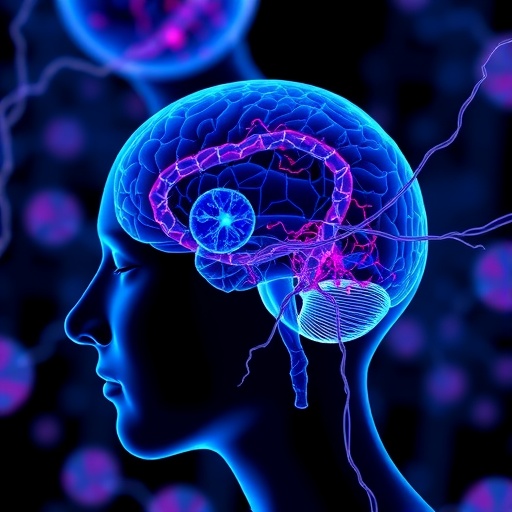
Cancer research is entering a new phase in which tumors are no longer viewed as isolated collections of malignant cells. A review published in Genes & Diseases examines the emerging “nerve–tumor axis,” a complex biological relationship in which cancer cells and nervous tissues communicate, remodel one another, and jointly influence disease progression. The work brings together evidence showing that nerves are active components of the tumor microenvironment, alongside immune cells, blood vessels, fibroblasts, and extracellular matrix. This perspective could reshape how researchers understand tumor growth, metastasis, treatment resistance, and cancer-associated pain.
The peripheral nervous system can affect tumors through electrical, chemical, and trophic signals. Nerve fibers release neurotransmitters and neuropeptides that bind to receptors on cancer cells, triggering intracellular pathways associated with proliferation, migration, survival, and invasion. Depending on the tumor type and neural context, signaling molecules such as norepinephrine, acetylcholine, dopamine, substance P, and other neuroactive factors may alter gene expression and cellular behavior. These interactions can also influence blood-vessel formation and the activity of surrounding stromal cells, helping establish conditions that support tumor expansion.
The communication is not one-directional. Tumors can actively attract, stimulate, and reorganize nearby nerves, creating a feedback loop that may intensify disease. Cancer cells and stromal cells can produce nerve growth factor and other neurotrophic signals, including brain-derived neurotrophic factor and glial cell line-derived neurotrophic factor. These molecules encourage the survival, branching, and extension of axons into tumor tissue. As new nerve fibers enter the tumor microenvironment, they provide additional sources of signaling molecules, potentially reinforcing malignant behavior and making the tumor increasingly integrated with local neural circuits.
The review identifies three interconnected processes as central to nerve–tumor biology: perineural invasion, axonogenesis, and neurogenesis. Perineural invasion occurs when cancer cells migrate along or into existing nerves, a phenomenon frequently associated with local recurrence, severe pain, and poor clinical outcomes. Axonogenesis describes the growth of new nerve fibers toward and within tumors. Neurogenesis, more broadly, refers to the formation of new neural connections or neural-like networks in the tumor environment. Although these mechanisms are distinct, they can operate together, providing tumors with routes for invasion and a continually expanding system of biological communication.
Perineural invasion is particularly important in cancers of the pancreas, head and neck, prostate, stomach, and colon. Malignant cells may adhere to nerve structures, degrade surrounding barriers, and move through spaces formed by the protective layers of nerves. This process can allow tumors to spread beyond their visible margins, complicating surgery and increasing the risk of recurrence. At the same time, nerve injury caused by invasion may release inflammatory and growth-promoting signals. The result is a potentially self-reinforcing cycle in which neural damage, inflammation, and cancer-cell migration contribute to increasingly aggressive disease.
Neural signaling also reaches far beyond the cancer cell itself. Neurotransmitters and neuropeptides can modify immune-cell recruitment, suppress antitumor immune responses, and change the behavior of cancer-associated fibroblasts. They may influence endothelial cells and vascular smooth-muscle cells, affecting blood-vessel development and tumor perfusion. This neuro-immune crosstalk is especially significant because immune suppression is a defining feature of many tumor microenvironments. By altering the balance between inflammatory and antitumor activity, neural signals may help malignant cells evade immune surveillance while maintaining access to nutrients and oxygen.
These findings are creating interest in therapies that interfere with nerve-dependent tumor support. Researchers are investigating whether blocking specific neurotransmitter receptors, inhibiting neurotrophic factors, or disrupting the growth of tumor-associated nerves can slow cancer progression. Existing neuroactive medicines, including drugs that affect adrenergic, cholinergic, or neuropeptide signaling, are being considered for possible repurposing in oncology. However, the biological effects of neural pathways are highly context-dependent. A treatment that blocks one nerve signal in a particular cancer may have limited value in another, making patient selection and molecular profiling essential for future clinical development.
The nerve–tumor axis may also offer a way to address one of the most difficult symptoms of cancer: persistent pain. Perineural invasion and tumor-associated nerve growth can sensitize sensory neurons, while inflammatory mediators released by cancer and immune cells can amplify pain transmission. Nerve-targeted interventions could therefore have two possible benefits—reducing tumor-supportive signaling and relieving symptoms. The challenge will be to distinguish neural pathways that promote malignancy from those required for normal tissue function, sensation, and repair. Precision approaches will be necessary to avoid unwanted neurological effects.
New technologies are rapidly improving scientists’ ability to investigate these interactions. Single-cell RNA sequencing can reveal the molecular identities of nerve cells, cancer cells, immune populations, and stromal cells within the same tumor. Spatial transcriptomics adds information about where those cells and their signals are located, showing how neural structures are positioned relative to invasive tumor fronts or immune-suppressed regions. Neural tracing, advanced microscopy, organoid systems, and experimental models can further track the movement of nerve fibers and test how specific signals affect tumor behavior. Together, these tools are turning the nerve–tumor axis from an overlooked concept into a measurable and potentially targetable feature of cancer biology.
The review by Liangzhan Sun and colleagues presents nerve–tumor interactions as a transformative frontier for oncology. Its central message is that cancer progression is shaped not only by mutations inside malignant cells but also by the communication networks surrounding them. Understanding how nerves enter tumors, how tumors manipulate neural tissue, and how neural signals influence immunity and metastasis could lead to new diagnostic markers and combination treatments. As research advances, the nervous system may become an important target in cancer therapy—offering a new route to limit tumor growth, overcome treatment resistance, and improve the quality of life of patients living with cancer.
Subject of Research: Nerve–tumor interactions and the role of neural signaling in cancer progression, metastasis, treatment resistance, the tumor microenvironment, and cancer-associated pain.
Article Title: Understanding nerve–tumor interactions: From basic biology to therapeutic innovation
Web References: https://doi.org/10.1016/j.gendis.2025.101955
References: Liangzhan Sun, Xia Li, Yaxuan Wang, Jingxuan Wang, Renrui Xie, Ningyi Zhang, and Zemin Zhang, “Understanding nerve–tumor interactions: From basic biology to therapeutic innovation,” Genes & Diseases, Volume 13, Issue 4, 2026, Article 101955.
Image Credits: Genes & Diseases
Keywords: nerve–tumor axis, cancer neuroscience, tumor microenvironment, perineural invasion, axonogenesis, neurogenesis, neurotransmitters, neuro-immune crosstalk, cancer metastasis, cancer pain, therapeutic innovation
Tags: cancer-associated pain mechanismselectrical signaling in tumor developmentnerve influence on metastasisnerve signaling in cancer progressionnerve-derived factors in cancer therapynerve–tumor interactionneural remodeling in cancerneurobiology of tumor progressionneurochemical regulation of tumor growthneuroimmune interactions in tumorstumor microenvironment and nervous systemtumor-stroma neural communication


