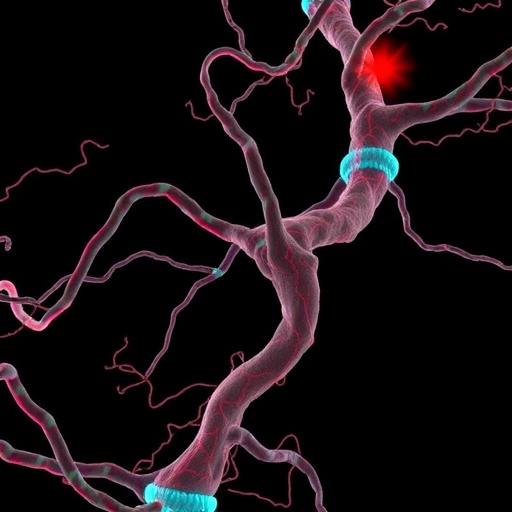
A comprehensive review published in Genes & Diseases is drawing renewed attention to FOXK2, a transcription factor that may help explain why tumors behave so differently from one another. The protein, produced by the FOXK2 gene, regulates the activity of other genes involved in metabolism, DNA maintenance, cellular stress responses, and survival. Because these processes are frequently disrupted in cancer, researchers are increasingly investigating whether FOXK2 could serve as a biomarker for diagnosis, prognosis, and treatment selection.
Unlike molecular switches that operate in a single direction, FOXK2 appears to have a context-dependent role in cancer. In some tumor environments, it may support malignant growth and help cancer cells withstand hostile conditions. In others, it may restrain tumor development by influencing pathways that limit proliferation or preserve genome stability. This apparent duality is one of the most important conclusions of the review, suggesting that FOXK2 cannot be classified simply as either an oncogene or a tumor suppressor.
The review, authored by Renata Ivo Vasconcelos, Luciana da Torre Carneiro, Raquel Ciuvalschi Maia, Thaís Hancio, and Gabriela Nestal de Moraes, examines how FOXK2 expression changes across different cancer types. Elevated levels have been reported in tumors including liver, lung, breast, and colorectal cancers. However, the pattern is not universal. Certain malignancies show reduced FOXK2 expression, highlighting the biological diversity of cancer and warning against using a single expression threshold as a universal indicator of disease severity.
At the molecular level, FOXK2 functions as a transcriptional regulator. It binds to specific regions of DNA and works with other proteins to increase or reduce the expression of target genes. Through these interactions, it can influence energy production, cell-cycle control, DNA repair, and apoptosis, the programmed cell death process that removes damaged or unnecessary cells. Cancer cells often alter all of these systems, and changes in FOXK2 activity may help them redirect cellular resources toward continued growth and survival.
One particularly important connection involves the cellular response to DNA damage. Tumor cells commonly experience genomic instability as a result of rapid division, oxidative stress, defective repair systems, or exposure to anticancer treatments. The review indicates that increased FOXK2 activity may be part of an adaptive response that allows malignant cells to tolerate this damage. By helping regulate genes associated with stress management and genome maintenance, FOXK2 could contribute to the survival of cells that would otherwise be eliminated.
This relationship may also help explain why FOXK2 is being considered in discussions of treatment resistance. Cancer therapies often work by creating lethal levels of DNA damage or by disrupting the metabolic processes on which tumors depend. If FOXK2 enables cancer cells to repair damage more efficiently or maintain essential survival programs, tumors with abnormal FOXK2 activity could respond differently to therapy. At the same time, because FOXK2 can have opposing effects in different biological settings, blocking or activating the protein would require careful evaluation rather than a one-size-fits-all strategy.
The review further links FOXK2 expression with patient outcomes, although the associations vary between tumor types. In some cancers, higher FOXK2 levels have been associated with poorer survival, while in others, reduced expression appears to coincide with an unfavorable prognosis. These contrasting observations suggest that the clinical value of FOXK2 may depend on factors such as tissue type, genetic background, tumor stage, and the activity of cooperating molecular pathways. Measuring FOXK2 alone may therefore be insufficient; its interpretation could become more powerful when combined with other biomarkers.
Researchers are also examining the mechanisms that control the FOXK2 gene itself. Its activity may be altered through DNA methylation, a chemical modification that can influence whether a gene is active; copy number variation, in which sections of DNA are duplicated or deleted; and post-transcriptional regulation, which affects how genetic instructions are processed after transcription. Among these mechanisms, copy number changes appear to be particularly influential across multiple cancers. Such alterations can increase or decrease the amount of FOXK2 produced, potentially reshaping entire networks of gene expression.
The findings position FOXK2 as a promising subject for precision oncology, but the review also underscores the challenges ahead. Before FOXK2 can be used routinely in clinics, researchers must determine which molecular forms and expression patterns are most informative, validate its predictive value in large patient groups, and establish how it interacts with existing therapies. Future studies may investigate whether FOXK2-based tests can identify patients at higher risk of aggressive disease or reveal tumors likely to resist treatment. For now, the evidence presents FOXK2 as a versatile regulator at the intersection of cancer metabolism, DNA damage, and cell survival—a biological signal whose meaning may change from one tumor to the next.
Subject of Research: FOXK2 gene expression, regulatory mechanisms, cancer biology, and clinical implications
Article Title: FOXK2 gene expression in cancer: Potential regulatory mechanisms and clinical implications
Web References: https://doi.org/10.1016/j.gendis.2025.101951
References: Renata Ivo Vasconcelos, Luciana da Torre Carneiro, Raquel Ciuvalschi Maia, Thaís Hancio, Gabriela Nestal de Moraes, “FOXK2 gene expression in cancer: Potential regulatory mechanisms and clinical implications,” Genes & Diseases, Volume 13, Issue 4, 2026, Article 101951.
Image Credits: Genes & Diseases
Keywords: FOXK2, cancer biology, transcription factor, gene expression, tumor suppressor, oncogene, DNA damage, cancer metabolism, treatment resistance, precision medicine, biomarkers, prognosis
Tags: cancer biomarkercancer metabolismcancer prognosis markerscancer therapy targetscellular stress responseDNA maintenance in tumorsdual role of FOXK2 in tumorsFOXK2 expression in liver lung breast colorectal cancersFOXK2 transcription factorgene regulation in cancermolecular mechanisms of cancer progressiontumor behavior