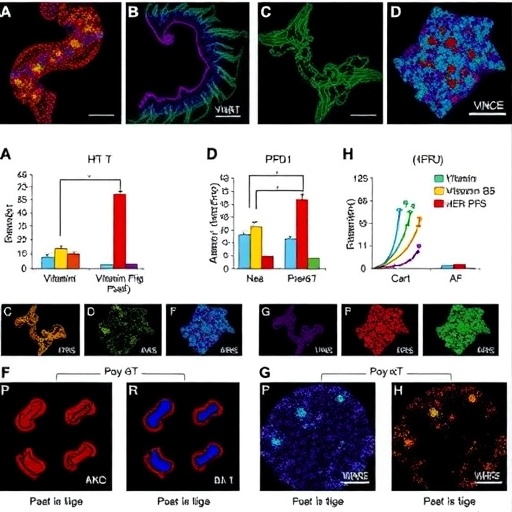
Cancer cells are often described as metabolic opportunists: they reshape the way they use nutrients so they can grow rapidly, survive stress and build new tissue. A study published in Nature Chemical Biology reports a potentially powerful way to disrupt that strategy. Researchers have identified a covalent activator of phosphofructokinase L, or PFKL, an enzyme that controls a critical step in glycolysis, and found that stimulating this enzyme can suppress tumor growth.
PFKL is one of the most important regulatory proteins in the pathway that converts glucose into usable cellular energy. Glycolysis takes place in the cytoplasm and breaks one molecule of glucose into two molecules of pyruvate, producing ATP while also generating metabolic intermediates needed to make nucleotides, amino acids and lipids. The reaction controlled by phosphofructokinase is especially significant because it acts as a metabolic checkpoint. Once glucose-derived carbon passes through this stage, the cell is strongly committed to processing it through glycolysis.
Cancer cells frequently alter this pathway. Many tumors consume glucose at unusually high rates even when oxygen is available, a phenomenon historically associated with the Warburg effect. This metabolic reprogramming does not simply provide energy. It gives malignant cells flexible access to the molecular building blocks required for DNA replication, membrane production and rapid division. Because glycolysis is so central to tumor biology, enzymes within the pathway have long attracted attention as possible drug targets. The challenge has been finding a way to interfere with cancer metabolism without causing unacceptable damage to healthy tissues.
The new work takes an unusual approach. Instead of blocking PFKL, the researchers developed a molecule that activates it. The compound forms a covalent interaction with the enzyme, creating a chemically stable attachment at a specific site on the protein. Covalent drugs can offer prolonged target engagement because the compound remains linked to its target after the initial binding event. That feature may be especially useful for enzymes whose activity needs to be shifted persistently rather than temporarily.
Activating PFKL can push glucose metabolism forward, but increased pathway activity does not necessarily benefit a tumor. Glycolysis is a network governed by tightly balanced flows of carbon, energy and signaling molecules. Driving one control point beyond the range that cancer cells can accommodate may create metabolic stress. Excessive glycolytic activity can alter the levels of upstream and downstream metabolites, disturb cellular energy management and intensify dependence on nutrients or pathways that tumors cannot easily replace.
The reported compound, therefore, appears to exploit a vulnerability created by cancer’s metabolic ambition. Tumor cells may be heavily invested in high-rate glucose consumption, yet that dependence can become a liability when the pathway is forcibly accelerated. A covalent PFKL activator could act like a metabolic accelerator that pushes malignant cells beyond a tolerable operating limit. Rather than starving tumors by removing glucose, the strategy aims to make their existing glucose-processing program harmful to their survival.
This concept is notable because most efforts to target cancer metabolism have focused on inhibition. Blocking glycolysis can reduce ATP production or deprive cells of biosynthetic intermediates, but normal tissues also rely on glucose metabolism, creating potential toxicity concerns. Enzyme activation offers a different therapeutic logic: selectively destabilizing the metabolic state on which tumor cells depend. The success of this approach will depend on how strongly the compound affects PFKL in cancer compared with healthy cells, as well as how different tumor types manage the resulting metabolic pressure.
The study’s title indicates that the activator suppressed tumor growth, a finding that moves the concept beyond biochemical enzyme assays. To establish whether such a molecule can become a practical therapy, researchers will need to define its selectivity, pharmacological behavior, distribution through the body and safety profile. They will also need to determine whether tumors can adapt by reducing glucose uptake, switching to alternative fuels or altering the expression of other glycolytic enzymes. Cancer cells are remarkably capable of rewiring metabolism, and resistance mechanisms will be a central question for future work.
The covalent nature of the compound also makes careful chemical characterization essential. A useful covalent drug must react efficiently with its intended protein while minimizing unwanted modification of other cellular proteins. Researchers typically examine target engagement, proteome-wide selectivity and the durability of the biological response. These studies can reveal whether the compound’s effects arise primarily from PFKL activation or from broader chemical reactivity. If the molecule demonstrates a favorable selectivity profile, it could provide a framework for developing additional covalent activators against metabolic enzymes.
The findings place PFKL in a growing category of drug targets whose therapeutic potential may lie not in shutting them down, but in pushing them into an abnormal state. By turning a central glycolytic control point against cancer cells, the researchers have highlighted a strategy that combines chemical biology with the emerging science of metabolic stress. The work does not mean that a new cancer treatment is immediately available, but it offers a provocative blueprint: sometimes the most effective way to attack a tumor’s fuel system may be to make it burn too intensely to survive.
Subject of Research: Cancer metabolism and covalent activation of phosphofructokinase L (PFKL) to suppress tumor growth
Article Title: A covalent PFKL activator suppresses tumor growth
Article References: Jiang, X., Lynch, E.M., Lyu, C. et al. “A covalent PFKL activator suppresses tumor growth.” Nature Chemical Biology (2026). https://doi.org/10.1038/s41589-026-02289-9
Image Credits: AI Generated
DOI: https://doi.org/10.1038/s41589-026-02289-9
Keywords: cancer metabolism, PFKL, phosphofructokinase, glycolysis, covalent activator, tumor growth, metabolic stress, chemical biology, cancer therapeutics
Tags: cancer cell metabolismcovalent activator of PFKLenzyme activation to inhibit tumor progressionglucose metabolism in cancerglycolysis regulation in cancermetabolic checkpoint in cancer cellsmetabolic reprogramming in tumorsphosphofructokinase Ltargeting glycolytic enzymes for cancer therapytumor energy production pathwaystumor growth suppressionWarburg effect