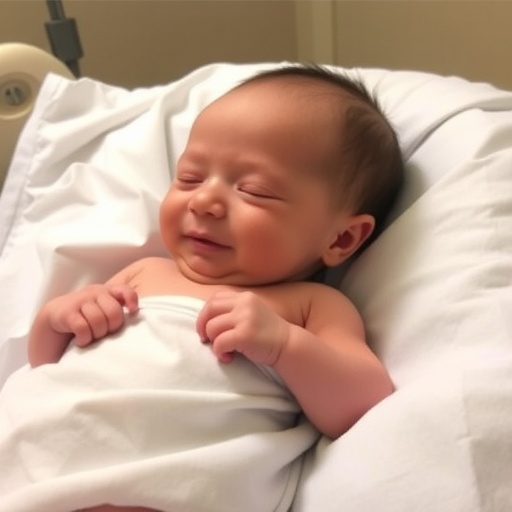
Premature infants undergoing retinopathy of prematurity (ROP) screening can experience repeated stress responses during examinations—an issue that matters because even brief discomfort may amplify physiological instability in this vulnerable population. In a new randomized controlled trial, researchers tested whether ocean sounds delivered during ROP procedures could reduce pain, improve comfort, and buffer stress-related body responses.
The study focused on infants receiving scheduled eye examinations, a clinical moment that often involves bright lighting, handling, and procedures that can trigger measurable changes in vital signs. While pharmacologic approaches exist, they carry practical and safety considerations, especially when repeated interventions are needed over time.
To evaluate the intervention, investigators compared outcomes in infants exposed to recorded ocean sounds during ROP examinations against a control group without the soundscape. The trial design aimed to separate the acoustic effect from other aspects of care by using a structured, examination-time audio protocol.
Pain and comfort were assessed using established clinical measures suitable for neonates, capturing behavioral and observational indicators rather than relying solely on subjective reports. Alongside these endpoints, the team monitored physiological parameters commonly used to quantify stress in newborns, including markers that can reflect autonomic activation during painful or anxiety-provoking events.
Although the precise magnitude of changes varies across studies of neonatal sound exposure, the central question here was whether a soothing, low-frequency, noninvasive auditory environment could dampen the physiological “fight-or-flight” pattern often seen during procedures. The ocean sound treatment was selected to be immersive yet simple to deploy in a busy NICU setting.
The findings indicate that ocean sounds can meaningfully alter the procedure-related experience of premature infants, supporting the idea that environmental sensory inputs may modulate pain perception and comfort. If confirmed and refined in additional trials, such approaches could become a low-cost adjunct to routine ROP care.
Beyond potential comfort benefits, the work highlights a broader theme in neonatal medicine: supportive interventions that act through the sensory environment may help reduce procedure-related stress without medication exposure. This is particularly relevant as NICUs increasingly adopt family-centered and developmental care strategies.
For clinicians, the study offers a practical pathway toward improving bedside experiences during ROP screening. For families, it suggests that small changes in the care environment—like controlled soundscapes—may translate into calmer examinations for their infants.
Overall, this randomized controlled trial strengthens the evidence base for nonpharmacological comfort strategies in premature infants and sets the stage for future studies to optimize timing, duration, and sound characteristics.
Subject of Research: Premature infants undergoing retinopathy of prematurity (ROP) examinations; pain, comfort, and physiological stress responses
Article Title: Effect of ocean sounds played during retinopathy of prematurity examinations on physiology, pain, and comfort levels: a randomized controlled trial.
Article References: Arslan, G., Geçkil, E., Şatırtav Akdeniz, G. et al. Effect of ocean sounds played during retinopathy of prematurity examinations on physiology, pain, and comfort levels: a randomized controlled trial. J Perinatol (2026). https://doi.org/10.1038/s41372-026-02839-y
Image Credits: AI Generated
DOI: https://doi.org/10.1038/s41372-026-02839-y
Keywords:
Tags: auditory stimulation in premature infantsimpact of environmental sounds on preemiesinfant comfort improvement strategiesneonatal anxiety and pain relief techniquesneonatal pain managementneonatal vital signs monitoring during proceduresnon-pharmacologic interventions in neonatesocean sounds therapy for preemiesphysiological stability during neonatal examinationsrandomized controlled trial in neonatologyROP screening stress reductionsensory interventions to mitigate procedural painsound therapy for infant stress