


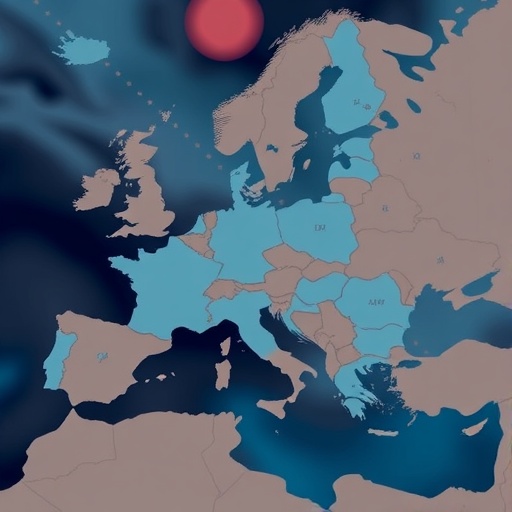
While Europe has steadily improved hepatitis B and C prevention, new analyses from the European Centre for Disease Prevention and Control (ECDC) warn that the region is unlikely to eliminate viral hepatitis as a public health threat by 2030. The issue is not the absence of effective tools, but uneven implementation and coverage across countries and risk groups. World Hepatitis Day, marked on 28 July, highlights this gap with updated epidemiological evidence.
ECDC data show that hepatitis B prevalence among children under five years is now close to zero, reflecting the impact of long-running immunisation and perinatal prevention efforts. Routine hepatitis B screening in pregnancy is established across all EU/EEA countries, helping drive mother-to-child transmission below 2%. This is a key example of prevention working at population scale.
Acute hepatitis B infections have also fallen since 2006. Among people under 25, the share of acute cases dropped from 11% in 2015 to 8% in 2024. The trend supports the role of childhood vaccination programmes and strengthened infection control. Yet the remaining burden indicates that not every pathway of transmission is fully interrupted.
For hepatitis B and C prevention, Europe relies on multiple layers: vaccination for hepatitis B, harm reduction and infection control to block transmission, early testing, and therapies that either cure hepatitis C or suppress hepatitis B. Blood safety systems, including screening and regulatory standards for blood, tissues and cells, further reduce iatrogenic risk.
Even with these measures, viral hepatitis remains a substantial health threat. ECDC estimates around five million people in the EU/EEA live with chronic hepatitis B or C, and nearly 60,000 hepatitis-related deaths occur annually. These figures underscore the need to combine prevention with timely diagnosis and linkage to care.
A major obstacle is incomplete community-level prevention. Only nine of 25 EU/EEA countries meet the WHO hepatitis B vaccination goal of 95% coverage in children, and some report recent declines. Vaccination is therefore still a bottleneck rather than a solved problem.
Hepatitis C control remains particularly dependent on addressing injecting drug use. Although opioid agonist treatment and needle and syringe programmes reduce transmission, coverage is inadequate: only seven countries meet WHO targets for distribution of sterile injection equipment. ECDC and the European Union Drugs Agency (EUDA) have emphasised prison-focused interventions, where improving healthcare could reduce ongoing transmission.
Ultimately, the technical solution is clear—vaccinate, screen, test, treat, and implement harm reduction consistently. The policy challenge is matching those interventions to local gaps, so that elimination targets are met rather than missed.
Subject of Research: Viral hepatitis prevention and control in Europe (hepatitis B and C)
Article Title: Europe may miss the 2030 viral hepatitis elimination target, ECDC warns on World Hepatitis Day
News Publication Date: 28 July (World Hepatitis Day)
Web References: https://www.ecdc.europa.eu/en/vaccination-coverage-dashboard
References:
– EU/EEA progress monitoring report for 2026: Prevention of hepatitis B and C in the European Union and European Economic Area, 2026
– ECDC Annual Epidemiological Report 2024: Hepatitis B; Hepatitis C (Stockholm: ECDC; 2026)
Image Credits: ECDC
Keywords: viral hepatitis, hepatitis B, hepatitis C, elimination targets, vaccination coverage, perinatal transmission, harm reduction, injecting drug use, blood safety, ECDC, World Hepatitis Day
Tags: Europe hepatitis preventionEuropean Centre for Disease Prevention and Controlhepatitis B and C epidemiologyhepatitis B vaccination programshepatitis C harm reduction strategiesHepatitis Day 2026hepatitis screening and testinghepatitis transmission pathwaysperinatal hepatitis B preventionprogress and gaps in hepatitis controlpublic health hepatitis initiativesviral hepatitis elimination targets


