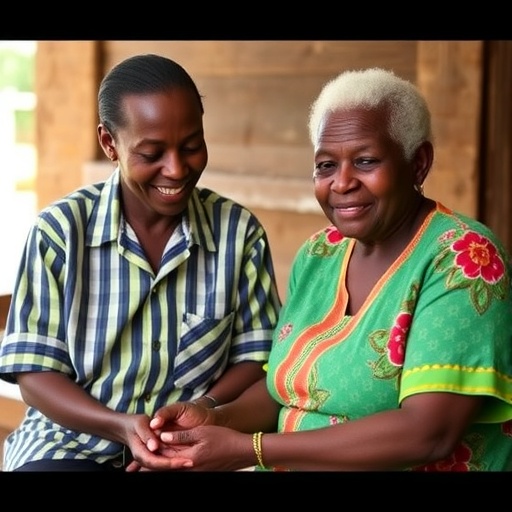
A new qualitative ethnographic study is reshaping how we think about aging with Parkinson’s disease in low-resource settings. Published in 2026 in BMC Geriatrics, the research investigates how older Kenyans experience daily life as symptoms progress, and how family networks and community support structures respond to those changes.
Led by N. Fothergill-Misbah, the study focuses on the lived reality of Parkinson’s care rather than solely clinical outcomes. Using ethnographic methods, the work documents how caregivers interpret movement problems, fatigue, and non-motor symptoms, and how these interpretations shape what help is sought—and from whom.
The findings highlight that care is not a single event or service, but a continuous social process. Families often serve as first-line responders, coordinating observation, medication support, mobility assistance, and emotional reassurance. Community actors then extend support in ways that may not appear in biomedical records but can determine whether day-to-day function is maintained.
Crucially, the study shows how social expectations influence treatment pathways. Older persons with Parkinson’s may be encouraged to remain active within safe boundaries, while caregivers negotiate stigma, uncertainty about disease progression, and financial constraints related to long-term health needs.
From a technical standpoint, the paper emphasizes culture-specific caregiving practices—how households adapt routines, distribute roles among relatives, and interpret symptom patterns. It also examines how access barriers, such as travel distance to services and inconsistent availability of support, affect continuity of care.
The research also underscores the importance of non-motor dimensions, including cognitive and emotional changes, which can alter household decision-making. Care strategies evolve as families learn to anticipate crises, manage communication difficulties, and preserve dignity in everyday interactions.
By connecting ethnographic evidence to practical implications, the study suggests that Parkinson’s interventions should be designed with family and community systems in mind. “Viral science news” here lies in a clear shift: improving outcomes may depend as much on social infrastructure as on pharmacological treatment.
Ultimately, the work argues that culturally grounded support—coordinated across relatives and local networks—can strengthen resilience for older adults living with Parkinson’s disease in Kenya.
Subject of Research: Family and community care for older persons with Parkinson’s disease in Kenya
Article Title: Family and community care for older persons with Parkinson’s disease in Kenya: a qualitative, ethnographic study
Article References: Fothergill-Misbah, N. Family and community care for older persons with Parkinson’s disease in Kenya: a qualitative, ethnographic study. BMC Geriatr (2026). https://doi.org/10.1186/s12877-026-08051-z
Image Credits: AI Generated
DOI: https://doi.org/10.1186/s12877-026-08051-z
Keywords: Parkinson’s disease; qualitative ethnography; family care; community support; aging; Kenya; older persons; caregiving
Tags: caregiver interpretations of Parkinson’s symptomschallenges of aging with neurodegenerative diseases in resource-limited environmentscommunity-based support systems for elderly Parkinson’s patientscultural caregiving practices in Africaelder support networks in low-resource settingsethnographic study on aging with Parkinson’sfamily and community roles in Parkinson’s careimpact of social expectations on Parkinson’s treatmentParkinson’s disease caregiving in Kenyaqualitative researchsocial and economic factors influencing Parkinson’s caresocial dynamics of chronic illness management