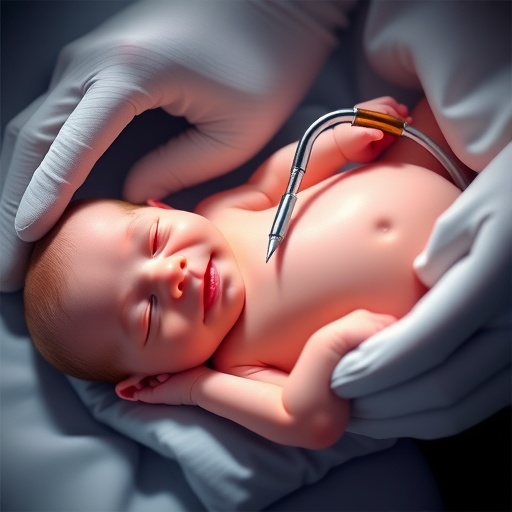
Handheld ultrasound is moving from hospitals to the bedside. A new study published in The Annals of Family Medicine reports that artificial intelligence–guided handheld cardiac imaging can help family physicians identify likely heart-related causes of dyspnea earlier—potentially reducing specialist overload and cutting costs.
Dyspnea, commonly described as shortness of breath, has many possible origins, so clinicians often rely on echocardiography to distinguish cardiac dysfunction from non-cardiac causes. In Spain, however, access challenges are substantial: patients can wait weeks to see cardiology, and a significant portion of urgent referrals may ultimately be unnecessary.
To address this gap, nine family medicine clinics across Granada, Madrid, and Barcelona piloted a workflow centered on an AI-guided handheld ultrasound device. Importantly, the intervention was designed for non-specialists, with physicians receiving structured education that combined theoretical training and hands-on practice.
Participants completed 12 hours of instruction before evaluating real patients. When a patient presented with dyspnea, physicians performed a 12-to-15 minute bedside scan using the AI tool to assess cardiac function, aiming to support clinical decision-making in real time rather than after referral.
The economic rationale is striking. The authors estimate that using the handheld, AI-guided approach costs roughly 20 euros per patient, compared with about 280 euros for a cardiology referral. That gap reflects not only imaging expenses but also downstream scheduling and specialist resource use.
Beyond cost, earlier detection could shift care toward timely treatment. By enabling point-of-care visualization, primary care clinicians can triage more effectively, potentially flagging patients who truly need cardiology follow-up while avoiding low-yield referrals.
While the pilot focuses on primary care feasibility, the underlying technical premise is straightforward: AI assistance can standardize image interpretation and reduce variability, helping clinicians capture clinically relevant cardiac views during short appointments.
If scaled, the model could translate into large system-level savings. The study authors project annual savings of approximately 70,000 euros per clinic in Spain—an outcome that aligns both patient convenience and health system efficiency.
Subject of Research: AI-guided handheld cardiac ultrasound in primary care for dyspnea/heart failure detection
Article Title: Handheld Cardiac Ultrasound Guided by Artificial Intelligence May Offer Early Detection and Substantial Savings for Patients and Clinics
News Publication Date: 27-Jul-2026
Web References: https://www.annfammed.org/content/24/4/376
Tags: AI-assisted bedside cardiac assessmentAI-enabled quick diagnosis of heart-related dyspneaAI-guided handheld cardiac ultrasoundcost savings in emergency cardiac evaluationcost-effective point-of-care cardiac imagingearly detection of dyspnea causeshandheld echocardiography for family physicianshealthcare efficiency with portable cardiac ultrasound devicesimproving access to cardiac diagnostics in Spainintegration of artificial intelligence in primary care ultrasoundreducing specialist referrals with portable ultrasoundtraining non-specialist clinicians in cardiac imaging