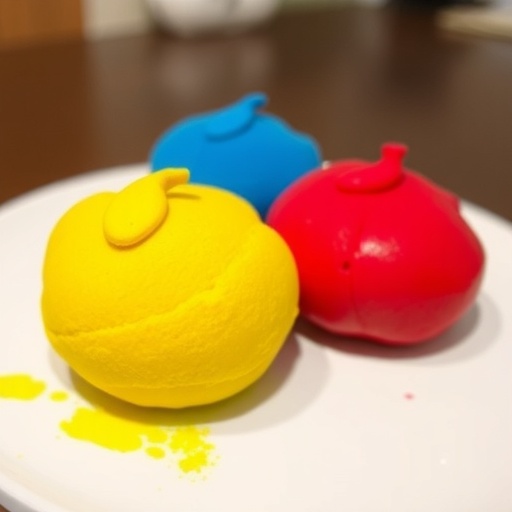
University of Missouri researchers are testing a corn-based approach to replace synthetic food dyes with a pigment package drawn from nature. The work focuses on purple corn, a traditional South American variety whose color comes from anthocyanins—water-soluble compounds responsible for the red, purple, and blue hues in many fruits and vegetables.
In the corn kernel, anthocyanins are concentrated in the pericarp, the thin outer layer that is often overlooked in processing. The team argues this location is a biochemical advantage: purple corn concentrates “high-value components” where extraction can deliver a strong pigment load.
The central challenge is performance. Many natural colorants degrade quickly when exposed to heat, light, and oxygen. Food manufacturing routinely subjects ingredients to temperatures up to about 250°F, and products must also remain stable during storage on shelves for weeks or months.
To quantify stability, researchers subjected purple corn colorants to elevated temperatures under processing-relevant conditions. After one hour of thermal exposure, roughly 75% of the key pigment compounds remained detectable, indicating that a meaningful fraction of the anthocyanin system survives real-world heat stress.
Protecting the pigments further improved results. When the team encapsulated the colorants in protective, food-grade coating materials, compound retention rose to nearly 97% for select components. The outcome is a shelf-stable powder form designed for easier distribution and more consistent dosing.
Durability was also tested in a beverage model system, an environment that combines acidity, light exposure, and long storage—conditions known to accelerate color fading in plant-based pigments. The colorants held up across acidic and basic settings.
Even after seven weeks of refrigerated storage, observed color loss was minimal. For manufacturers, that combination—thermal resilience plus pH-robust stability—addresses two of the most common failure modes that block natural dyes from mainstream use.
Beyond appearance, anthocyanins are studied for their antioxidant activity and potential roles in reducing inflammation and supporting cardiovascular health. While the technology is engineered for color, it also aligns with the growing demand for cleaner labels and ingredient transparency.
Finally, the project is not only about pigments, but also about agriculture. Over the past five years, Mizzou researchers have worked to adapt purple corn genetics to Corn Belt conditions, aiming to create hybrids that balance intense anthocyanin content with reliable crop performance.
Keywords: natural food colorants, anthocyanins, purple corn, encapsulation, beverage stability, clean label, agricultural genetics, food chemistry, thermal degradation, shelf-life
Subject of Research: Food additives / Food chemistry
Article Title: Thermal and storage degradation kinetics of corn anthocyanin-based natural red colorants in a model beverage system, and their gastrointestinal behavior
Web References: http://dx.doi.org/10.1038/s41538-026-00881-w
References: Published in npj Science of Food; DOI: 10.1038/s41538-026-00881-w
Image Credits: Abbie Lankitus/University of Missouri
Tags: bio-based food coloring solutionsbiodegradable and sustainable food colorantschallenges in natural dye stabilityencapsulation of plant pigmentsextraction from pericarp of purple cornfood-grade coating materials for colorantsNatural food dye alternativesplant-based pigment extractionpurple corn anthocyaninsreplacing synthetic food dyesshelf life of natural food dyesstability of natural colorants under heat