• HOME
  • NEWS
  • EXPLORE
    • CAREER
      • Companies
      • Jobs
    • EVENTS
    • iGEM
      • News
      • Team
    • PHOTOS
    • VIDEO
    • WIKI
  • BLOG
  • COMMUNITY
    • FACEBOOK
    • INSTAGRAM
    • TWITTER
Thursday, November 19, 2026
BIOENGINEER.ORG
No Result
View All Result
  • Login
  • HOME
  • NEWS
  • EXPLORE
    • CAREER
      • Companies
      • Jobs
        • Lecturer
        • PhD Studentship
        • Postdoc
        • Research Assistant
    • EVENTS
    • iGEM
      • News
      • Team
    • PHOTOS
    • VIDEO
    • WIKI
  • BLOG
  • COMMUNITY
    • FACEBOOK
    • INSTAGRAM
    • TWITTER
No Result
View All Result
Bioengineer.org
No Result
View All Result
Home NEWS Science News Biology

Stomach Signals Help Brain Build Memories, New Study Reveals

Bioengineer by Bioengineer
July 27, 2026
in Biology
Reading Time: 2 mins read
0
Stomach Signals Help Brain Build Memories, New Study Reveals
Share on FacebookShare on TwitterShare on LinkedinShare on RedditShare on Telegram

Viral memories may be more than a brain phenomenon. French writer Marcel Proust’s childhood recollections—triggered by the taste of a madeleine—hint at a deeper biology: the digestive system could actively shape how experiences are stored.

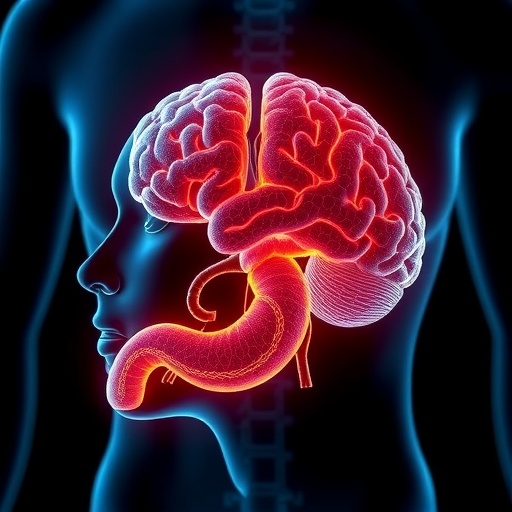
New research led by Scott Kanoski at the USC Dornsife College of Letters, Arts and Sciences suggests the gut contributes to memory encoding, particularly when food is involved. The work centers on the vagus nerve, a major communication pathway linking the gut to the brain and known to regulate digestion, appetite, and satiety.

In the study, rats that consumed nutrient-rich foods showed increased acetylcholine-related signaling in circuits involving the hippocampus, a region critical for learning and memory. Acetylcholine is a neurotransmitter that supports synaptic plasticity and helps the brain translate experience into durable memory traces.

The effect depended on gut-to-brain signaling. When researchers experimentally disrupted communication along the vagus nerve, the nutrient-driven increase in acetylcholine disappeared, and rats performed worse on tasks requiring them to remember where they had recently found food.

Crucially, the brain’s response reflected nutritional content rather than mere palatability. Rats exposed to sugar or fat displayed strong memory-associated brain activity, while sweet-tasting but low-calorie or non-caloric solutions failed to trigger comparable hippocampal effects.

The researchers propose an evolved mechanism: by broadcasting nutrient value from the gut, vagus-mediated signals help animals remember which food sources are worth seeking. Remembering where key nutrients are located would improve survival when resources are scarce.

While the same nutrient classes activated memory pathways, chronic exposure to high-fat and high-sugar diets also impaired memory over time. Early-life consumption weakened later gut–hippocampus communication, and even after switching to healthier diets, the animals showed reduced memory-related brain responses.

These findings may help explain why obesity, poor diet, and metabolic disorders are associated with cognitive decline. They also raise the possibility of new avenues for neurodegenerative disease research, including Alzheimer’s, where acetylcholine signaling disruptions emerge early.

Although the results come from animal experiments and human relevance remains to be tested, the study adds weight to a growing view: the gut and brain are not just connected—they may actively cooperate to store what matters.

Subject of Research: Animals
Article Title: The vagus nerve promotes memory in rats via nutrient-induced septo-hippocampal acetylcholine signaling
News Publication Date: 4-Jun-2026
Web References: https://www.nature.com/articles/s41467-026-73896-2
References: 10.1038/s41467-026-73896-2
Image Credits:
Keywords: vagus nerve, acetylcholine, hippocampus, memory, gut-brain axis, nutrients, Alzheimer’s disease, metabolism

Tags: acetylcholine and memory enhancementbiological basis of Proustian memoriesdigestive system influence on memory encodingfood intake and hippocampal activitygut signals and memory consolidationgut-brain axis in learning and memorygut-brain connectionimpact of food nutrients on brain functionnutrient signaling to hippocampusnutritional content versus taste in memoryrole of vagus nerve in cognitive processesvagus nerve role in memory formation


Share12Tweet7Share2ShareShareShare1

Related Posts

Silencing LINC00839 Restricts Papillary Thyroid Carcinoma Growth and Metastatic Potential

Silencing LINC00839 Restricts Papillary Thyroid Carcinoma Growth and Metastatic Potential

November 19, 2026
AI Model Correctly Identifies Under Ten Percent of Colombian Wildlife Species

AI Model Correctly Identifies Under Ten Percent of Colombian Wildlife Species

November 19, 2026

MLX Transcription Factor Suppresses Liver Fibrosis Through SMAD7 and FTO Regulation

November 19, 2026

Organic Nitrogen Optimizes Fungal Degradation of Desert Shrub Biomass for Animal Feed

November 19, 2026

POPULAR NEWS

  • Tryptophan Can Contribute to Seawater Iron Reduction at Lower pH

    Tryptophan Can Contribute to Seawater Iron Reduction at Lower pH

    29 shares
    Share 12 Tweet 7
  • Preserving Cervical Carotid Segments During Autopsy May Facilitate Subsequent Facial Embalming

    29 shares
    Share 12 Tweet 7
  • Adaptive Adversarial Network Boosts Seismic Fault Identification Accuracy Across Surveys

    29 shares
    Share 12 Tweet 7
  • Prenatal Testing Identifies Rare Mosaic Trisomy 14 in Early Severe Fetal Malformations

    29 shares
    Share 12 Tweet 7

About

We bring you the latest biotechnology news from best research centers and universities around the world. Check our website.

Follow us

Recent News

Cascaded Neural Networks Optimize Carbonate Reservoir Production Under Geomechanical Stress Limits

Adjunctive rhBNP Linked to Favorable Cardiac Indices in Non-Randomized PCI Study

FDA Approvals Reveal Antibacterial Rebound Masking Persistent Lack of Mechanistic Innovation

Subscribe to Blog via Email

Enter your email address to subscribe to this blog and receive notifications of new posts by email.

Join 88 other subscribers
  • Contact Us

Bioengineer.org © Copyright 2023 All Rights Reserved.

Welcome Back!

Login to your account below

Forgotten Password?

Retrieve your password

Please enter your username or email address to reset your password.

Log In
No Result
View All Result
  • Homepages
    • Home Page 1
    • Home Page 2
  • News
  • National
  • Business
  • Health
  • Lifestyle
  • Science

Bioengineer.org © Copyright 2023 All Rights Reserved.