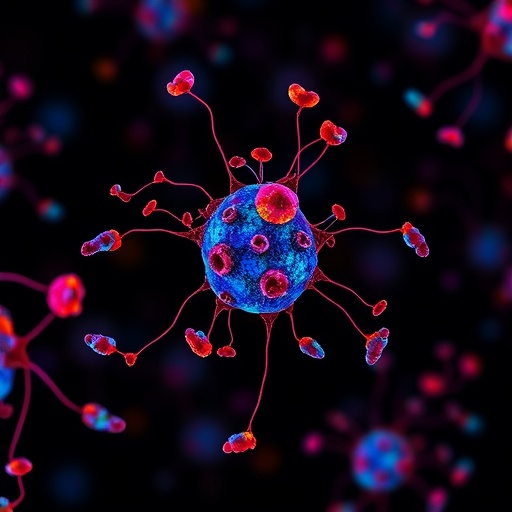
Gasdermins (GSDMs) are pore-forming executioners of pyroptosis, a highly inflammatory form of programmed cell death that culminates in membrane rupture. The pathway that first linked GSDMs to antitumour immunity emerged from studies of gasdermin D (GSDMD), whose activation depends on cleavage by inflammatory caspases downstream of inflammasome signaling. Yet, the field has moved beyond a single trigger, showing that GSDM family members can be activated through inflammasome-independent routes.
Recent work highlights the broader biochemical logic: pathogen-encoded proteases, host proteases other than inflammatory caspases, and diverse post-translational modifications can all switch on GSDMs. Importantly, these activation mechanisms have been observed across multiple cell types, including cancer cells—suggesting that pyroptosis is not merely an immune-system accident, but a tunable cellular program.
A key immunological insight is that pyroptosis can be driven directly by immune effector functions. T cells can deliver granzymes that cleave and activate GSDMs, converting cytotoxic encounters into a burst of inflammasome-like damage signals. In parallel, experimental approaches that exogenously supply active GSDMs, or that use small molecules to trigger GSDM activation, can force tumour pyroptosis in cancer cells.
Mechanistically, pyroptosis does more than kill. By rupturing membranes and releasing danger-associated signals, it promotes the recruitment and activation of immune cells within the tumour microenvironment. This immune reshaping can translate into improved control of tumour growth in preclinical settings.
Notably, an “all-or-nothing” model is unnecessary. Evidence suggests that only a fraction of tumour cells must undergo pyroptosis to initiate immune infiltration and generate antitumour immunity, while maintaining tolerable toxicity. This fraction-based effect points to a therapeutic window for exploiting lysis without catastrophic systemic inflammation.
Pyroptosis also intersects with other lytic cell-death modalities, raising questions about pathway specificity and redundancy. Comparing pyroptosis to necroptosis and other terminal cell fates suggests that common features—such as membrane disruption and inflammatory release—may converge on similar immune outcomes, even when initiation signals differ.
As immunotherapies advance, pyroptosis is emerging as a potential “force multiplier.” Combining GSDM activation strategies with existing treatments may enhance antigen presentation, strengthen innate immune priming, and convert immunologically cold tumours into responsive ones.
Overall, current evidence reframes cancer cell pyroptosis as an actionable immunotherapy lever. By understanding how GSDMs are activated and how partial pyroptosis reshapes the microenvironment, researchers may design interventions that harness inflammation with precision—igniting immunity rather than merely causing cell death.
Subject of Research: Pyroptosis and cancer immunotherapy via Gasdermin (GSDM) activation
Article Title: Igniting antitumour immunity with cancer cell pyroptosis
Article References: Liu, X., Goldberg, E., Kagan, J.C. et al. Nat Rev Cancer (2026). https://doi.org/10.1038/s41568-026-00959-3
DOI: 10.1038/s41568-026-00959-3
Keywords: Gasdermins (GSDMs); pyroptosis; GSDMD; inflammasome-independent activation; T cell granzymes; cancer immunotherapy; tumour microenvironment; immune infiltration; membrane rupture
Tags: cancer microenvironmentenhancing antitumor immune responsesgasdermin family proteins in cancer therapyharnessing pyroptosis for cancer immunimmune cell-mediated tumor cell deathinflammasome-independent gasdermin activationinflammatory cell death in cancer immunotherapypyroptosis signaling pathways in tumor cellsrole of granzymes in tumor pyroptosissmall molecule inducers of pyroptosistherapeutic targeting of gasdermins in cancertumor microenvironment modulation through pyroptosis