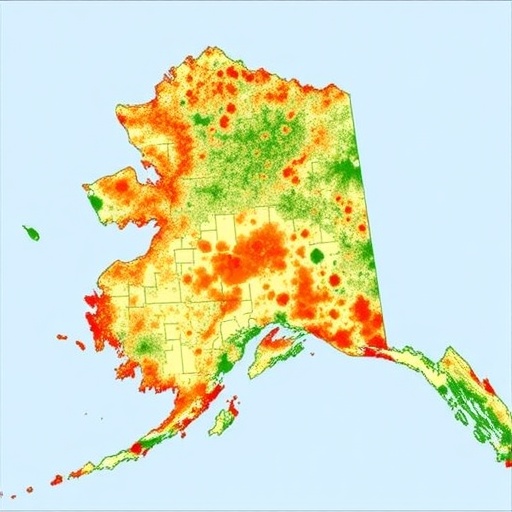
Viral science news: A new study tracking avian influenza dynamics in southwestern Alaska reports that the ecological impact of highly pathogenic avian influenza virus (HPAIV) introductions has reshaped circulating viral communities over the past decade. Researchers focused on the period 2011–2024, using longitudinal surveillance to compare viral genetic characteristics before and after HPAIV emergence across local bird populations and their shared habitats.
The team examined how HPAIV-related events influenced not only direct infections but also the broader “ecosystem” of avian influenza viruses. Rather than treating viral change as a single outbreak phenomenon, the work frames shifts as evolving patterns driven by host turnover, movement among flyway-linked species, and the selective pressures imposed by highly pathogenic lineages.
Genomic analysis revealed changes in viral diversity and in the distribution of lineages detected over time. After HPAIV introductions, several clades became more prominent while others declined, suggesting that ecological competition and altered transmission opportunities can steer which influenza genotypes persist.
The researchers also report evidence of altered evolutionary trajectories following HPAIV arrival. Changes in mutation patterns and in the rate at which lineages diversified point to a period of intensified viral adaptation, consistent with changing immune landscapes across migrating and resident hosts.
To connect viral genetics with ecology, the study integrates temporal trends with field observations of bird abundance and migration intensity. This approach supports a scenario in which the post-introduction environment favors viruses that better exploit available hosts and geographic interfaces, such as wetlands and coastal stopover sites.
Importantly, the findings underscore that monitoring should not end with the detection of a single HPAIV wave. Instead, sustained surveillance is needed to identify longer-term shifts in the “background” of circulating influenza viruses that can later seed new outbreaks.
By extending observations through 2024, the work captures how quickly the system can reorganize after introduction events. The results suggest that ecological rebalancing may occur on timescales relevant to regional public health preparedness, particularly for areas where dense bird movement increases mixing of viral lineages.
Overall, the study provides a data-driven view of how HPAIV introductions can restructure viral ecology, emphasizing that influenza risk is dynamic and context-dependent. The authors argue that integrating genomic monitoring with ecological signals can improve forecasting of future influenza emergence.
Subject of Research: Ecological shifts in avian influenza viruses following HPAIV introductions in southwestern Alaska (2011–2024)
Article Title: Ecological shifts in avian influenza viruses following HPAIV introductions in southwestern Alaska, 2011–2024
Article References: Ahlstrom, C.A., Scott, L.C., Reeves, A.B. et al. npj Viruses (2026). https://doi.org/10.1038/s44298-026-00212-6
Image Credits: AI Generated
Tags: avian influenza ecological shiftsavian influenza virus mutation patterns and evolutionbird migration and influenza transmission dynamicsecological competition among influenza lineagesecological consequences of HPAIV emergenceevolution of avian influenza post-HPAIVhighly pathogenic avian influenza virus in Alaskaimpact of HPAIV on viral diversitylongitudinal viral surveillance in wild birdsviral community restructuring after HPAIV introductionviral genetic adaptation in wild bird populationsviral lineage distribution changes over time