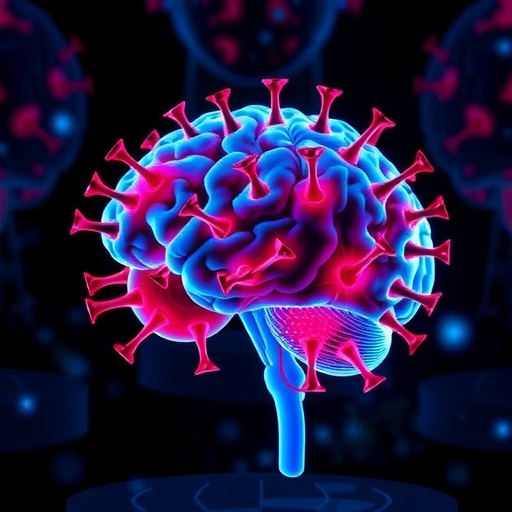
Neurological complications arising from hantavirus infections represent a rare but increasingly recognized facet of this zoonotic disease spectrum. Though hantaviruses are primarily known for causing hemorrhagic fever with renal syndrome and hantavirus pulmonary syndrome, emerging evidence suggests that neurological manifestations can also pose significant clinical challenges. Recognizing and elucidating these neurological presentations is crucial for comprehensive patient management and improving outcomes.
In recent discussions within the scientific and clinical communities, experts emphasize the need for prospective observational studies to systematically characterize the nature and frequency of neurological symptoms in hantavirus-infected patients. Such studies would help delineate the spectrum of manifestations ranging from mild, transient symptoms to severe neurological impairments involving the central and peripheral nervous systems.
Experimental models stand at the forefront of advancing our understanding of the pathophysiological mechanisms underlying hantavirus-associated neurological involvement. By replicating viral interactions with neural tissues, researchers aim to uncover how hantaviruses breach the blood-brain barrier, evoke neuroinflammation, and induce neuronal injury or dysfunction. These insights could illuminate targets for therapeutic intervention.
Currently, direct antiviral treatments for hantavirus-related neurological disease remain limited. This therapeutic gap underscores the importance of identifying molecular and immunological pathways that may be modulated to limit neurological damage. Immunomodulatory and supportive care strategies could emerge as pivotal components of clinical management once these mechanisms are better understood.
Interdisciplinary collaboration between virologists, neurologists, immunologists, and clinicians is vital to bridge the knowledge divide. Such partnerships would promote integrative research approaches and facilitate the development of evidence-based clinical guidelines tailored to neurological complications of hantavirus infection.
Moreover, the rarity of these neurological presentations demands the establishment of specialized registries and collaboration networks for data sharing, which would enhance case reporting accuracy and encourage the formulation of consensus definitions and diagnostic criteria.
Heightened awareness among healthcare providers about the potential for neurological involvement in hantavirus infection may prompt earlier recognition and intervention, potentially mitigating long-term sequelae for affected patients. Given the expanding geographic range of hantavirus reservoirs due to ecological changes, vigilance remains essential.
As our understanding of hantavirus neuropathogenesis evolves, so too will the prospects for novel therapeutics and preventive strategies. This emerging area of viral neuroscience underscores the intricate interplay between infectious agents and the nervous system, illuminating new frontiers for research in emerging infectious diseases.
Subject of Research: Neurological manifestations in hantavirus infection
Article Title: Information not available
News Publication Date: Information not available
Web References: Information not available
References: doi:10.1001/jamaneurol.2026.2437
Image Credits: Information not available
Keywords: Hantavirus, Neurological manifestations, Pathophysiology, Viral neuropathogenesis, Clinical neurology, Infectious diseases, Modeling, Medical treatments
Tags: blood-brain barrier breach in hantavirusclinical management of hantavirus neurological symptomsemerging research on hantavirus neuroinvasionexperimental models of hantavirus neurotropismHantavirus neurological complicationshantavirus pulmonary syndromehemorrhagic fever with renal syndromeneuroinflammation caused by hantavirusneurological manifestations in hantavirus infectionneuronal injury from hantavirustherapeutic strategies for hantavirus-induced neurological damagezoonotic viral infections