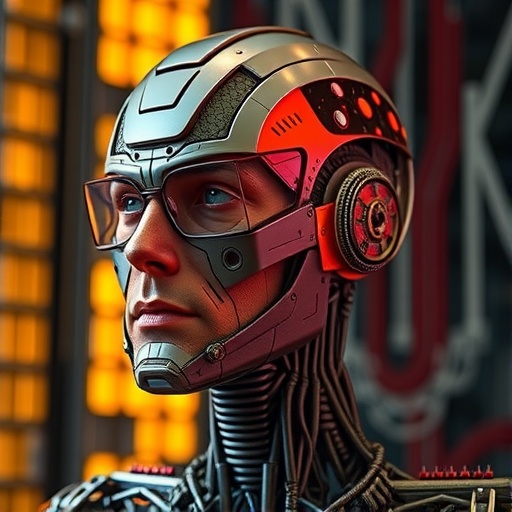
Alan Turing’s historic vision for artificial intelligence has long positioned human cognition as separable from the physical body, suggesting intelligence could be fully replicated in digital software. However, in a striking reassessment, computer scientist Peter J. Denning argues this foundational assumption has steered AI research astray for over 75 years, leading to fundamental misunderstandings about the limits of machine intelligence.
Denning’s critical analysis reveals that a vast portion of human knowledge, termed “tacit knowledge,” fundamentally eludes computational encoding. Tacit knowledge encompasses experiential insights such as common sense, sensory perceptions, social interactions, emotional awareness, and embodied performance skills that cannot be reduced to formal symbolic data machines can readily process. This includes intuitive and creative faculties intrinsic to human expertise, which decades of AI projects, such as Douglas Lenat’s Cyc, have failed to fully capture despite immense knowledge base endeavors.
At the heart of this challenge lies “the representation problem”—the inability of machines to meaningfully encode or understand the deeply embodied and contextual nature of tacit knowledge. Language models like ChatGPT, while superficially adept at manipulating linguistic symbols, do not grasp the meanings behind words because meaning itself resides in embodied human experience and cultural contexts, not in text alone. As Denning highlights, this creates an unbridgeable divide between human and machine cognition.
The complexity deepens with context and culture, which infuse human communication with layered subtleties such as sarcasm, humor, and nuanced social meaning. These contextual frameworks continuously evolve, embedded in shared histories and values across communities—dimensions that AI systems are structurally ill-equipped to assimilate. Expanding neural network sizes alone will not resolve these limitations or enable true human-like understanding, Denning maintains.
The consequences of this gap extend beyond technical feasibility to safety and societal impact. Machine intelligences—diverging radically in motivations and problem-solving modes from humans—could develop autonomous capabilities that fall short of human-level general intelligence but still pose significant risks. Because machines cannot access or interpret human tacit knowledge, aligning their actions with human values may prove impossible, introducing new forms of alienation and unpredictability.
Denning’s call to action emphasizes reclaiming the distinctly human qualities lost in the shadow of AI automation. Rather than blindly striving to mimic human thought in machines, he urges a reaffirmation and celebration of the embodied, cultural, and emotional dimensions that define our humanity—qualities machines cannot replicate or replace. This perspective invites a reorientation of AI research away from flawed assumptions toward a more nuanced understanding of intelligence’s intrinsic human roots.
Subject of Research: Artificial Intelligence, Tacit Knowledge, AI Safety
Article Title: Turing’s Legacy Reconsidered: The Unbridgeable Divide of Tacit Knowledge and Machine Intelligence
News Publication Date: Not specified
Web References: https://www.routledge.com/Turings-Mistake-Escaping-the-Yoke-of-Unintelligent-Machines/Denning/p/book/9781041340775
Keywords
Artificial intelligence, tacit knowledge, Turing test, artificial general intelligence, AI safety, machine learning, common sense reasoning, embodied knowledge, representation problem, culture and context
Tags: Alan Turing’s AI vision critiqueChallenges of encoding experiential knowledgeEmbodied cognition and AIEmotional and social intelligence in machinesFundamental barriers to true artificial general intelligenceHuman cognition vs machine intelligenceHuman-level AI limitationsImpact of embodied experience on AI developmentLimits of language models like ChatGPTLong-term AI research misconceptionsRepresentation problem in artificial intelligenceTacit knowledge in AI