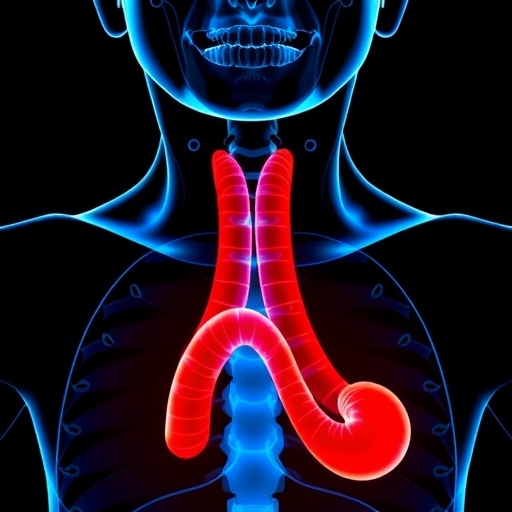
A New Frontier in Esophageal Cancer Surgery: Success of Curative Esophagectomy in Octogenarians
Esophageal cancer, a formidable malignancy with generally poor prognosis, has traditionally posed significant treatment challenges, particularly in elderly patients. Surgery, specifically esophagectomy, remains the cornerstone of potentially curative therapy. However, the procedure’s invasive nature and associated risks often preclude its use in octogenarian patients, due to concerns about frailty, comorbidities, and postoperative complications. A recent study published in BMC Geriatrics challenges this cautious approach, providing compelling evidence supporting the feasibility and relative safety of curative esophagectomy in patients aged 80 and above.
This real-world retrospective analysis meticulously examined a cohort of elderly patients undergoing esophagectomy for esophageal cancer. The researchers focused on short-term outcomes such as postoperative morbidity, mortality, hospital stay duration, and recovery trajectories. Their dataset captures the complexities of managing geriatric oncology patients outside the confines of randomized clinical trials, offering a valuable glimpse into everyday clinical practice.
Technically, esophagectomy involves resecting the diseased portion of the esophagus, often requiring reconstruction via gastric pull-up or other conduits. The procedure demands meticulous surgical skill and perioperative management to mitigate risks such as anastomotic leakage, respiratory complications, and cardiac events, risks that escalate with patient age and frailty. Despite these inherent challenges, the study’s findings are encouraging: octogenarian patients showed acceptable morbidity and mortality rates comparable to younger cohorts when carefully selected and managed.
The study emphasizes the importance of comprehensive preoperative assessment. Utilizing geriatric evaluation tools alongside conventional oncologic staging allows clinicians to better stratify surgical candidates, balancing risks and potential benefits. Optimizing prehabilitation, nutrition, and comorbidity control further enhances outcomes. This tailored approach aligns with contemporary perspectives advocating for personalized treatment pathways in elderly cancer patients rather than blanket exclusions based on chronological age.
Moreover, advancements in minimally invasive surgical techniques and enhanced recovery protocols have played a critical role in improving perioperative safety. These technical innovations minimize tissue trauma and reduce postoperative pain and pulmonary complications, which are particularly beneficial in the elderly. The authors note that institutional experience and multidisciplinary care teams are vital components in achieving such outcomes.
Despite the positive data on short-term safety, the study also calls for cautious optimism, underscoring the need for long-term follow-up to assess survival and quality of life metrics post-esophagectomy in this age group. While curative intent remains the goal, the balance between life extension and maintaining functional independence is paramount.
In summary, this pioneering research dismantles previously held reservations about aggressive surgical therapy in octogenarians with esophageal cancer. By demonstrating that curative esophagectomy can be executed with manageable risks, it opens doors for more elderly patients to access potentially life-saving treatment. As the global population ages and cancer incidence rises within older demographics, such evidence is critical in guiding future standards of care.
This study not only reshapes surgical oncology paradigms but also exemplifies the transformative impact of integrating geriatric medicine principles with advanced surgical techniques. The findings promise to influence clinical guidelines and inspire further research focused on optimizing cancer treatment for the elderly worldwide.
Subject of Research: Feasibility and short-term outcomes of curative esophagectomy in octogenarian patients with esophageal cancer
Article Title: Feasibility and short-term outcomes of curative esophagectomy in octogenarian patients with esophageal cancer: a real-world retrospective study
Article References:
Xu, B., Xiong, J., Xiang, J. et al. Feasibility and short-term outcomes of curative esophagectomy in octogenarian patients with esophageal cancer: a real-world retrospective study. BMC Geriatr (2026). https://doi.org/10.1186/s12877-026-07980-z
Image Credits: AI Generated
Tags: esophageal cancer surgery risks in elderlyesophagectomy in elderly patientsfeasibility of curative esophagectomy in older adultsgeriatric oncology surgical managementimpact of age on esophagectomyperioperative management in elderly esophageal surgerypostoperative morbidity and mortality in elderly esophageal cancer patientsrisks of esophagectomy in octogenariansshort-term recovery after esophageal cancer surgery in elderlyshort-term surgical outcomes in octogenarianssurgical treatment options for elderly esophageal cancer patients