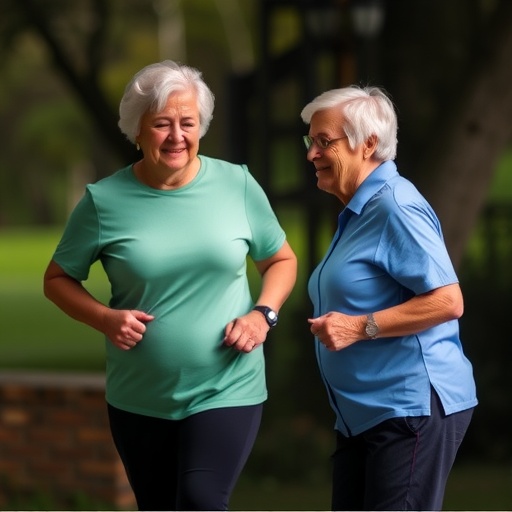
A groundbreaking new study delves into the critical issue of frailty among older adults, highlighting the transformative potential of physical activity interventions. Researchers Fayolle, Ollier, Hupin, and colleagues have conducted an extensive scoping review combined with meta-analysis and meta-regression, bringing fresh insights to the complex relationship between frailty assessment and exercise in aging populations. Published in BMC Geriatrics in 2026, this work represents one of the most comprehensive syntheses of evidence available to date.
Frailty is a multidimensional clinical syndrome characterized by diminished strength, endurance, and physiological function, which increases vulnerability to dependency and mortality. Despite its increasing prevalence due to demographic shifts toward longer lifespans, standardized assessment has remained elusive. The study advances the field by systematically evaluating existing frailty measures, underscoring the nuances in their clinical application and predictive quality.
The researchers meticulously analyzed a broad array of interventional studies targeting physical activity among seniors identified as frail or at risk. By integrating data from diverse methodologies, including randomized controlled trials and observational studies, they quantified the effectiveness of exercise protocols in mitigating frailty symptoms. The meta-analysis revealed significant improvements in muscle strength, gait speed, and overall functional independence attributable to tailored physical regimens.
Moreover, through meta-regression techniques, the authors dissected key moderators influencing intervention outcomes, such as intensity, duration, and type of exercise. These nuanced findings suggest that resistance training combined with moderate aerobic activities yields optimal benefits in reversing or delaying frailty progression. Importantly, the analysis also pointed to the critical role of early intervention, advocating for routine frailty screening in geriatric practice.
The implications extend beyond clinical settings, advocating for public health policies that integrate structured physical activity programs within community and residential care environments. Such initiatives could substantially reduce healthcare burdens by preventing falls, hospitalizations, and the cascade of complications associated with frailty. The study’s rigor and scope provide robust evidence supporting exercise as a cornerstone therapy for aging populations.
Innovatively, the research sheds light on the interplay between frailty and comorbidities, illustrating how physical activity not only improves physical parameters but also modulates inflammatory pathways and metabolic profiles linked to frailty syndromes. This holistic perspective paves the way for personalized medicine approaches that incorporate biological markers alongside functional assessments.
As the world’s population ages, understanding and combating frailty is a pressing medical and social challenge. This study catalyzes a paradigm shift, emphasizing prevention and rehabilitation through scientifically validated exercise protocols. Researchers and healthcare providers now have a compelling roadmap to enhance the quality of life for millions worldwide by harnessing the power of physical activity.
In sum, this landmark synthesis by Fayolle et al. elevates the discourse on aging and physical health, merging methodological rigor with actionable insights. It is a clarion call for integrating systematic frailty assessments and evidence-based exercise interventions at all levels of elder care, heralding a new era in geriatric medicine.
Subject of Research: Frailty assessment and effects of physical activity interventions in older adults
Article Title: Frailty assessment and effect of physical activity interventions in older adults: a scoping review, meta-analysis, and meta-regression
Article References: Fayolle, E., Ollier, E., Hupin, D. et al. Frailty assessment and effect of physical activity interventions in older adults: a scoping review, meta-analysis, and meta-regression. BMC Geriatr (2026). https://doi.org/10.1186/s12877-026-07969-8
Image Credits: AI Generated
Tags: aging and vulnerability to dependencycomprehensive frailty assessment toolsfrailty prevention in older adultsimpact of exercise on aging populationslong-term benefits of exercise in older adultsmeta-analysis of exercise efficacy in elderlymultidimensional frailty syndromephysical activity and functional independence in seniorsphysical activity interventions for senior healthpredictive value of frailty measures in clinical practicesystematic review of frailty mitigation strategiestailored physical activity programs for frailty reduction