A groundbreaking systematic review led by Bournemouth University in collaboration with University Hospitals Dorset sheds new light on how the mode of birth and perinatal antibiotic exposure shape the infant gut microbiome. Analyzing data from over 5,300 infants across eleven studies, this research presents the first comprehensive examination of how these common early-life factors jointly influence the development of gut bacterial communities critical to immune and metabolic health.
The gut microbiome, a complex ecosystem of bacteria and microorganisms inhabiting the digestive tract, is increasingly recognized as pivotal to the early maturation of the immune system and metabolic function. This review reveals consistent evidence that infants born via caesarean section or exposed to antibiotics around birth exhibit notable alterations in their gut microbiota compared with vaginally born infants without antibiotic exposure. Specifically, these infants tend to have reduced microbial diversity and lower levels of key beneficial bacteria such as Bacteroides and Bifidobacterium.
Despite these observable differences, the authors caution that the magnitude of microbial changes is modest, and the underlying certainty of the evidence remains low due to the observational nature and variability of the included studies. Thus, while the alterations in gut microbiota composition are reproducible, their long-term implications for health and disease susceptibility remain unresolved.
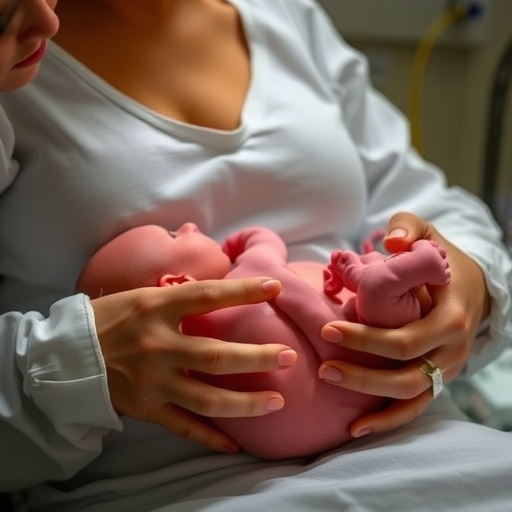
One of the most compelling findings highlights the protective role of exclusive breastfeeding. Across multiple studies, exclusively breastfed infants born via caesarean section or subjected to perinatal antibiotics showed partial restoration of their gut microbial balance. Breast milk appears to support the recovery of beneficial bacterial populations, underscoring its importance as a modifiable factor that may buffer the microbiome disruptions linked to birth interventions.
This review also features input from mothers with lived experience, who advocate for enhanced breastfeeding support in healthcare settings and wider society. They emphasize that many parents encounter systemic barriers to breastfeeding and call for coordinated efforts to empower families through accessible, evidence-based guidance and social support networks.
Importantly, the research team stresses that these findings should not discourage medically necessary caesarean deliveries or antibiotic use. These interventions remain essential for safeguarding maternal and neonatal health, and should be employed when clinically indicated. Rather, the study advocates for a nuanced appreciation of how perinatal factors impact microbiome development and the vital role of breastfeeding in mitigating potential disruptions.
Senior Lecturer Dr. Heidi Singleton remarks, “Although we identified consistent patterns in microbiome differences, the health consequences for children remain uncertain. What stands out is the encouraging potential of breastfeeding to promote microbial resilience. We hope this research will deepen understanding and foster environments that support families choosing to breastfeed.”
Neonatologist Professor Minesh Khashu adds that these findings call for further longitudinal and mechanistic studies, and details plans to establish a local cohort to explore these effects in greater depth. Meanwhile, the study underscores the pressing need for healthcare policies that prioritize breastfeeding support as a public health imperative.
This review, published in BMJ Paediatrics Open, marks a significant step forward in unraveling the subtle interplay between birth practices, antibiotic exposure, and infant gut microbiome development—an area poised to inform strategies for optimizing lifelong health from the very start.
Subject of Research: People
Article Title: Impact of mode of birth and perinatal antibiotics on infant gut microbiota and health: a systematic review and meta-analysis
News Publication Date: 3-Jul-2026
Web References: BMJ Paediatrics Open
Keywords: Childbirth, Cesarean birth, Obstetrics, Midwifery, Postnatal care, Prenatal care, Prenatal screening, Neonatology, Gut microbiota, Human gut microbiota, Breast feeding
Tags: beneficial bacteria in newbornsbirth mode impact on infant gut bacteriacaesarean section and infant gut healthearly-life antibiotics and gut microbial diversityimmune development and gut bacteriainfant gut microbiome developmentlong-term health effects of microbiome changesmetabolic health and infant microbiomeobservational studies on infant gut bacteriaperinatal antibiotic exposure and microbiotasystematic review of birth method and antibiotics effectsvaginal birth versus C-section microbiome differences