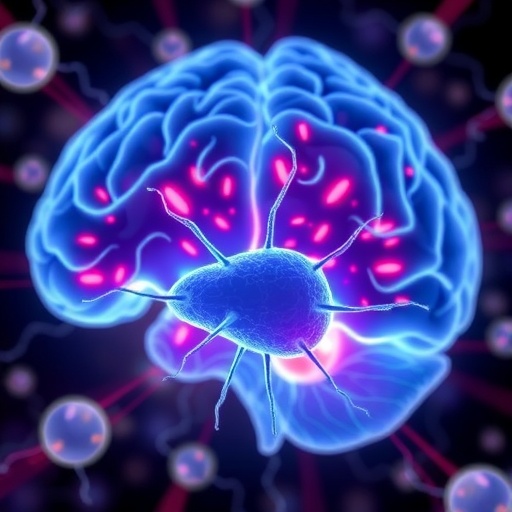
At the forefront of regenerative medicine, new clinical data presented at the ISSCR 2026 Annual Meeting spotlight a promising stem cell-based therapy targeting Parkinson’s disease. The STEM-PD Phase I/II clinical trial assessed a cryopreserved, off-the-shelf dopaminergic progenitor cell product derived from human pluripotent stem cells. This innovative approach aims to replace the dopamine-producing neurons lost to Parkinson’s disease, offering a potentially transformative strategy beyond symptomatic treatment.
Parkinson’s disease is typified by the progressive degeneration of dopaminergic neurons in the substantia nigra, leading to debilitating motor dysfunction. While current pharmacological therapies mitigate symptoms by supplementing dopamine, they fail to replace the lost neuronal population, underscoring an unmet need for durable, restorative solutions. Stem cell-derived dopaminergic progenitors could fulfill this need by replenishing damaged neural circuits.
The STEM-PD trial enrolled patients with moderate to advanced Parkinson’s disease who exhibited limited response to optimized medical regimens. Participants received transplants of pluripotent stem cell-derived dopaminergic progenitor cells, designed to engraft and restore intrinsic dopamine production. This trial builds on previous fetal tissue transplantation studies but leverages the scalability, standardization, and quality control enabled by stem cell technologies, overcoming historical barriers related to tissue sourcing and variability.
A major technical achievement highlighted by Malin Parmar of Lund University is the ability to manufacture and deliver these cells safely within a rigorous clinical framework. The findings demonstrate not only feasibility but also early signals of biological activity, bolstering the therapeutic premise. Remarkably, these results converge with other global stem cell trials utilizing distinct cell products and protocols, underscoring reproducibility and strengthening confidence in this emerging therapeutic class.
The clinical translation of stem cell therapies for complex neurodegenerative disease remains challenging, requiring interdisciplinary collaboration across cell biology, manufacturing, regulatory compliance, and clinical practice. The STEM-PD trial marks a critical milestone in this continuum, signaling progress from bench to bedside.
Looking ahead, ongoing follow-up will be essential to evaluate long-term graft survival, functionality, and patient outcomes. Furthermore, optimizing graft integration, dosing strategies, and minimizing immunosuppression through autologous or immune-evasive engineered cells are vital research directions. These efforts aim to maximize clinical benefit while enhancing safety and accessibility.
This body of work culminates decades of foundational research, including pioneering endeavors from Lund University over 40 years ago, which laid the conceptual groundwork for cell replacement in Parkinson’s disease. The STEM-PD trial exemplifies how stem cell biology breakthroughs are rapidly advancing toward viable regenerative therapies, raising hopes for a paradigm shift in treating neurodegeneration.
As these stem cell-based approaches progress, they could ultimately replace current dopamine-centric treatments with therapies that fundamentally restore brain function, potentially transforming quality of life for millions affected by Parkinson’s disease worldwide.
Subject of Research: Stem cell-derived dopaminergic progenitor transplantation for Parkinson’s disease
Article Title: Stem Cell Breakthrough at ISSCR 2026: Pioneering Regenerative Therapy for Parkinson’s Disease
News Publication Date: 2026
Web References: http://www.isscr2026.org
Keywords: Parkinson’s disease, stem cell therapy, dopaminergic progenitors, regenerative medicine, neurodegeneration, pluripotent stem cells
Tags: advanced Parkinson’s disease cell transplantationclinical trial for Parkinson’s regenerative medicinecryopreserved off-the-shelf neural cell productinnovative strategies for dopamine neuron replacementISSCR 2026 stem cell research conferenceneural circuit restoration in Parkinson’sovercoming tissue sourcing barriers in regenerative medicinepluripotent stem cell-derived dopaminergic progenitorsprogenitor cell engraftment in Parkinson’s treatmentscalable stem cell therapies for neurodegenerative disordersstemstem cell therapy for Parkinson’s disease