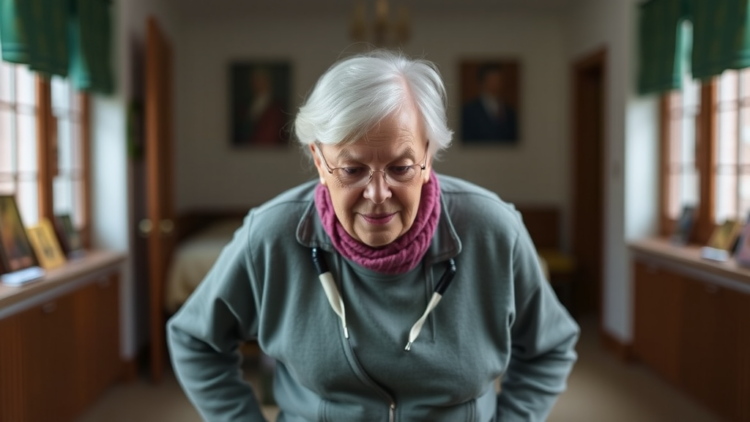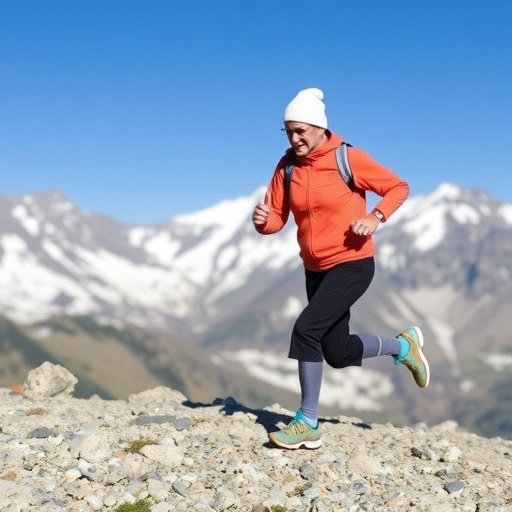
A new study raises critical concerns about the relationship between physical activity levels and the risk of falls in elderly populations living at high altitudes. Conducted in a remote district of Peru, researchers have unveiled data that highlight how reduced physical activity dramatically escalates the incidence of falls, a leading cause of injury and morbidity in aging individuals. This analysis stems from the secondary evaluation of data collected in the Aunqui-Andes study, a project dedicated to understanding the health dynamics of older adults in challenging environmental conditions.
Falls represent one of the most pressing public health issues for seniors worldwide, often resulting in fractures, prolonged hospitalizations, and increased mortality. The physiological and environmental challenges posed by high-altitude living—such as decreased oxygen saturation and rugged terrain—compound these risks, creating a complex landscape for geriatric care. This recent investigation meticulously quantifies the extent to which inactivity exacerbates vulnerability in this unique demographic.
The methodology involved an intricate statistical approach to secondary data, focusing on physical activity levels measured through validated questionnaires and health assessments tailored to the Andean context. Researchers correlated these levels with documented fall incidents, adjusting for confounding factors including age, gender, comorbidities, and altitude-related physiological stress. The nuanced analysis reveals that sedentary lifestyles undermine muscle strength, balance, and cardiovascular efficiency, pivotal elements in fall prevention.
Interestingly, the study highlights the interaction between environmental stressors at high altitude and decreased physical conditioning. Hypoxia-induced fatigue and impaired neuromuscular coordination, common in elevated terrains, were found to synergize negatively with inactivity. This convergence elucidates why older adults residing in such regions encounter disproportionately higher fall rates compared to lowland counterparts.
The implications of these findings are profound in the context of global aging. As populations are rapidly aging even in geographically isolated regions, understanding how environmental and behavioral factors interplay is paramount. Health interventions tailored to promote safe physical activity could markedly reduce injury rates, enhancing not only longevity but also quality of life for high-altitude elderly communities.
Policy makers and healthcare providers are urged to integrate altitude-sensitive fitness programs and fall-prevention strategies into their frameworks. These programs should consider the balance between encouraging activity to maintain functional capacity and accommodating limitations imposed by hypoxia and terrain. The creation of community-based initiatives that foster social engagement and education on safe exercise could further underpin these efforts.
Future research directions include prospective studies incorporating wearable technology for real-time monitoring of activity and fall risk, as well as the development of altitude-adapted rehabilitation protocols. The fine-tuning of such interventions holds promise for transforming geriatric care paradigms in mountain regions globally.
This investigation stands as a pivotal contribution to gerontology, unveiling the nuanced interplay between physical inactivity and frailty in one of the world’s most challenging environments. It underscores a vital message: sustaining movement is not merely beneficial but essential for safeguarding the elderly against debilitating falls, particularly at high altitudes where every step carries heightened risk.
Subject of Research: Physical activity levels and fall risk among older adults in a high-altitude district of Peru.
Article Title: Low physical activity and risk of falls among older adults in a high-altitude district of Peru: a secondary analysis of the Aunqui-Andes study.
Article References:
Huaracayo-Campos, J.A., Rojas-Astorayme, C., Rojas-Carranza, V.Y. et al. Low physical activity and risk of falls among older adults in a high-altitude district of Peru: a secondary analysis of the Aunqui-Andes study. BMC Geriatr (2026). https://doi.org/10.1186/s12877-026-07909-6
Image Credits: AI Generated
Tags: Andean population health studyelderly fall risk at high altitudesenvironmental factors affecting older adultsgeriatric fall prevention strategieshigh-altitude living health challengesimpact of altitude on elderly healthoxygen saturation and fall susceptibilityphysical activity and agingphysical inactivity and injury risk in seniorspublic health implications of high-altitude agingremote district elderly health assessmentstatistical analysis of fall risk factors