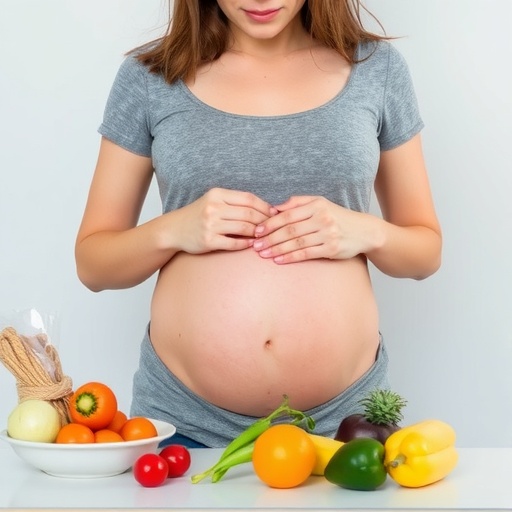
A groundbreaking study conducted by researchers at the University of North Carolina’s Gillings School of Global Public Health reveals that adherence to the U.S. Dietary Guidelines during pregnancy may significantly influence exposure to multiple environmental chemicals. Leveraging data from nearly 1,500 pregnant participants in the Environmental influences on Child Health Outcomes (ECHO) Cohort, this observational study provides compelling evidence that diet quality impacts chemical exposures, with nuanced effects across different classes of compounds.
Environmental chemicals, pervasive in food systems due to agricultural practices, processing methods, packaging materials, and cooking processes, pose considerable health risks during pregnancy. The ECHO research team measured over 100 chemicals in urine samples, spanning ten priority chemical classes including phthalates, pesticides, and endocrine disruptors. They then correlated these biomarker levels with participants’ diet quality, assessed by compliance with the 2020–2025 U.S. Dietary Guidelines for Americans.
Remarkably, outcomes showed that pregnant individuals adhering more closely to dietary recommendations – emphasizing lean proteins, whole grains, fruits, and vegetables, while limiting added sugars – exhibited approximately 13% lower urinary concentrations of certain phthalates. Phthalates are commonly found in plastic food packaging and are known endocrine disruptors, linked to adverse reproductive and developmental outcomes. This finding highlights diet as a modifiable factor to reduce exposure to specific industrial chemicals during critical developmental windows.
Conversely, the study uncovered a paradoxical increase in pesticide biomarkers among participants consuming greater quantities of fruits and vegetables, a cornerstone of a healthy pregnancy diet. These chemicals, frequently used in conventional agriculture, can persist on produce surfaces despite washing. This underscores the complexity of chemical exposure pathways, where foods beneficial for nutrition may concurrently introduce harmful agents.
Dr. Diana Pacyga, lead researcher, emphasizes that these insights advocate for nuanced dietary guidance. While current recommendations effectively support nutrient sufficiency and reduce exposure to many harmful chemicals, additional strategies such as selecting organic produce or rigorously washing fruits and vegetables could further mitigate pesticide intake without compromising diet quality.
The intersection of environmental toxicology and nutrition illuminated by this study opens new avenues for public health interventions tailored to pregnant populations. It suggests that expanding the scope of dietary guidelines to explicitly address chemical exposures could enhance maternal and fetal health outcomes. Dr. Jessie Buckley notes the urgent need for continued research to refine these recommendations and to explore other practical avenues for exposure reduction.
Published in the American Journal of Clinical Nutrition, this research reinforces the dual importance of diet quality in meeting nutritional needs and modulating chemical exposures during pregnancy. As the ECHO Consortium advances understanding of early environmental influences on child health, this study exemplifies how integrative approaches can inform guidelines that safeguard future generations.
Subject of Research: People
Article Title: Dietary guidelines adherence and pregnancy exposure to 10 classes of priority chemicals: an observational study in the Environmental influences on Child Health Outcomes Cohort
News Publication Date: 8-Jul-2026
Web References: https://echochildren.org/, https://www.dietaryguidelines.gov/, https://ajcn.nutrition.org/article/S0002-9165(26)00202-9/fulltext
References: DOI 10.1016/j.ajcnut.2026.101393
Image Credits: UNC Chapel Hill
Keywords: Pregnancy, Nutrition, Dietetics, Chemical pollution, Pesticides, Endocrine disruptors
Tags: dietary choices and chemical biomarkersECHO cohort study on pregnancy and chemical exposureendocrine disruptors and maternal healthenvironmental chemicals in foodfood packaging chemical risks for pregnant womenimpact of dietary guidelines on pregnant womeninfluence of food processing on chemical intakenutrient-rich diets and environmental toxin reductionpesticides exposure during pregnancyphthalates and reproductive healthPregnancy diet and chemical exposurereducing chemical exposure through healthy eating