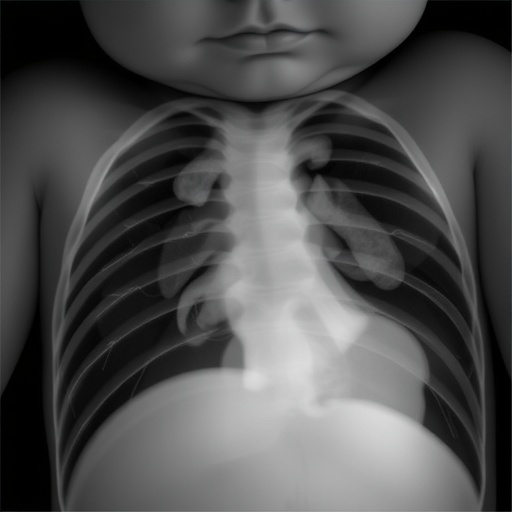
In a groundbreaking multicenter cohort study published in Pediatric Research on June 29, 2026, researchers led by Sendi, Martinez, and Kobaitri unveiled pivotal insights into alveolar capillary dysplasia with misalignment of pulmonary veins (ACD/MPV) in neonates. This rare congenital disorder remains one of the most lethal causes of neonatal respiratory failure, and despite advances in neonatal intensive care, its pathophysiology has remained elusive. The study represents the largest collective effort to date, pulling data from various specialized centers, which has allowed for a comprehensive characterization of the disease’s clinical, histological, and genetic spectrum.
ACD/MPV is a developmental disorder characterized by abnormal pulmonary vascular architecture—specifically, the misalignment of pulmonary veins and a paucity of alveolar capillaries. These anatomical deviations lead to profound pulmonary hypertension and hypoxemia immediately after birth. Historically, diagnosis relied primarily on post-mortem lung histology, severely limiting early identification and potential intervention. The study changes this paradigm by integrating advanced imaging modalities and genetic testing to enable earlier and more accurate diagnosis.
One of the study’s pivotal findings involved the elucidation of the precise histopathological mechanisms underlying ACD/MPV. The team meticulously analyzed lung biopsies from neonates with suspected disease, confirming the signature misalignment of small pulmonary veins adjacent to pulmonary arteries, a trait not found in typical pulmonary development. Additionally, they quantified the significant reduction in alveolar capillary density, which disrupts the delicate gas exchange interface essential for neonatal respiration. These histological markers now form the cornerstone of diagnostic criteria.
The genetic dimension of the study provides particularly exciting avenues for clinical translation. Using high-throughput sequencing technologies, the researchers uncovered novel pathogenic variants in FOXF1 and its enhancer regions—a gene known to regulate pulmonary vascular development during embryogenesis. The identification of these mutations, some of which had not been previously linked to ACD/MPV, offers a direct genetic hallmark that could facilitate prenatal diagnosis and genetic counseling for affected families.
Clinically, ACD/MPV presents a formidable challenge. Neonates often manifest severe, treatment-refractory pulmonary hypertension, leading to rapid decompensation. Conventional therapies, including inhaled nitric oxide and extracorporeal membrane oxygenation (ECMO), frequently fail to stabilize these infants. The study’s extensive clinical dataset highlights that early genetic screening, combined with prompt histological confirmation, could fundamentally alter management strategies. These findings emphasize the urgent need for the development of targeted therapies.
From a pathophysiological standpoint, the study provides a nuanced understanding of how misaligned pulmonary veins disrupt normal hemodynamics. Normally, pulmonary veins course independently through lung parenchyma to return oxygenated blood to the left atrium. In ACD/MPV, these veins run anomalously adjacent to the pulmonary arteries, leading to venous congestion and secondary vascular remodeling that culminates in irreversible pulmonary hypertension. Such insight is crucial for researchers designing novel interventional approaches.
The researchers also tackled the issue of disease heterogeneity. While most neonates with ACD/MPV experience fatal outcomes within the first month, a minority demonstrate a protracted clinical course. Intriguingly, the study correlates certain genetic variants with milder phenotypes, suggesting genotype–phenotype relationships that could predict prognosis. This discovery opens the door for more personalized care plans and nuanced counseling regarding life expectancy and treatment expectations.
Importantly, the collaborative effort unites pediatric pulmonologists, pathologists, geneticists, and neonatologists, representing a model for multidisciplinary approaches to rare pediatric diseases. Each center contributed vital case data that, when pooled, provided unprecedented statistical power and clinical insight. This collaborative design serves as a template for future research endeavors tackling similarly rare but lethal neonatal disorders.
On the technological frontier, the study explores the role of next-generation sequencing as a frontline diagnostic tool. Circulating fetal DNA assessment and rapid whole-exome sequencing postnatally emerged as promising diagnostic methodologies that circumvent the need for invasive lung biopsy. These minimally invasive approaches have the potential to revolutionize diagnosis, enabling clinicians to identify ACD/MPV quickly and implement supportive therapies or palliative care discussions earlier.
Furthermore, the authors discuss the implications for genetic counseling. Identification of de novo and inherited mutations in FOXF1 underscores the need to offer targeted counseling to families. Understanding mutation origin aids in recurrence risk assessment for subsequent pregnancies. Currently, genetic counseling is limited but the study’s findings pave the way for integrating molecular diagnostics into routine prenatal and postnatal care pathways.
The study also fuels hope for therapeutic innovation by illuminating developmental pathways. Given FOXF1’s critical role in lung vascular formation, future research may focus on gene therapy or molecular modulation to rectify aberrant vascular patterning. While such therapeutic strategies remain aspirational, mechanistic insights gained provide a solid foundation for translational research.
Moreover, the researchers advocate for the establishment of international registries to gather longitudinal clinical data. Long-term follow-up is needed to understand disease trajectory and outcomes in patients receiving different supportive measures. Continuous data accrual will assist in refining diagnostic thresholds and evaluating emerging therapies’ efficacy.
From an epidemiological perspective, the study estimates ACD/MPV incidence and reveals potential underdiagnosis due to lack of awareness and limited access to diagnostic resources. The authors call for heightened clinical vigilance when managing neonates with unexplained pulmonary hypertension, encouraging early genetic and histological assessment to avoid misclassification under more common diagnoses like persistent pulmonary hypertension of the newborn (PPHN).
In discussing limitations, the authors acknowledge that despite the study’s breadth, rare subtypes of ACD/MPV and overlapping pulmonary vascular disorders still present diagnostic challenges. They advocate for further multinational collaborations incorporating advanced imaging techniques such as micro-CT and MRI to capture subtle morphological variants.
Ultimately, this landmark study orchestrates a leap forward in understanding ACD/MPV’s complex biology, diagnosis, and clinical management. It stands as a testament to the power of collaborative research and multidisciplinary approaches trumping the insidious lethality of rare neonatal diseases. Neonatologists, pulmonologists, and geneticists now possess robust tools and knowledge that will save lives, transform care, and inspire novel treatments.
As the study garners international attention, the compelling data and clear clinical frameworks it offers may soon alter screening guidelines and therapeutic protocols worldwide. The dream that once seemed impossible—a timely diagnosis and effective treatment of alveolar capillary dysplasia with misalignment of pulmonary veins—is now closer than ever to becoming reality. This research embodies the relentless pursuit of innovation and compassion that defines modern pediatric medicine.
Subject of Research: Alveolar capillary dysplasia with misalignment of pulmonary veins (ACD/MPV) in neonates
Article Title: Alveolar capillary dysplasia with misalignment of pulmonary veins in neonates: a multicenter cohort study
Article References:
Sendi, P., Martinez, P., Kobaitri, K. et al. Alveolar capillary dysplasia with misalignment of pulmonary veins in neonates: a multicenter cohort study. Pediatr Res (2026). https://doi.org/10.1038/s41390-026-05265-0
Image Credits: AI Generated
DOI: 10.1038/s41390-026-05265-0
Keywords: ACD/MPV, alveolar capillary dysplasia, pulmonary veins, neonatal pulmonary hypertension, FOXF1 mutations, neonatal respiratory failure, genetic diagnosis, pediatric pulmonology, pulmonary vascular development
Tags: ACD/MPV pulmonary vascular disorderadvanced imaging in neonatal pulmonary disordersalveolar capillary dysplasia in neonatescongenital pulmonary vein misalignmentearly diagnosis of congenital lung disordersgenetic testing for neonatal lung diseaseshistopathology of ACD/MPVmulticenter cohort study neonatal diseasesneonatal hypoxemia diagnosisneonatal respiratory failure causespediatric respiratory researchpulmonary hypertension in newborns