In a groundbreaking development poised to reshape our understanding of viral infections during pregnancy, researchers at the University of Minnesota Medical School have embarked on an ambitious five-year project to unravel the complex interplay between the immune system and congenital cytomegalovirus (CMV) infection. This extensive study, backed by a significant $3.87 million R01 grant from the National Institutes of Health (NIH), is helmed by Dr. Mark Schleiss, a distinguished professor and pediatrician renowned for his expertise in infectious diseases. The research seeks to illuminate the molecular and immunological mechanisms that underlie the transmission of CMV from mother to fetus, ultimately aiming to pioneer novel strategies that could safeguard pregnancy outcomes and mitigate lifelong disabilities in affected children.
Congenital CMV infection stands as the foremost infectious cause of neurodevelopmental disabilities among children in the United States and across the globe. This ubiquitous virus possesses the insidious ability to cross the placental barrier during pregnancy, infiltrating the developing fetus and triggering a spectrum of serious health consequences. These consequences commonly include sensorineural hearing loss, cognitive impairments, and developmental delays that may persist throughout the individual’s life course. Despite its prevalence and devastating impact, public and clinical awareness of congenital CMV remains markedly insufficient, largely hindering early diagnosis and intervention efforts.
Dr. Schleiss emphasizes the urgent need for effective therapeutic and preventive measures to combat CMV infections in pregnant women and their newborns. His research builds upon a sophisticated laboratory model he initially developed more than three decades ago. This model uniquely facilitates the study of CMV’s modes of transmission and pathogenesis during pregnancy in a controlled setting, enabling detailed investigations into viral behavior and host immune responses. The wealth of historical data and methodological advancements accrued over this period provides an unparalleled foundation for this next chapter of translational research.
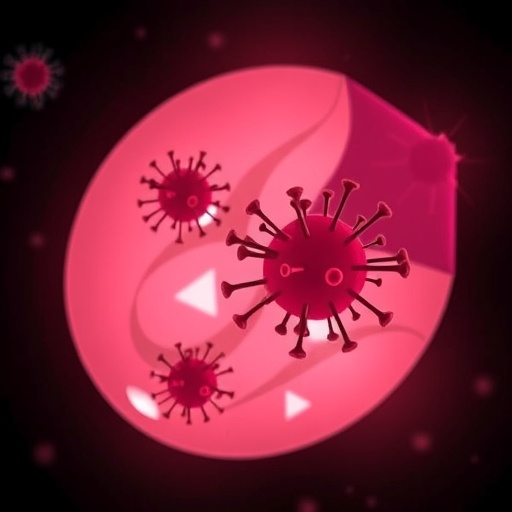
Central to the team’s inquiry is the quest to decode the molecular virology of CMV, particularly how specific viral proteins interact with the host immune system. By employing a preclinical strain of cytomegalovirus that closely mimics human infection, researchers aim to dissect the immunological checkpoints that either impede or permit viral spread from mother to fetus. Understanding these interactions at a granular level is critical for identifying biomarkers of susceptibility and resistance, which could be leveraged to develop targeted immunotherapies or prophylactic vaccines.
The immune response to CMV is notoriously complex, involving both innate and adaptive components that must be finely balanced to control viral replication without harming the developing fetus. Dr. Schleiss’ team is investigating the roles of various immune cells, including natural killer cells, T lymphocytes, and maternal antibodies, in modulating this delicate equilibrium. The goal is to unravel how these immune elements cooperate or falter in response to infection, shedding light on potential immune-based interventions that could enhance maternal-fetal defense mechanisms.
A pivotal aspect of this research involves delineating how CMV circumvents immune surveillance and establishes persistent infection within placental tissues. This viral evasion strategy is a formidable barrier to treatment, as it not only facilitates ongoing viral replication but also jeopardizes placental function, which is vital for sustaining fetal development. Insights gleaned from molecular and immunological studies will inform the design of novel agents capable of disrupting viral immune escape pathways, offering hope for therapeutic breakthroughs.
In parallel, the team is exploring the development and optimization of vaccines tailored to elicit robust and protective immune responses against CMV during pregnancy. Despite ongoing efforts in the vaccine field, no licensed CMV vaccine currently exists, primarily due to the virus’s complex biology and immune evasion tactics. By characterizing the immunodominant antigens and identifying correlates of protection in their model system, Dr. Schleiss and his colleagues aim to propel the creation of effective vaccines that could be administered preconception or during pregnancy to prevent congenital infection.
Moreover, the investigation addresses the challenge of translating laboratory findings into clinically viable interventions. The researchers are designing preclinical studies to evaluate the efficacy and safety of candidate therapies and vaccines, with an eye toward future clinical trials. This translational approach underscores the project’s commitment not only to advancing basic science but also to directly improving maternal and child health outcomes on a population scale.
The implications of this research extend beyond just CMV. The mechanisms and immunological principles uncovered have the potential to inform a broader understanding of congenital infections and fetal immune protection. Given that CMV serves as a prototypical model of a vertically transmitted virus with significant neurodevelopmental consequences, insights gained here may catalyze progress against other congenital pathogens, thereby contributing to global efforts in infectious disease prevention and perinatal care.
In sum, this pioneering five-year NIH-funded initiative spearheaded by Dr. Mark Schleiss represents a vital leap forward in the fight against congenital CMV infection. By integrating advanced molecular virology, immunology, and translational science, the University of Minnesota research team endeavors to uncover protective immune mechanisms, refine therapeutic strategies, and ultimately transform pregnancy care paradigms. Such efforts hold the promise of reducing the daunting burden of neurodevelopmental disabilities attributable to CMV, offering hope that future generations of children can thrive free from the lifelong challenges imposed by this silent yet pervasive virus.
Subject of Research: Immune mechanisms controlling congenital cytomegalovirus infection and development of preventive strategies during pregnancy.
Article Title: Unveiling Immune Defenses Against Congenital Cytomegalovirus: A Pathway to Safer Pregnancies and Healthier Children
News Publication Date: June 23, 2026
Web References:
– University of Minnesota Medical School News Release: https://med.umn.edu/bio/mark-r-schleiss
– National Institutes of Health (NIH) Grants Database
Keywords: congenital cytomegalovirus, CMV infection, immune system, pregnancy, fetal infection, neurodevelopmental disabilities, viral transmission, immunology, vaccine development, maternal-fetal immunity, viral pathogenesis, pediatric infectious diseases
Tags: cognitive impairments caused by congenital CMVcongenital cytomegalovirus transmission during pregnancyimmune response to congenital CMV infectionlifelong impacts of congenital viral infectionsmolecular mechanisms of CMV transmissionneurodevelopmental disabilities from CMVNIH funded CMV research projectpediatric infectious disease researchplacental barrier and viral transmissionsensorineural hearing loss in newbornsstrategies to prevent congenital CMVUniversity of Minnesota infectious disease studies