In a groundbreaking study published in the Journal of Perinatology, researchers have elucidated the critical impact of parental physical contact during therapeutic hypothermia on the outcomes of newborns afflicted with hypoxic-ischemic encephalopathy (HIE). This pioneering research explores a deeply intricate interplay between medical intervention and early sensory experience, redefining neonatal intensive care unit (NICU) protocols and potentially revolutionizing treatment standards for this vulnerable patient population.
HIE, a severe neurological condition caused by oxygen deprivation to the brain around the time of birth, often necessitates therapeutic hypothermia—a controlled reduction of the infant’s core body temperature to mitigate brain injury. Historically, therapeutic hypothermia has been the cornerstone of neuroprotective strategies, yet the psychosocial and developmental inputs during this rigorous treatment have remained largely unexplored until now. Nguyen et al. bring to light compelling evidence suggesting that the humanizing element of parental holding during this clinical intervention can significantly influence neonatal recovery trajectories.
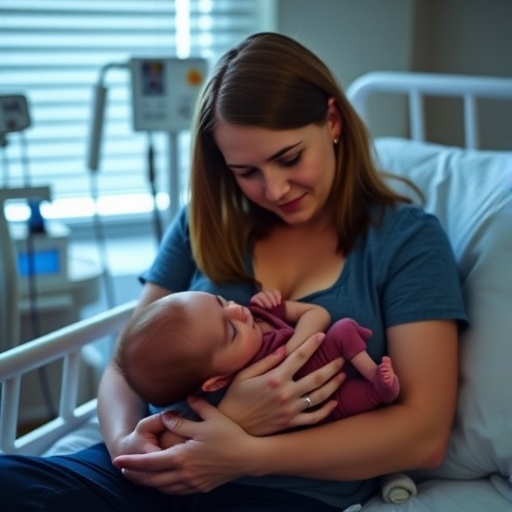
This study meticulously examined a cohort of neonates undergoing therapeutic hypothermia at leading NICUs, assessing the variance in neurodevelopmental and physiological outcomes relative to parental holding versus infants deprived of such contact. The data reveal a statistically robust association, with infants held by their parents during hypothermia exhibiting notably enhanced neurological responsiveness, improved autonomic stability, and a reduced duration of intensive care stay compared to their non-held counterparts.
At the mechanistic level, the researchers hypothesize that tactile stimulation derived from parental contact during hypothermia activates a cascade of neurobiological processes pivotal to brain repair and plasticity. This stimulation likely augments activation of the vagus nerve, modulating the release of neurotrophic factors and dampening inflammatory pathways known to exacerbate neuronal injury in HIE. Furthermore, the warmth and rhythm of parental touch may stabilize the infant’s physiological parameters, such as heart rate variability and oximetry readings, creating an optimized milieu for cellular recovery.
Neurophysiological assessments using advanced imaging modalities integrated into the study protocol substantiated the tangible benefits of parental holding. Infants who experienced skin-to-skin contact demonstrated favorable markers of cerebral perfusion and diminished edema in critical brain regions afflicted by ischemic insult. This finding challenges conventional NICU practices wherein physical separation during hypothermia was often standard to maintain stringent thermal control, highlighting a potent benefit of re-evaluating these protocols with a neurodevelopmentally informed lens.
Moreover, the psychological dimensions of parental presence and touch during such a precarious period cannot be overstated. Parental anxiety, stress, and depressive symptoms frequently surge in the NICU context, influencing caregiving capacity long-term. This study underscores that facilitating parental holding not only aids infants neurobiologically but may also mitigate parental psychological burden, fostering a healing dyad that extends well beyond initial hospital discharge.
The implications of these findings are vast, suggesting that NICUs worldwide should rethink previously sacrosanct barriers to parental access and physical contact during critical neonatal interventions. The integration of structured skin-to-skin programs during hypothermia could be a cost-effective, non-invasive adjunct to traditional neuroprotective modalities. By bridging scientific insight with compassionate care, this approach promises to improve survival rates and neurodevelopmental outcomes in an otherwise devastating condition.
Critically, the study’s design incorporated rigorous controls for confounding variables such as gestational age, degree of encephalopathy, and socioeconomic factors, enhancing the robustness and generalizability of the conclusions. The longitudinal follow-up planned by the research team will further delineate the sustained impact of early parental holding on cognitive, motor, and behavioral outcomes into childhood, a necessary dimension to fully appreciate the intervention’s efficacy.
This research also opens new avenues for exploring the neuroimmune axis during therapeutic hypothermia. The modulation of systemic inflammation by tactile input presents a fertile ground for future studies aimed at identifying biomarkers predictive of recovery and tailoring individualized therapeutic strategies combining physical and pharmacological interventions.
While the exact parameters of safe and effective parental holding during hypothermia require further delineation, this study advocates for immediate clinical reconsideration, encouraging NICU teams to design environments that facilitate parental proximity without compromising therapeutic efficacy. Innovations such as specialized cooling devices allowing thermal regulation alongside physical contact may soon become standard practice.
In sum, the work of Nguyen et al. delivers a profound reminder that even amid cutting-edge technological treatments, the fundamental human touch maintains irreplaceable power in neonatal care. Their findings urge medical communities to embrace a holistic treatment paradigm in which parental involvement is not ancillary but integral to the healing journey of infants suffering from hypoxic brain injury.
The intersection of neonatal neurology, developmental psychology, and critical care medicine showcased here exemplifies the transformative potential of interdisciplinary research in advancing outcomes. As these insights percolate through clinical guidelines and training programs, they promise to reshape neonatology’s approach to one of its most formidable challenges.
This paradigm shift not only breathes fresh hope into families grappling with HIE but also reaffirms the timeless therapeutic potency of human connection — a touch that transcends science to nurture life at its most fragile inception.
Subject of Research: The study investigates the association between parental holding during therapeutic hypothermia and clinical outcomes in infants diagnosed with hypoxic-ischemic encephalopathy.
Article Title: Association of parental holding during therapeutic hypothermia and NICU outcomes for infants with hypoxic-ischemic encephalopathy.
Article References:
Nguyen, T.T., Glass, H.C., Chan, N. et al. Association of parental holding during therapeutic hypothermia and NICU outcomes for infants with hypoxic-ischemic encephalopathy. J Perinatol (2026). https://doi.org/10.1038/s41372-026-02753-3
Image Credits: AI Generated
DOI: 22 June 2026
Tags: early intervention in neonatal brain injuryhypoxic-ischemic encephalopathy treatmentimpact of physical contact on newbornsimproving recovery in HIE infantsneonatal intensive care unit protocolsneonatal sensory stimulation effectsneurodevelopmental outcomes in HIENICU parental involvement benefitsparental holding during therapeutic hypothermiapsychosocial factors in neonatal caresensory experience in NICUtherapeutic hypothermia neuroprotection