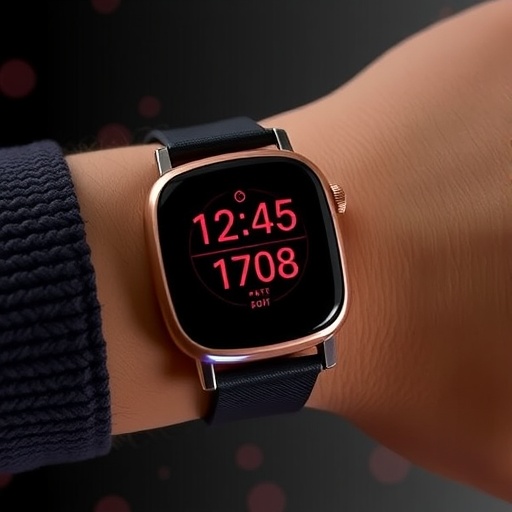
In a groundbreaking study published in JCI Insight, researchers at the Icahn School of Medicine at Mount Sinai have revealed promising evidence that wearable health monitoring devices can provide an early warning system for cytokine release syndrome (CRS), a critical and sometimes fatal complication arising from CAR-T cell therapy in multiple myeloma patients. This discovery not only has the potential to revolutionize the safety and accessibility of CAR-T treatments but also opens new avenues for outpatient management of this aggressive immunotherapy.
CAR-T therapy, or chimeric antigen receptor T-cell therapy, has emerged as one of the most potent weapons against relapsed or refractory multiple myeloma, a cancer characterized by the malignant proliferation of plasma cells within bone marrow. By genetically reprogramming a patient’s own T cells to recognize and obliterate cancerous cells, CAR-T therapy has achieved remarkable remission rates where conventional treatments often fail. However, the therapy is double-edged, as it can trigger CRS—an excessive immune response marked by the release of cytokines, leading to symptoms ranging from fever and hypotension to respiratory distress and multi-organ failure.
CRS represents a daunting hurdle in the clinical application of CAR-T treatments. Its unpredictable onset and rapid progression necessitate close hospital monitoring, often restricting therapy to inpatient settings and imposing significant burdens on patients and healthcare systems alike. Traditionally, CRS detection relies on intermittent nursing assessments and laboratory analyses, which might miss subtle early signs that herald the escalation of inflammation. To address this gap, the multidisciplinary team at Mount Sinai explored the utility of continuous physiological data collection through wearable sensors as a noninvasive, real-time surveillance method to identify the earliest manifestations of CRS.
The pilot study enrolled 30 individuals with multiple myeloma who were undergoing CAR-T therapy at The Mount Sinai Hospital. Each participant was equipped with a wearable device designed to monitor multiple vital parameters, including skin and axillary temperature, heart rate, blood oxygen saturation, respiratory rate, and physical activity. In parallel, blood samples were periodically collected to quantify circulating cytokine levels, shedding light on the molecular underpinnings of CRS pathogenesis. This integrative approach allowed the team to correlate fluctuations in wearable-derived data with biological markers of inflammation.
Among 25 patients whose data were fully analyzable, the wearable devices detected 18 out of 20 clinically diagnosed CRS episodes, identifying alarming physiological changes a median of seven hours before they were recognized by standard nursing evaluations. This temporal lead time is critically important as it could enable preemptive clinical interventions to mitigate severe complications. The continuous temperature measurements from the skin and underarm, in particular, emerged as a sensitive early indicator closely mirroring the changes in interferon gamma (IFN-γ), a key inflammatory cytokine implicated in CRS.
The correlation between wearable data and cytokine profiles not only validates the physiological signals captured by the devices but also promises to enhance predictive algorithms for CRS onset. Dr. Samir Parekh, senior corresponding author and Professor of Medicine at Mount Sinai, emphasized that while these findings are preliminary, they highlight the transformative potential of integrating wearable technology into cancer immunotherapy protocols. If these results are replicated in larger cohorts, wearable monitoring could facilitate safer administration of CAR-T outside hospitals, broadening patient access and alleviating the strain on medical facilities.
Another critical aspect underscored by the research is the patient-centric benefit of remote continuous monitoring. Early detection of CRS through wearables could minimize the severity of symptoms, reduce intensive care admissions, and improve overall patient comfort and quality of life by enabling timely outpatient interventions. Dr. Adriana Rossi, co-corresponding author, noted that the real-time insights afforded by wearable sensors equip clinicians with a dynamic view of immune system activity and enable a more precise and proactive therapeutic approach.
Furthermore, the integration of biologic markers such as cytokine profiling with wearable-derived physiological signals signifies a new frontier in personalized oncology care. Dr. Alessandro Laganà, a co-corresponding author and assistant professor specializing in genetics and genomic sciences, remarked that this multimodal monitoring approach could pave the way for “smarter” health technologies. These systems could eventually predict patient-specific toxicity risks, tailor therapeutic regimens, and ultimately optimize clinical outcomes in the era of precision medicine.
Despite these promising findings, the researchers caution against overinterpretation due to the study’s limitations, including its small sample size and single-center design. They advocate for extensive multicenter trials to validate the reliability, scalability, and cost-effectiveness of wearable monitoring in diverse patient populations and in outpatient care settings where early identification and management of CRS could vastly improve treatment safety.
This innovative research was generously supported by Bristol Myers Squibb and the Center of Excellence for Multiple Myeloma Philanthropic Fund, along with significant grants from the National Cancer Institute and the American Society of Hematology. The collaboration exemplifies the growing convergence between oncology, technology, and immunology—fields that, when integrated thoughtfully, hold the promise of reshaping cancer treatment paradigms.
As CAR-T therapies continue to expand their reach beyond hematologic malignancies into solid tumors and other refractory cancers, the ability to monitor and mitigate adverse immune effects swiftly will be paramount. Wearable technologies represent a compelling step toward real-time, personalized monitoring that can make these cutting-edge therapies more accessible and safer. This breakthrough also underscores the potential for digital health innovations to transform patient monitoring, offering hope for improved survival and enhanced quality of life among those battling cancer.
The convergence of continuous physiological monitoring with cytokine analysis thus emerges as a powerful tool to illuminate the complex immune landscapes in CAR-T therapy recipients. Moving forward, harnessing this synergy may unlock novel predictive models and intervention strategies, alleviating one of the most challenging barriers to the broader dissemination of life-saving immunotherapies. This seminal work lays the foundation for a new era of cancer care where wearable devices are integral to treatment precision and patient safety.
Subject of Research: People
Article Title: Detection of cytokine release syndrome using wearables and cytokine profiling following CAR-T therapy for myeloma
News Publication Date: 22-Jun-2026
Web References: doi.org/10.1172/jci.insight.203988
Keywords: Cytokine storm, Multiple myeloma, CAR-T therapy, Cytokine release syndrome, Wearable technology, Immunotherapy toxicity, Interferon gamma, Continuous monitoring, Cancer immunotherapy, Personalized medicine
Tags: advancements in cancer immunotherapyCAR-T therapy in multiple myelomaCAR-T-cell therapy safetycytokine release syndrome managementearly detection of cytokine release syndromeimmune response complications in cancer treatmentmitigating CAR-T therapy side effectsoutpatient monitoring for immunotherapyreal-time health monitoring for CRSremote patient monitoring for oncologywearable health monitoring deviceswearable technology in cancer care