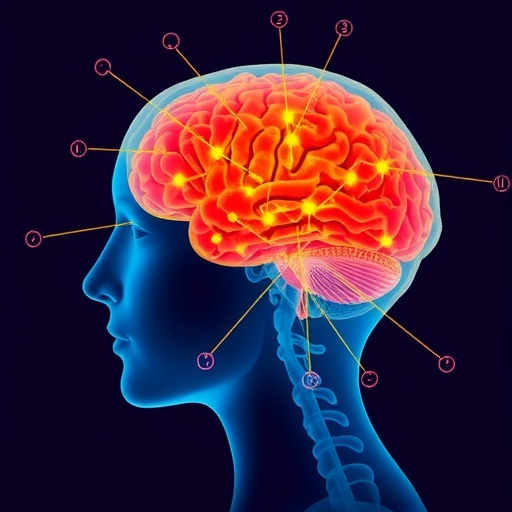
Alzheimer’s disease stands as the predominant cause of dementia affecting over seven million individuals in the United States alone. A critical yet often underappreciated component of this neurodegenerative disorder is Alzheimer’s-related psychosis (ARP), characterized by symptoms such as delusions and hallucinations. These manifestations can emerge at any point during the disease trajectory and profoundly exacerbate patient outcomes by accelerating cognitive decline, increasing caregiver burden, and precipitating earlier hospitalization and institutionalization.
The complexity of ARP lies not only in its clinical presentation but also in its profound impact on quality of life for both the affected individuals and their families. Delusions may take varied forms, often involving misinterpretations of reality that result in fear, suspicion, or distress. Hallucinations, similarly, can be vivid and compelling, further disrupting patients’ perception of the world and complicating care strategies. Despite its prevalence, ARP remains frequently underdiagnosed, partially due to overlapping symptoms with other aspects of Alzheimer’s and a general lack of awareness among caregivers and clinicians.
Addressing these neuropsychiatric symptoms demands a nuanced and comprehensive approach. Nonpharmacologic strategies have gained prominence as first-line interventions, emphasizing the identification of potential environmental or physiological triggers that may precipitate psychotic episodes. Tailored behavioral interventions that focus on reassurance, distraction, and environmental modification can mitigate distress without exposing patients to the risks associated with pharmacologic treatments. Such approaches necessitate a highly individualized care plan that considers the unique symptomatology and triggers for each patient.
When behavioral modifications prove insufficient, pharmacologic interventions may be cautiously employed, although no medications are currently approved specifically for ARP. Off-label use of antipsychotic drugs remains common, yet these agents carry significant safety concerns including increased mortality risk in elderly dementia patients. Clinical guidelines advocate for judicious dosing strategies, beginning with the lowest effective doses and implementing ongoing reassessment protocols to minimize adverse effects, with a strong emphasis on attempting to taper medications when feasible.
Recent advancements in clinical research have introduced investigational pharmacologic agents currently undergoing trials, aiming to provide safer and more effective treatment modalities tailored to the neurobiological mechanisms underpinning ARP. These novel compounds target specific neurotransmitter pathways and synaptic functions implicated in the genesis of psychotic symptoms associated with Alzheimer’s disease, potentially revolutionizing care paradigms if proven efficacious.
The multidimensional management of ARP necessitates interdisciplinary collaboration among neurologists, psychiatrists, gerontologists, nurses, and social workers. This team-based model ensures that medical, psychological, and social needs are concurrently addressed, promoting holistic care delivery that aligns with patient-centered values. Effective communication and shared decision-making with patients and caregivers remain foundational elements, empowering stakeholders to navigate complex treatment decisions and care plans in a collaborative manner.
Caregiver support emerges as an indispensable element within this care framework. Confronted with the challenges of managing delusions and hallucinations—sometimes involving distressing accusations or safety concerns—caregivers require education on behavioral strategies such as reassurance and redirection to alleviate symptom-related distress. Equipping caregivers with knowledge and psychosocial resources not only improves patient outcomes but also alleviates caregiver strain and sustains the caregiving relationship over time.
The societal implications of Alzheimer’s-related psychosis are profound. Increased healthcare utilization through hospitalizations and the need for early institutional care impose substantial economic burdens on healthcare systems and families alike. Consequently, proactive management strategies that delay these adverse events hold promise for reducing the overall societal footprint of Alzheimer’s disease while enhancing the lived experience of affected individuals.
Clinical perspectives drawn from experts underscore the intricate balance required in managing ARP. Persistence of symptoms, the severity of psychotic episodes, and the degree of distress experienced by patients and caregivers guide therapeutic decision-making. An individualized, flexible approach is paramount, recognizing the heterogeneity of Alzheimer’s disease progression and psychosis presentation across the patient population.
Emerging research underscores a growing emphasis on early identification and intervention for ARP. Advanced diagnostic tools—ranging from neuroimaging biomarkers to neuropsychological assessments—are being refined to detect subtle changes in brain function that precede psychosis, enabling timely therapeutic engagement. Such innovations hold transformative potential for altering disease trajectories and improving long-term outcomes.
The evolving landscape of ARP also calls for ongoing education and training initiatives targeting healthcare professionals. Enhancing awareness, diagnostic acumen, and management skills among clinicians is vital to bridging current gaps in care delivery. Integrating evidence-based knowledge from the latest research into clinical practice guidelines will foster improved standardization and quality of care for this vulnerable population.
Ultimately, the management of Alzheimer’s-related psychosis represents a complex intersection of neurobiology, clinical medicine, caregiving, and societal challenges. By advancing interdisciplinary collaboration, prioritizing individualized care plans, and fostering innovation in therapeutics and diagnostics, the scientific and medical communities move closer to mitigating the profound impacts of psychosis within Alzheimer’s disease, offering hope for improved quality of life for millions of patients and their families.
Subject of Research: Alzheimer’s-Related Psychosis in Alzheimer’s Disease and Comprehensive Care Approaches
Article Title: Alzheimer’s-Related Psychosis: Interdisciplinary Perspectives for Understanding and Responding to Delusions and Hallucinations
Web References: https://gsaenrich.geron.org/behavioral-and-psychological-symptoms-of-dementia
Keywords: Alzheimer’s disease, Alzheimer’s-related psychosis, dementia, delusions, hallucinations, neurodegenerative diseases, gerontology, psychosis management, behavioral interventions, pharmacologic treatments, caregiver support, interdisciplinary care
Tags: Alzheimer’s disease dementia managementAlzheimer’s-related psychosis treatmentbehavioral strategies for Alzheimer’s psychosiscaregiver burden in Alzheimer’s psychosisearly hospitalization in dementia careevidence-based approaches for ARPhallucinations in Alzheimer’s diseasemanaging delusions in dementia patientsneuropsychiatric symptoms of Alzheimer’snonpharmacologic interventions for Alzheimer’s psychosisquality of life in Alzheimer’s diseaseunderdiagnosis of Alzheimer’s psychosis