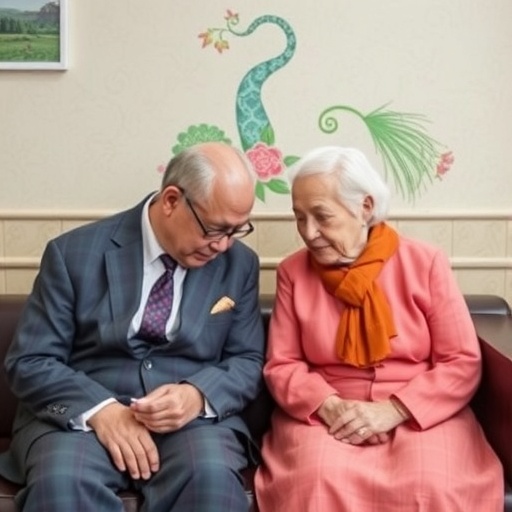
In the evolving landscape of geriatric healthcare, addressing sexual health among older adults has emerged as a critical yet often overlooked component. Recent research spearheaded by Zheng, Duan, Xiao, and their colleagues offers an illuminating exploration into the cultural constructs shaping sexual health perceptions among Chinese older adults, underscoring far-reaching implications for nursing practice and healthcare delivery. This scoping review, published in BMC Geriatrics in 2026, delves deep into the multifaceted cultural dynamics influencing sexuality during advanced age within Chinese society, marking a significant advance in gerontological and nursing research.
Sexual health remains a vital aspect of overall well-being throughout the human life span, but it is frequently marginalized in the discourse surrounding aging populations. Particularly within Chinese cultural contexts, widespread societal norms, traditional values, and demographic shifts exert profound influences on how older adults conceptualize and engage with sexuality. The authors meticulously gathered and synthesized a broad spectrum of studies and qualitative data to unpack these intricacies, aiming to bridge critical knowledge gaps and inform culturally competent nursing interventions.
One of the cornerstone observations of this review is the deeply entrenched Confucian values that govern attitudes towards sex and aging in China. These values emphasize filial piety, modesty, and restraint, fostering a cultural milieu where open discussions about sexuality are often taboo, especially for the elderly. Consequently, many older adults may experience feelings of shame, stigma, or suppression related to their sexual desires and needs. This cultural reticence not only hampers individual psychological well-being but also poses significant challenges for healthcare providers attempting to address sexual health issues proactively.
Moreover, the authors highlight how traditional gender roles compound these complexities. Older Chinese women, in particular, face layered challenges due to longstanding patriarchal norms that tend to silence female sexual agency while valorizing male virility. This asymmetry results in a paucity of healthcare resources tailored to women’s sexual health needs in later life, thus perpetuating inequities and fostering unmet healthcare demands. Elderly men, though socially permitted greater sexual expression, nonetheless confront their own set of cultural pressures and health-related concerns, such as erectile dysfunction and associated stigma.
Physiological changes accompanying aging intersect with cultural perceptions, shaping the sexual health trajectories of older adults in nuanced ways. The research underscores the dual challenge of biological decline—manifested in reduced libido, hormonal changes, and increased prevalence of chronic illnesses—and cultural inhibition that often discourages the pursuit of sexual satisfaction among seniors. This dynamic interplay calls for tailored nursing strategies that acknowledge both the corporeal and psychosocial dimensions of sexual health within this demographic.
Importantly, this review also discusses the role of healthcare systems and practitioners in either perpetuating or dismantling the barriers to sexual health care for older adults. Nursing professionals are positioned uniquely to serve as catalysts for change, armed with the potential to foster open communication, provide education, and advocate for policies that normalize sexual health as a legitimate component of elderly care. However, the current lack of adequate training and cultural sensitivity hinders nurses’ ability to engage effectively with this patient population.
The scoping review meticulously surveys interventions and educational programs designed to enhance nursing competence in addressing geriatric sexual health, revealing a growing but insufficient body of evidence. Educational curriculums that integrate cultural competence, sexuality, and aging are sporadically implemented and often lack depth. The authors argue that systemic reforms are necessary, including the incorporation of comprehensive modules on sexual health into nursing education and continuous professional development programs. These reforms would empower nurses to challenge societal taboos and cultivate empathetic, patient-centered care.
Another critical element explored is the influence of urbanization and modernization on sexual health concepts among Chinese older adults. Rapid socioeconomic transformation has gradually shifted traditional perceptions, fostering more openness and diversified attitudes towards sexuality. Younger generations are driving changes that trickle into elderly populations, creating intergenerational dynamics that shape expectations and experiences of sexual health in contemporary China. These shifts present both opportunities and tensions for healthcare providers aiming to align interventions with evolving cultural contexts.
The authors also emphasize the psychological implications of sexual health disregard in older adults. Neglecting this vital facet can exacerbate depression, anxiety, and reduced life satisfaction, diminishing quality of life. For many older people, sexual intimacy remains a meaningful source of emotional connection and self-esteem. This reality challenges outdated notions that sexual activity is irrelevant or inappropriate beyond a certain age, calling for a paradigm shift in public health messaging and clinical practice.
Policy frameworks emerge as pivotal mediators in advancing sexual health for aging populations. The review critiques existing healthcare policies in China, pointing out their insufficient focus on sexual health services tailored for older adults. It advocates for the integration of sexual health assessments into routine geriatric care, supported by policies that allocate resources, safeguard patient confidentiality, and promote health literacy. Creating such an enabling environment is fundamental for dismantling cultural barriers and optimizing health outcomes.
Telehealth and digital interventions have been identified as innovative avenues to reach and educate older adults regarding sexual health. Leveraging technology can circumvent social stigma by providing discreet, accessible platforms for information dissemination and counseling. Yet, the digital divide remains a significant obstacle, with many older Chinese adults facing challenges in digital literacy and access. The authors call for targeted strategies to enhance technology adoption, ensuring inclusivity in emerging telehealth models.
Family dynamics and social support structures are additional layers influencing sexual health perceptions and realities among the elderly. The presence or absence of supportive relationships profoundly affects willingness to discuss or seek care for sexual health issues. The review details how family-centric cultural norms may either enable intimate communication or reinforce privacy and silence, depending on individual circumstances. This nuanced understanding underscores the need for sensitive, contextually informed nursing approaches that navigate familial influences.
From a methodological perspective, the scoping review provides a comprehensive overview of available literature, identifying gaps and methodological limitations in existing studies. The majority of research relies heavily on qualitative designs, retrospective analyses, and small sample sizes, which, while rich in context, limit generalizability. Future research trajectories proposed include longitudinal studies, quantitative assessments, and cross-cultural comparisons that can deepen insights and guide evidence-based practice.
In conclusion, the work of Zheng and colleagues represents a groundbreaking stride in integrating cultural considerations into the discourse on sexual health among Chinese older adults. Their critical synthesis calls for a reconceptualization of nursing roles, educational reforms, policy advocacy, and innovative care models that collectively honor and address the sexual health needs of this growing demographic. As populations worldwide age, the findings resonate beyond China, offering transferable lessons on culturally competent geriatric healthcare.
This research heralds a new chapter where sexual health is recognized not merely as a physical domain but as a holistic construct intimately connected to cultural identity, psychosocial well-being, and human dignity. Nursing professionals, healthcare policymakers, and society at large stand at a crossroads; embracing the insights from this review can catalyze transformative progress, fostering environments where older adults maintain sexual health, autonomy, and quality of life well into their later years.
Article References:
Zheng, X., Duan, Y., Xiao, X. et al. Cultural factors influencing the sexual health concepts of Chinese older adults and implications for nursing work: a scoping review.
BMC Geriatr (2026). https://doi.org/10.1186/s12877-026-07540-5
Image Credits: AI Generated
Tags: Chinese elders and sexualityConfucian values and agingcultural competence in geriatric carecultural influences on sexual healthdemographic impact on elder sexual healthgeriatric sexual health perceptionshealthcare delivery for Chinese older adultsnursing interventions for elderly sexualityqualitative research on elder sexualitysexual health in older Chinese adultssexual well-being in aging populationstraditional Chinese societal norms