A Breakthrough in Combating DHDDS-Related Neurodegenerative Disease: How Mini-Brains Illuminate Pathways to a Vitamin B3 Therapy
In a groundbreaking advancement within neurogenetics, researchers have uncovered promising therapeutic avenues for a devastating congenital condition triggered by mutations in the DHDDS gene. This rare disorder, manifesting early in childhood, leads to progressive neurodegeneration characterized by movement tremors, seizures, and cognitive decline—symptoms reminiscent of Parkinson’s disease but strikingly resistant to conventional interventions. Until recently, this grim prognosis left families with no recourse but to endure steady deterioration. However, a multinational scientific collaboration involving teams from The Netherlands and the United States has leveraged cutting-edge mini-brain organoid technology to unearth the disease mechanism and reveal a potential remedy in the form of a natural derivative of vitamin B3.
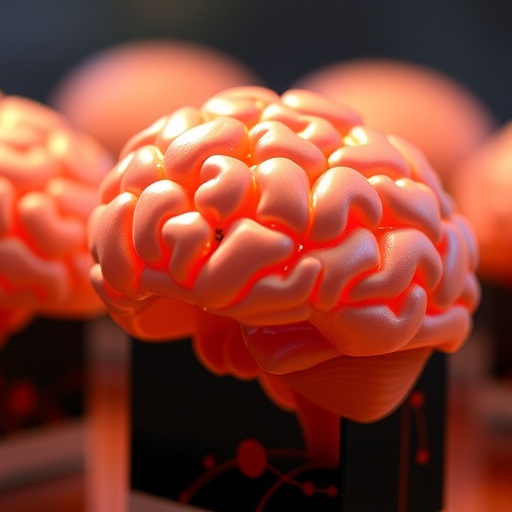
At the heart of this investigation are the patient-specific cerebral organoids—tiny, self-organizing clusters of brain tissue generated in vitro from patients’ skin or blood cells reprogrammed to induced pluripotent stem cells. These “mini-brains” faithfully recapitulate critical cellular and molecular hallmarks of the disease, allowing researchers unparalleled access to observe neurodegenerative progression on a microscopic level without invasive procedures. The significance of this lies in the fact that the DHDDS enzyme normally facilitates the synthesis of dolichol, a crucial lipid anchor for N-linked glycosylation. This post-translational modification is essential for the proper folding and function of innumerable glycoproteins across neural tissues.
The study, presented by Dr. Irena Muffels at the European Society of Human Genetics annual meeting, revealed that mutant DHDDS leads to a profound reduction in dolichol production in the mini-brains. This deficiency disrupts glycan assembly—complex sugar structures attached to proteins—thereby compromising the functional integrity of proteins pivotal for brain homeostasis. An intriguing and pathologically relevant secondary effect was uncovered: excessive accumulation of cholesterol within astrocytes. As central nervous system glial cells tasked with metabolic and neuroprotective roles, astrocytes overloaded with cholesterol experience mitochondrial dysfunction, inviting a cascade of energy deficits that plausibly drive the relentless clinical progression observed in affected children.
Confronted with this mechanistic insight, the researchers pursued a novel therapeutic angle by screening a library of FDA-approved vitamins and drugs in collaboration with Perlara Biotech. Their breakthrough came in identifying nicotinamide mononucleotide (NMN), a naturally occurring metabolite of vitamin B3, as capable of rescuing a yeast model deficient in functional DHDDS. Subsequent validation in patient-derived mini-brains showcased remarkable improvements in cellular biomarkers and functional readouts of neurodegeneration.
These improvements translated into observable clinical benefits. Intriguingly, some families began administering NMN supplements prior to the completion of experimental trials and reported reductions in tremor severity, increased energy levels, and improved motor control within weeks. Dr. Muffels recounted these real-world clinical anecdotes with cautious optimism, emphasizing the importance of rigorous testing yet acknowledging the early signs of efficacy in this otherwise untreatable disease.
NMN is not a novel compound in the therapeutic landscape. Previous studies documented its capacity to enhance mitochondrial function in muscle cells from patients with mitochondrial diseases and to alleviate symptom progression in Parkinson’s disease cohorts. NMN’s ability to boost cellular NAD+ levels—an essential coenzyme in redox reactions and energy metabolism—explains its versatile benefits across diseases characterized by mitochondrial compromise. These properties make NMN an attractive candidate not only for DHDDS-related disorders but potentially other genetic metabolic diseases compromising brain energy homeostasis.
Encouraged by these findings, the team initiated a formal international clinical trial, supported by CDG UK, aiming to assess the long-term impact of NMN supplementation in DHDDS patients. This longitudinal study will monitor twelve patients over a year, with standardized evaluations every three months. The global nature of the trial underscores both the rarity of the disease and the collaborative resolve necessary to tackle it, leveraging networks between families, clinicians, researchers, and charities.
The creation of mini-brains from patient-derived induced pluripotent stem cells proved instrumental in this endeavor. These organoids contain diverse neural populations, including neurons and astrocytes, providing a physiologically relevant platform to dissect disease pathology and rapidly test therapeutics. Observations of progressive structural degeneration, mitochondrial impairment, and protein glycosylation deficits within the mini-brains aligned closely with patient phenotypes, validating the model’s translational utility.
Furthermore, this story epitomizes how patient advocacy can accelerate scientific discovery. Driven by desperation and hope, parents bypassed inertia in rare disease research to champion this innovative approach. Such grassroots initiatives are crucial in opening doors for pharmaceutical engagement, often hindered by the economic challenges of developing therapies for ultra-rare disorders.
Professor Alexandre Reymond, chair of the conference and an expert uninvolved with the study, hailed the research as a paradigm for harnessing rapid genetic diagnosis to catalyze new treatments for rare diseases. He highlighted the exceptional synergy of families, academia, and grassroots charities in overcoming traditional hurdles to drug development, delivering a potentially affordable and safe treatment option that could transform lives.
While these advances mark an exciting dawn, challenges remain. Determining the optimal NMN dosing, long-term safety profiles, and mechanistic nuances across diverse patient genotypes warrants further study. Nonetheless, this work paves the way for novel precision medicine approaches that transcend symptom management, aiming instead to arrest underlying pathological mechanisms at the molecular level.
In conclusion, the integration of cutting-edge stem cell technology, meticulous biochemical elucidation, and innovative therapeutics has revitalized hope for children afflicted with DHDDS-related neurodegenerative disease. As research progresses and clinical trials yield definitive data, NMN supplementation may soon shift from experimental to standard care, offering a lifeline to families who previously faced an inexorable decline. This landmark study underscores the transformative potential of merging patient-derived models with metabolic therapies to rewrite the trajectory of rare genetic disorders affecting the brain.
Subject of Research:
Neurodegenerative disease caused by DHDDS gene mutations and therapeutic potential of nicotinamide mononucleotide (NMN).
Article Title:
Mini-Brain Models Unlock Vitamin B3 Therapy for Rare DHDDS Neurodegeneration
News Publication Date:
Not specified; presented at the annual European Society of Human Genetics conference.
Web References:
Not provided in the original content.
References:
Not provided in the original content.
Image Credits:
Not provided in the original content.
Keywords:
DHDDS gene, neurodegeneration, mini-brain organoids, nicotinamide mononucleotide, vitamin B3, congenital neurodegenerative diseases, dolichol deficiency, glycosylation defects, cholesterol accumulation, mitochondrial dysfunction, rare genetic disorders, patient-derived models
Tags: childhood movement disorders researchcongenital neurodegeneration in childrenDHDDS gene mutation therapydolichol synthesis and neurogeneticsinduced pluripotent stem cell researchmini-brain organoids for neurodegenerative diseasemultinational neurogenetics collaborationParkinson’s-like pediatric neurodegenerationpatient-specific cerebral organoidsstem cell modeling of rare diseasestherapeutic advances in DHDDS-related disordersvitamin B3 derivative treatment