• HOME
  • NEWS
  • EXPLORE
    • CAREER
      • Companies
      • Jobs
    • EVENTS
    • iGEM
      • News
      • Team
    • PHOTOS
    • VIDEO
    • WIKI
  • BLOG
  • COMMUNITY
    • FACEBOOK
    • INSTAGRAM
    • TWITTER
Sunday, May 17, 2026
BIOENGINEER.ORG
No Result
View All Result
  • Login
  • HOME
  • NEWS
  • EXPLORE
    • CAREER
      • Companies
      • Jobs
        • Lecturer
        • PhD Studentship
        • Postdoc
        • Research Assistant
    • EVENTS
    • iGEM
      • News
      • Team
    • PHOTOS
    • VIDEO
    • WIKI
  • BLOG
  • COMMUNITY
    • FACEBOOK
    • INSTAGRAM
    • TWITTER
  • HOME
  • NEWS
  • EXPLORE
    • CAREER
      • Companies
      • Jobs
        • Lecturer
        • PhD Studentship
        • Postdoc
        • Research Assistant
    • EVENTS
    • iGEM
      • News
      • Team
    • PHOTOS
    • VIDEO
    • WIKI
  • BLOG
  • COMMUNITY
    • FACEBOOK
    • INSTAGRAM
    • TWITTER
No Result
View All Result
Bioengineer.org
No Result
View All Result
Home NEWS Science News Biology

Identify and manage raspberry, blackberry pests with new industry reference

Bioengineer by Bioengineer
June 2, 2017
in Biology
Reading Time: 2 mins read
0
Share on FacebookShare on TwitterShare on LinkedinShare on RedditShare on Telegram
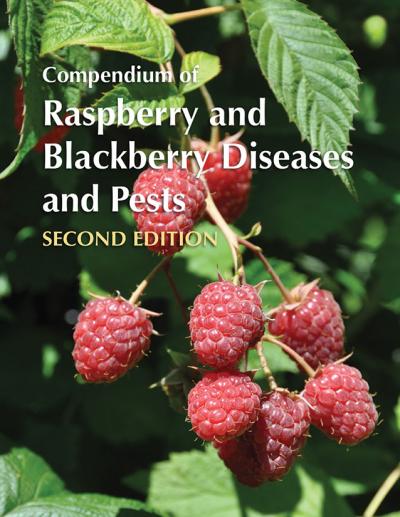
IMAGE

Credit: Courtesy of The American Phytopathological Society

St. Paul, Minn. (June 2017)– Raspberries and blackberries are favorites among consumers–but unfortunately also favorites for plant diseases, bugs, and other pests.

A new resource from APS PRESS, the Compendium of Raspberry and Blackberry Diseases and Pests, Second Edition, helps ensure more berries make it into the mouths of consumers.

This comprehensive up-to-date industry reference helps users quickly identify and manage raspberry and blackberry diseases, insect pests, and abiotic orders with more than 200 high-quality images for diagnosis and practical management guidelines.

Significantly larger than the first edition, Compendium of Raspberry and Blackberry Diseases and Pests, Second Edition greatly expands its coverage of the crop. The book is filled with revised and updated disease information and management guidelines for traditional production systems, but it also covers issues that occur in the newer organic and high-tunnel production. Its scope also geographically expands of cover the world's raspberry and blackberry production regions. Plus, it covers new diseases and viruses that have been identified since the first edition. In total, this latest edition has expanded by more than more than 50 pages, and nearly all other information has been revised and updated.

Each section of this comprehensive book includes information on symptoms, causal organisms, distribution, diagnostic features or detection methods, and management strategies.

  • Bacterial, fungal, and viral diseases
  • Insect and mite pests
  • Abiotic disorders, such as herbicide injury and environmental stressors
  • Diseases caused by an alga
  • Diseases caused by a phytoplasma

Also included are two new sections on the use and effects of cultural practices, as well as the development of healthy planting materials in the nursery/greenhouse industry.

The Compendium of Raspberry and Blackberry Diseases and Pests, Second Edition is ideal for commercial growing operations, nurseries, crop consultants, extension educators, diagnosticians, plant pathologists, entomologists, horticulturists, regulators, and gardeners.

###

Visit http://www.shopapspress.org to learn more about the Compendium of Raspberry and Blackberry Diseases and Pests, Second Edition and other important crop health titles from APS PRESS.

Book Specifications and Data

©2017; 8.5" × 11" softcover; 175 pages; 184 color images; 24 black-and-white images; 2 pounds; ISBN 978-0-89054-569-0

This book is published by The American Phytopathological Society (APS) and may be purchased for $189 plus S&H from APS PRESS. Bulk discounts are available for diagnosticians, field representatives, state and county extension, farm managers, and other professionals.

Media Contact

Phil Bogdan
[email protected]
651-994-3859

http://www.apsnet.org

############

Story Source: Materials provided by Scienmag

Share12Tweet8Share2ShareShareShare2

Related Posts

Uncovering C. elegans Immunity via Genetic Screens — Biology

Uncovering C. elegans Immunity via Genetic Screens

May 16, 2026
Single mother must adapt swiftly — the survival of her colony depends on it — Biology

Single mother must adapt swiftly — the survival of her colony depends on it

May 15, 2026

Why Are Nearly Everyone Right-Handed? It Might Be Linked to How We Learned to Walk

May 15, 2026

Excessive Neuronal Activity Initiates Severe Autoimmune Brain Disorder

May 15, 2026
Please login to join discussion

POPULAR NEWS

  • Research Indicates Potential Connection Between Prenatal Medication Exposure and Elevated Autism Risk

    844 shares
    Share 338 Tweet 211
  • New Study Reveals Plants Can Detect the Sound of Rain

    730 shares
    Share 291 Tweet 182
  • Salmonella Haem Blocks Macrophages, Boosts Infection

    62 shares
    Share 25 Tweet 16
  • Breastmilk Balances E. coli and Beneficial Bacteria in Infant Gut Microbiomes

    58 shares
    Share 23 Tweet 15

About

We bring you the latest biotechnology news from best research centers and universities around the world. Check our website.

Follow us

Recent News

Age Discrimination Affects Healthcare Use in India

Lavandula-Zn(II) Hybrid Shields Steel from Corrosion

Targeted Radiotherapy Extends Control of Early-Stage Breast Cancer Spread

Subscribe to Blog via Email

Enter your email address to subscribe to this blog and receive notifications of new posts by email.

Join 82 other subscribers
  • Contact Us

Bioengineer.org © Copyright 2023 All Rights Reserved.

Welcome Back!

Login to your account below

Forgotten Password?

Retrieve your password

Please enter your username or email address to reset your password.

Log In
No Result
View All Result
  • Homepages
    • Home Page 1
    • Home Page 2
  • News
  • National
  • Business
  • Health
  • Lifestyle
  • Science

Bioengineer.org © Copyright 2023 All Rights Reserved.