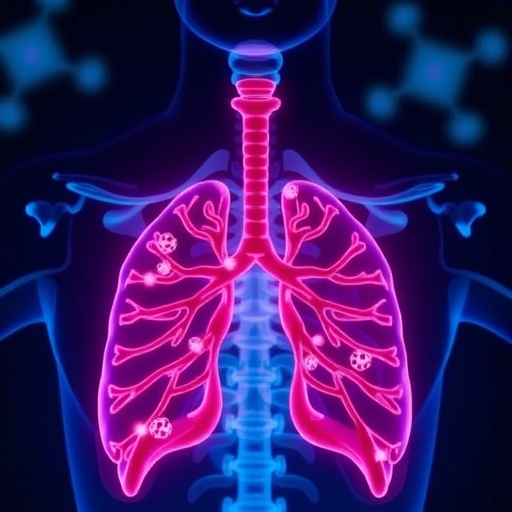
In a groundbreaking study unveiled recently, researchers have illuminated the complex interplay between influenza virus infections and mycobacterial infections, revealing how coinfection profoundly disrupts the immune system’s capacity to manage mycobacterial pathogens. This study, conducted using a novel human challenge model, offers a revelatory glimpse into why patients suffering from concurrent influenza and mycobacterial infections, such as tuberculosis, may experience exacerbated disease outcomes. By dissecting immune responses at a cellular and molecular level, the researchers chart a path towards improved therapeutic strategies for co-infected individuals, who represent a critical yet underexplored demographic in infectious disease research.
The investigation centers on the delicate balance of the immune system when it faces dual pathogenic threats. Typically, the immune system employs distinct yet overlapping mechanisms to contain viral and bacterial agents. Influenza viruses and mycobacteria, however, elicit divergent immune responses—viral infections often trigger type I interferons that can modulate the immune landscape, whereas mycobacteria stimulate robust type II interferon responses crucial for controlling bacterial replication. This study rigorously explores how influenza-induced interferons inadvertently undermine the immune pathways essential for effective mycobacterial control.
Employing a controlled human infection model, the team introduced mycobacterial agents followed by influenza virus to healthy volunteers under stringent ethical oversight. This approach represents a significant leap forward in infectious disease modeling, as it allows for dynamic observation of infection kinetics and immune responses in situ, contrasted with purely animal or in vitro systems. The findings demonstrate that influenza coinfection markedly diminishes the host’s ability to contain mycobacteria, with viral infection precipitating an immunological environment that favors bacterial persistence and proliferation.
At the cellular level, the study highlights alterations in macrophage function, key immune cells responsible for engulfing and destroying mycobacteria. Influenza infection was shown to impair macrophage activation states and cytokine production profiles, notably decreasing the release of critical mediators such as TNF-alpha and interferon-gamma that are essential for granuloma formation—the structured immune response that walls off mycobacteria. This attenuation of macrophage functionality creates a permissive niche for mycobacterial survival, a finding with profound implications for understanding tuberculosis pathogenesis in influenza-affected populations.
In addition to macrophage dysfunction, the research elucidates shifts in the broader immune milieu. The influenza virus triggers a systemic surge in type I interferons, which although antiviral, paradoxically inhibit mycobacteria-targeted immune components. This includes suppression of T helper 1 (Th1) cells, which orchestrate the cellular immunity vital for bacterial eradication. The study’s comprehensive immunophenotyping reveals a reduction in Th1 cell numbers and activity during coinfection, concomitant with an increase in regulatory T cells, which dampen immune responses further contributing to mycobacterial containment failure.
Molecular analyses uncovered that influenza infection instigates the upregulation of immune checkpoint molecules such as PD-1 on T cells, signaling a state of functional exhaustion that hinders effective immune surveillance and response to bacterial antigens. The exhausted T cell phenotype weakens the immunopathological control normally exercised over mycobacteria, allowing unchecked bacterial replication and dissemination. These findings provide a mechanistic foundation for the observed clinical exacerbations of tuberculosis episodes during influenza outbreaks.
Beyond immune modulation, the researchers probed the transcriptomic landscape of coinfected hosts, identifying a distinctive gene expression signature. Genes involved in antiviral defense were prominently expressed, overshadowing the transcriptional programs dedicated to antibacterial responses. This skewed gene expression underscores the competitive immune prioritization during coinfection, where resources are diverted towards viral containment at the expense of bacterial control. The authors propose that therapeutic interventions targeting the restoration of balanced immune responses may prove efficacious in managing such coinfections.
The human challenge model further permitted exploration of the temporal dynamics of coinfection. Influenza’s influence exerted its most deleterious impact during the early phases of mycobacterial infection when innate immune mechanisms predominate. Delayed adaptive immune responses compounded by viral-induced immune suppression culminate in a pronounced failure to establish early bacterial control. This temporal insight provides critical windows for intervention, emphasizing the need for timely antiviral therapies in at-risk populations.
Clinically, this research offers explanatory power for epidemiological observations linking influenza epidemics with spikes in tuberculosis incidence and mortality. The detailed immunological mechanisms unveiled underscore the necessity of integrated disease management strategies, especially in regions burdened by both influenza and mycobacterial diseases. Vaccination programs and antiviral deployment could be tailored to not only reduce influenza morbidity but also indirectly mitigate tuberculosis progression by preserving immune competency.
The study also raises pertinent questions about coadministration of vaccines and therapies. For instance, it suggests caution in administering live attenuated influenza vaccines to persons with latent mycobacterial infections, as transient immune modulation might risk bacterial reactivation. Conversely, it invigorates interest in combined vaccination strategies that enhance both antiviral and antibacterial immunity synergistically, a frontier ripe for future research and development.
Potential limitations are recognized, including the controlled model’s inability to capture the full heterogeneity of natural infections and diverse host genetic backgrounds. However, the precise experimental manipulation and sampling afforded by the human challenge model provide unparalleled resolution into coinfection pathophysiology, setting a new gold standard for future mechanistic studies.
Moving forward, this research lays a foundation for exploring adjunct therapies aiming to modulate interferon signaling pathways selectively. Small molecule inhibitors or monoclonal antibodies targeting type I interferon receptors could hold promise in reversing influenza-induced immune suppression of mycobacterial control. Additionally, identifying biomarkers indicative of immune exhaustion could stratify patients at heightened risk, guiding personalized therapeutic approaches.
In sum, the study led by Broderick, Powell, Nichols, and colleagues marks a pivotal advance in understanding the immunological crosstalk during influenza and mycobacterial coinfections. By bringing the conversation into the human immune context, it transcends previous preclinical models, offering actionable insights with the potential to reduce the global burden of these intersecting infectious diseases. The implications reverberate from molecular immunology to public health policy, underscoring the multidisciplinary approaches required to tackle complex infectious disease syndemics in the twenty-first century.
Subject of Research: Interaction between influenza virus and mycobacterial infection and its impact on the immune response in a human challenge model.
Article Title: Influenza coinfection inhibits control of mycobacterial infection in a human challenge model.
Article References:
Broderick, C.M., Powell, O., Nichols, S. et al. Influenza coinfection inhibits control of mycobacterial infection in a human challenge model. Nat Commun 17, 4884 (2026). https://doi.org/10.1038/s41467-026-72363-2
Image Credits: AI Generated
DOI: https://doi.org/10.1038/s41467-026-72363-2
Tags: challenges in managing coinfected patientshuman challenge models in infectious disease researchimmune response mechanisms in coinfectionsimmune system disruption by viral and bacterial pathogensimpact of flu on tuberculosis disease progressioninfluenza and tuberculosis coinfectionmolecular immune pathways in coinfectionmycobacterial replication and immune modulationtherapeutic strategies for flu and tuberculosis coinfectiontype I interferon effects on tuberculosistype II interferon role in mycobacterial controlviral-bacterial interaction in respiratory infections