• HOME
  • NEWS
  • EXPLORE
    • CAREER
      • Companies
      • Jobs
    • EVENTS
    • iGEM
      • News
      • Team
    • PHOTOS
    • VIDEO
    • WIKI
  • BLOG
  • COMMUNITY
    • FACEBOOK
    • INSTAGRAM
    • TWITTER
Sunday, May 17, 2026
BIOENGINEER.ORG
No Result
View All Result
  • Login
  • HOME
  • NEWS
  • EXPLORE
    • CAREER
      • Companies
      • Jobs
        • Lecturer
        • PhD Studentship
        • Postdoc
        • Research Assistant
    • EVENTS
    • iGEM
      • News
      • Team
    • PHOTOS
    • VIDEO
    • WIKI
  • BLOG
  • COMMUNITY
    • FACEBOOK
    • INSTAGRAM
    • TWITTER
  • HOME
  • NEWS
  • EXPLORE
    • CAREER
      • Companies
      • Jobs
        • Lecturer
        • PhD Studentship
        • Postdoc
        • Research Assistant
    • EVENTS
    • iGEM
      • News
      • Team
    • PHOTOS
    • VIDEO
    • WIKI
  • BLOG
  • COMMUNITY
    • FACEBOOK
    • INSTAGRAM
    • TWITTER
No Result
View All Result
Bioengineer.org
No Result
View All Result
Home NEWS Science News Health

Telehealth reduces wait time, improves care for children with autism living in remote areas

Bioengineer by Bioengineer
June 1, 2017
in Health
Reading Time: 2 mins read
0
Share on FacebookShare on TwitterShare on LinkedinShare on RedditShare on Telegram
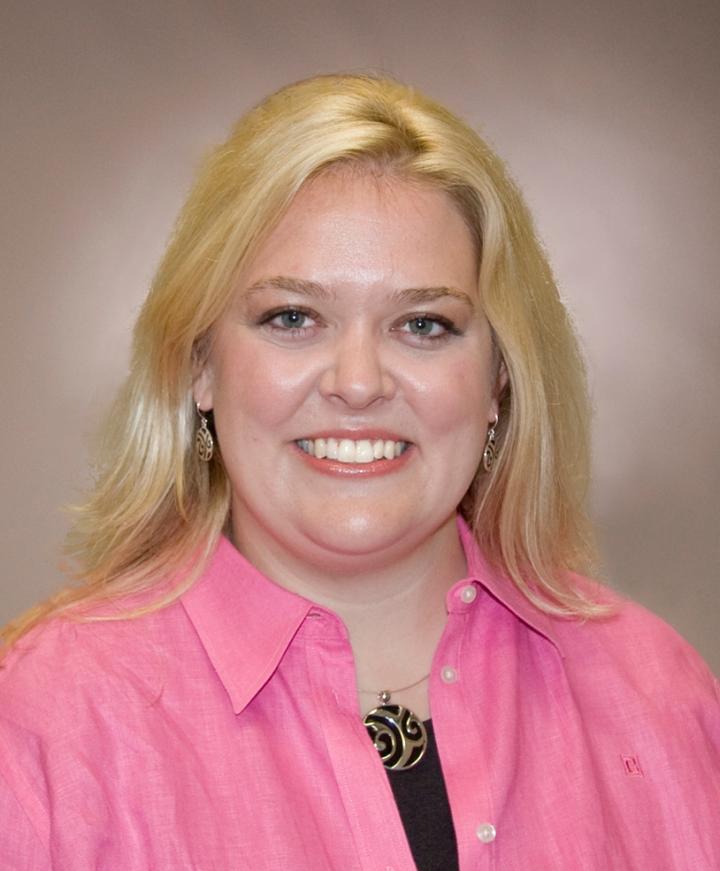
IMAGE

Credit: MU News Bureau

COLUMBIA, Mo. – Long wait times have been a persistent issue for families waiting to see an autism specialist, with waits often exceeding a year. Additionally, children with autism living in rural areas have added costs associated with traveling long distances for health care. To address these issues, ECHO Autism, a University of Missouri program, has been successfully training primary care providers to diagnose and manage autism spectrum disorders. Now, Kristin Sohl, associate professor of child health and the director of ECHO Autism, is preparing to expand the program with ECHO Autism partner sites serving Alabama, Alaska and under-served Navajo communities in New Mexico and Arizona. ECHO Autism also is set to expand globally through partner sites in Kenya. In the past year, Sohl has conducted autism specific trainings for ECHO Uruguay.

"Since the initial studies of ECHO Autism, nearly 250 health providers have received training on best-practice care," Sohl said. "The program effectively increases the capacity for health care in underserved communities, which means that families can get the answers they need without traveling or waiting to see a specialist."

Launched in March 2015, ECHO Autism is a partnership between the MU Thompson Center for Autism and Neurodevelopmental Disorders, MU Health, and the Missouri Telehealth Network Show-Me ECHO program. ECHO Autism clinics are conducted using high-quality, secure video conferencing technology to connect participating primary care clinics to a panel of experts.

Initial studies of the program have found that participating primary care providers demonstrated significant improvements in confidence across all sectors of health care for children with autism, including screening and identification, assessment and treatment of medical and psychiatric conditions, and knowledge of and referral to available resources.

"The success we have seen in Missouri and in other areas where ECHO Autism has been replicated means that this model can work in even more remote areas," Sohl said. "Expanding the program from Africa to Alaska will help families around the world."

Micah Mazurek, associate professor of health psychology in the School of Health Professions, and Rachel Brown, professor of clinical psychiatry in the MU School of Medicine, co-authored the recently published paper, "ECHO Autism: using technology and mentorship to bridge gaps, increase access to care, and bring best practice autism care to primary care," which was featured in Clinical Pediatrics. ECHO Autism is modeled after Project ECHO at the University of New Mexico.

###

The program has received support from the Health Resources and Services Administration (HRSA) of the U.S. Department of Health and Human Services, the state-funded Missouri Telehealth Network, Autism Speaks Autism Treatment Network, Leda J. Sears Charitable Trust and WellCare Innovation Institute.

Media Contact

Sheena Rice
[email protected]
573-882-8353
@mizzounews

http://www.missouri.edu

############

Story Source: Materials provided by Scienmag

Share12Tweet8Share2ShareShareShare2

Related Posts

Intrinsic Capacity, Resilience, Frailty in Stroke Recovery

May 17, 2026

Physical Resilience Linked to Aging Views in Chinese Elders

May 17, 2026

Tau T205 Phosphorylation Controls Memory and Engrams

May 17, 2026

Phocaeicola dorei Eases Liver Fibrosis via Efferocytosis

May 17, 2026
Please login to join discussion

POPULAR NEWS

  • Research Indicates Potential Connection Between Prenatal Medication Exposure and Elevated Autism Risk

    844 shares
    Share 338 Tweet 211
  • New Study Reveals Plants Can Detect the Sound of Rain

    730 shares
    Share 291 Tweet 182
  • Salmonella Haem Blocks Macrophages, Boosts Infection

    62 shares
    Share 25 Tweet 16
  • Breastmilk Balances E. coli and Beneficial Bacteria in Infant Gut Microbiomes

    58 shares
    Share 23 Tweet 15

About

We bring you the latest biotechnology news from best research centers and universities around the world. Check our website.

Follow us

Recent News

Intrinsic Capacity, Resilience, Frailty in Stroke Recovery

Seed Traits Key to Rare vs. Common Astragalus

Noncanonical Sulfur Metabolism, Immunity Altered in Down Syndrome

Subscribe to Blog via Email

Success! An email was just sent to confirm your subscription. Please find the email now and click 'Confirm' to start subscribing.

Join 82 other subscribers
  • Contact Us

Bioengineer.org © Copyright 2023 All Rights Reserved.

Welcome Back!

Login to your account below

Forgotten Password?

Retrieve your password

Please enter your username or email address to reset your password.

Log In
No Result
View All Result
  • Homepages
    • Home Page 1
    • Home Page 2
  • News
  • National
  • Business
  • Health
  • Lifestyle
  • Science

Bioengineer.org © Copyright 2023 All Rights Reserved.