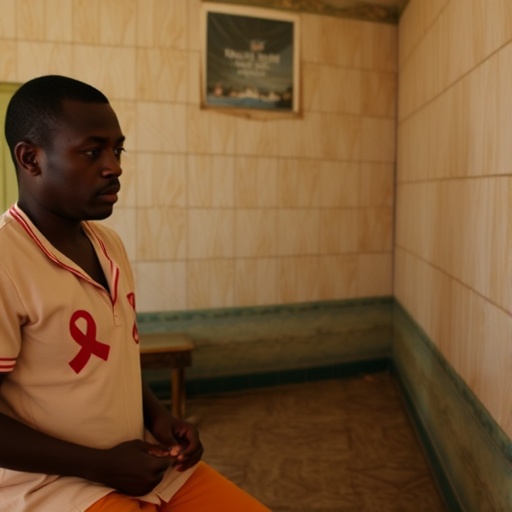
In the fight against HIV, understanding not just the prevalence of the virus but also the landscape of prevention and care services is crucial. A groundbreaking study led by researchers at the University of Mississippi introduces a sophisticated county-level HIV prevention gap index aimed specifically at the Deep South — a region grappling with the highest rates of new HIV infections in the United States. This innovative tool leverages publicly available proxy indicators to scrutinize disparities between HIV burden and access to critical health services, revealing regions where the epidemic is exacerbated by inadequate infrastructure.
The Deep South remains a pivotal battleground in the ongoing struggle against HIV, accounting for nearly half of all new cases nationally. Structural determinants such as widespread poverty, insufficient healthcare access, systemic stigma, and entrenched social inequalities amplify the impact of the virus here. The research team’s index functions as a nuanced scorecard, balancing the number of people living with HIV against the availability and strength of existing prevention and treatment systems. This dual lens marks a significant departure from analyses that focus solely on infection rates without assessing the service capacity essential to combat them.
Precious Edet, an instructional assistant professor of public health involved in the study, emphasizes the tool’s unique ability to pinpoint counties where prevention services fall short relative to the scale of local HIV needs. “Our approach reveals not only where HIV is most prevalent but critically where prevention and care resources fail to meet this high demand,” Edet explains. Such insights foster targeted, data-driven policy planning and resource allocation, essential for states like Mississippi, which faces the third-highest rate of new HIV infections nationwide.
Alongside Edet, assistant professor Ruaa Al Juboori highlights the practical applications of the index. She notes that a high score on the prevention gap index doesn’t imply community failure but rather signals a mismatch between the local epidemic’s severity and the strength of healthcare responses. This perspective reframes the conversation around HIV outcomes in the South, shifting emphasis from individual responsibility toward systemic and infrastructural deficiencies that impede effective intervention strategies.
By mapping 877 counties throughout the Southern United States, the researchers uncovered alarming trends. Over 220 counties exhibited high HIV prevalence coupled with relatively weak prevention and treatment measures. These “high gap” counties also correlated strongly with demographic factors, including a substantial percentage of Black residents, lower median incomes, and reduced educational attainment. Such intersections expose the compounded vulnerabilities faced by marginalized communities in accessing lifesaving HIV services.
Brandon Nabors, a postdoctoral research associate with the University of Mississippi’s Department of Public Health, underscores the real-world consequences of these gaps. Residents in high-gap areas frequently encounter extended travel times to reach clinics, delayed diagnoses due to limited testing availability, and interruptions in ongoing care. These barriers not only hinder individual health outcomes but also facilitate continued HIV transmission, perpetuating cycles of infection and disparity.
The index’s emphasis on systemic challenges rather than individual behaviors champions a more equitable public health approach. It lays bare how poverty, racial inequities, and rural isolation converge to create structural barriers that undercut HIV prevention and care efficacy. Recognizing these multifaceted obstacles is essential for designing robust, locally informed interventions capable of reducing infection rates and improving life quality for those affected.
For public health officials, the prevention gap index serves as a strategic planning instrument to prioritize counties most in need of enhanced services. By identifying geographic and demographic patterns where prevention and care infrastructures are insufficient, the index guides the efficient deployment of educational initiatives, testing programs, treatment accessibility, and support services. This targeted approach is imperative in states like Mississippi, where systemic health disparities demand focused and culturally competent interventions.
The researchers particularly note the Mississippi Delta as a critical region where HIV prevalence intersects with socioeconomic disadvantage, making it a priority zone for innovative healthcare delivery models. Expanding community-based and mobile HIV services stands out as a practical recommendation to improve access in rural and underserved areas. These measures promise to bridge the gap between existing service capacities and escalating needs, ultimately mitigating the epidemic’s regional impact.
This county-level prevention gap index represents a significant advancement in public health analytics. By integrating epidemiological data with resource availability metrics, it offers a dynamic picture of the HIV epidemic’s operational landscape in one of America’s most affected and underserved regions. The method holds promise for replication across other health challenges marked by similar disparities, emphasizing the critical importance of aligning health services with localized disease burdens.
Furthermore, the study’s use of publicly accessible data sources underscores the value of transparency and open data in addressing public health crises. This approach enables continuous monitoring and updates to the index, facilitating adaptive strategies as epidemic dynamics evolve. It also encourages stakeholder engagement by providing a common, evidence-based framework to advocate for resources and policy changes aligned with documented needs.
In conclusion, the University of Mississippi-led research introduces a potent new instrument for combating HIV in the Deep South. Its prevention gap index not only illuminates where the epidemic’s greatest challenges lie but also empowers policymakers, healthcare providers, and communities to course-correct with precision and purpose. This level of analytical rigor and practical applicability is essential to stemming HIV’s toll and moving closer to ending the epidemic in one of the nation’s most affected regions.
Subject of Research: HIV prevention and care service disparities in the US Deep South
Article Title: A county-level HIV prevention gap index in the US Deep South using publicly available proxy indicators
Web References:
American HIV Epidemic Analysis Dashboard
HIV.gov statistics
Mississippi HIV Data
Image Credits: Graphic by Cole Russell/University Marketing and Communications
Keywords:
Human immunodeficiency virus, HIV prevention, public health, healthcare disparities, Deep South, epidemiology, healthcare infrastructure, mobile health services, rural health, health equity, structural determinants, HIV treatment
Tags: county-level HIV prevention gap indexhealthcare access and HIV treatmentHIV care disparities in southern USHIV epidemic in MississippiHIV prevention gaps in the Deep SouthHIV service infrastructure challengesnew HIV infection rates in Deep Southpoverty impact on HIV carepublic health strategies for HIVsocial inequalities and HIV riskstigma and HIV preventionstructural determinants of HIV infection