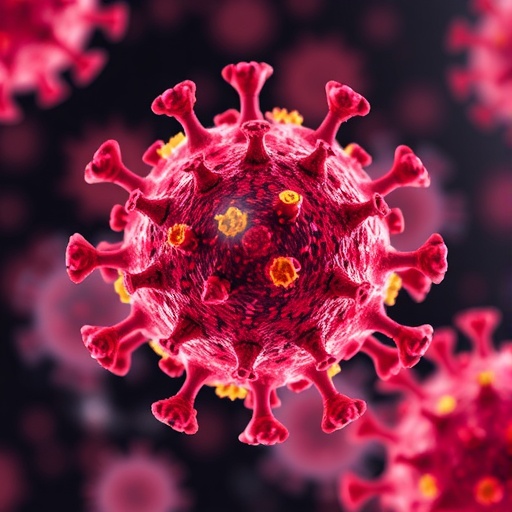
In a groundbreaking advance that could redefine our approach to combating viral pathogens, researchers at the La Jolla Institute for Immunology (LJI) have elucidated the mechanisms by which human T cells exhibit cross-reactivity against members of the paramyxovirus family, including notorious viruses such as measles and Nipah. This discovery offers a promising blueprint for developing vaccines and therapies with broad-spectrum efficacy against multiple related viruses, addressing a critical vulnerability in global infectious disease preparedness.
Paramyxoviruses represent a diverse group of viruses responsible for several significant human diseases, with measles virus commanding attention due to its highly contagious nature and resurgence amid falling vaccination rates. Concurrently, Nipah virus, transmitted from bats and characterized by devastatingly high mortality rates, continues to pose an ominous threat in regions of Southeast Asia. The pressing need for versatile immunological defenses against these pathogens propels the importance of identifying immune responses capable of recognizing conserved viral elements shared across this ancient viral lineage.
T lymphocytes, particularly CD4+ T cells, orchestrate tailored immune responses by discerning and targeting specific epitopes—molecular fragments presented on infected cells. Typically, these epitopes are unique, ensuring precise immunity against individual viruses. However, the LJI team discovered a subset of T cells that recognize conserved epitopes shared between measles and Nipah viruses, revealing a remarkable breadth of immune recognition that transcends species barriers within the paramyxovirus family.
This pioneering study involved extensive mapping of T cell epitopes on both measles and Nipah viruses, a challenge accentuated by Nipah’s rarity in human populations and consequent lack of prior immune priming among subjects. Utilizing blood samples from individuals vaccinated with the MMR vaccine—a standard immunization protecting against measles, mumps, and rubella—the scientists detected T cells adept not only at combating measles but also at cross-reacting with Nipah virus epitopes, particularly within the viral fusion (“F”) protein domain.
The viral fusion protein is instrumental in mediating the entry of paramyxoviruses into host cells, a function critical enough to maintain evolutionary conservation across species. Targeting such a conserved functional element may explain why some T cells can effectively recognize multiple paramyxoviruses, offering a unified immunological front. This insight suggests that vaccines designed to amplify T cell responses against conserved fusion protein epitopes might confer protection beyond the vaccine’s immediate target virus.
This discovery holds profound implications for vaccine strategy, particularly in the context of emerging infectious diseases where the specific causative virus may be unknown or rapidly evolving. Traditional vaccines stimulating immunity against a single virus strain or species may fall short when confronted with related yet antigenically distinct pathogens. By contrast, vaccination approaches eliciting cross-reactive T cell responses could provide a versatile shield, an immune “Swiss Army knife” capable of confronting the paramyxovirus family at large.
The researchers underscore that T cell cross-reactivity does not merely symbolize immunological coincidence but a strategic opportunity. Their findings open possibilities that even existing vaccines, such as the measles component of MMR, might afford partial immunity against Nipah virus during outbreaks when no Nipah-specific vaccine exists. This cross-protection, while not likely to be absolute, could reduce disease severity, granting valuable time for the deployment of targeted therapeutics.
Previously, this LJI research group had unveiled similar cross-reactive T cell phenomena among coronaviruses and arenaviruses, reinforcing a growing paradigm in immunology: T cells can bridge immunity across related viral families by recognizing conserved epitopes. These insights catalyze a shift towards next-generation vaccines and immunotherapies that prioritize epitope conservation and immune breadth, rather than narrow strain-specific efficacy.
The study’s methodology involved deep immunological profiling and epitope mapping facilitated by state-of-the-art experimental techniques, examining CD4+ T cell responses extracted from vaccinated individuals. Such precise characterization of T cell specificity informs both our understanding of viral immunopathogenesis and the rational design of immunogens capable of eliciting cross-protective immunity.
This research was conducted with support from critical funding agencies, reflecting its potential impact on public health. The National Institute of Allergy and Infectious Diseases, alongside the Coalition for Epidemic Preparedness Innovations, recognized the value of exploring immune cross-reactivity as a foundational element in pandemic preparedness.
Looking forward, the La Jolla team aspires to refine vaccines incorporating these conserved epitopes, potentially streamlining clinical pipelines to produce versatile countermeasures against future paramyxovirus outbreaks. As Dr. Alessandro Sette, the study lead, articulated, the ability to activate such cross-reactive T cells represents a crucial frontline defense when facing an unpredictable viral adversary.
In sum, this study reframes our approach to vaccine development against viral families by leveraging the immune system’s inherent capacity for cross-recognition. The ability of human T cells to identify shared viral features amidst the diversity of paramyxoviruses illuminates a path toward broad-spectrum vaccines and therapies that could dramatically improve our resilience against emerging and re-emerging infectious diseases.
Subject of Research: Cells
Article Title: Comprehensive mapping of human CD4+ T cell epitopes for Nipah and measles as prototype Paramyxoviruses
News Publication Date: 2 June 2026
Web References:
La Jolla Institute for Immunology Center for Vaccine Innovation: https://www.lji.org/research/research-centers/center-for-vaccine-innovation/
Coalition for Epidemic Preparedness Innovations – The Paramyxoviruses: https://cepi.net/paramyxoviruses
References:
Sette A., Grifoni A., et al. (2026). Comprehensive mapping of human CD4+ T cell epitopes for Nipah and measles as prototype Paramyxoviruses. Cell Reports Medicine, DOI: 10.1016/j.xcrm.2026.102838
Image Credits: La Jolla Institute for Immunology
Keywords: Viral infections, Paramyxoviruses, Measles, Nipah virus, T cell cross-reactivity, Immune response, Vaccine development, Pandemic preparedness, Immune epitope mapping, Adaptive immunity, Fusion protein, Immunology
Tags: broad-spectrum vaccine developmentCD4+ T cell immunity mechanismsconserved viral epitopes in paramyxovirusescross-protective T cell responsesimmunological defenses against measles and Nipahmeasles virus immune responseNipah virus T cell recognitionnovel antiviral therapeutic strategiespandemic preparedness for paramyxovirusesparamyxovirus family infectionsT cell cross-reactivity against paramyxovirusesviral pathogen immune targeting