• HOME
  • NEWS
  • EXPLORE
    • CAREER
      • Companies
      • Jobs
    • EVENTS
    • iGEM
      • News
      • Team
    • PHOTOS
    • VIDEO
    • WIKI
  • BLOG
  • COMMUNITY
    • FACEBOOK
    • INSTAGRAM
    • TWITTER
Saturday, February 7, 2026
BIOENGINEER.ORG
No Result
View All Result
  • Login
  • HOME
  • NEWS
  • EXPLORE
    • CAREER
      • Companies
      • Jobs
        • Lecturer
        • PhD Studentship
        • Postdoc
        • Research Assistant
    • EVENTS
    • iGEM
      • News
      • Team
    • PHOTOS
    • VIDEO
    • WIKI
  • BLOG
  • COMMUNITY
    • FACEBOOK
    • INSTAGRAM
    • TWITTER
  • HOME
  • NEWS
  • EXPLORE
    • CAREER
      • Companies
      • Jobs
        • Lecturer
        • PhD Studentship
        • Postdoc
        • Research Assistant
    • EVENTS
    • iGEM
      • News
      • Team
    • PHOTOS
    • VIDEO
    • WIKI
  • BLOG
  • COMMUNITY
    • FACEBOOK
    • INSTAGRAM
    • TWITTER
No Result
View All Result
Bioengineer.org
No Result
View All Result
Home NEWS Science News Biology

Study highlights formation of beachrock in resisting climate-induced sea level rises

Bioengineer by Bioengineer
May 31, 2017
in Biology
Reading Time: 2 mins read
0
Share on FacebookShare on TwitterShare on LinkedinShare on RedditShare on Telegram
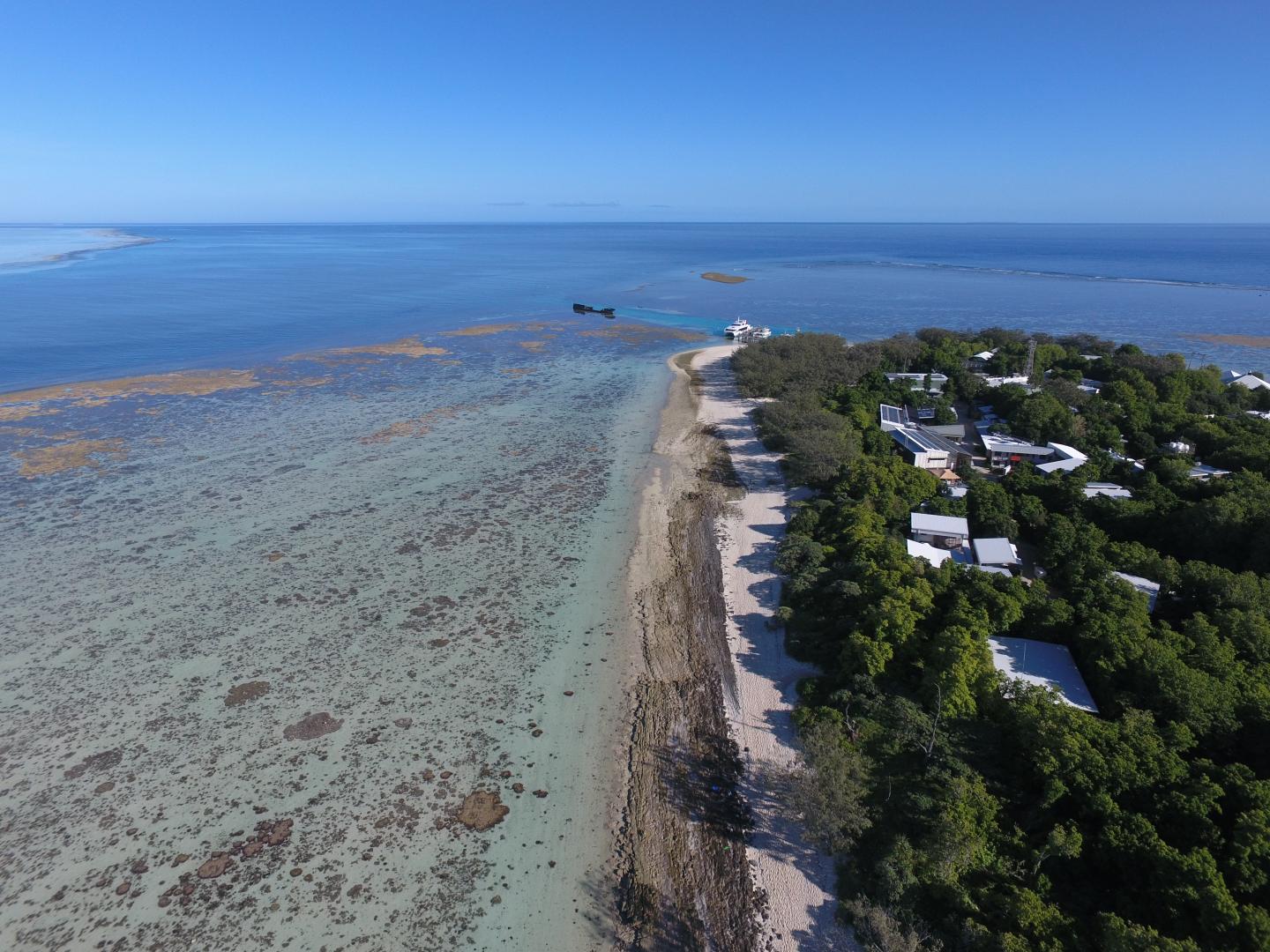
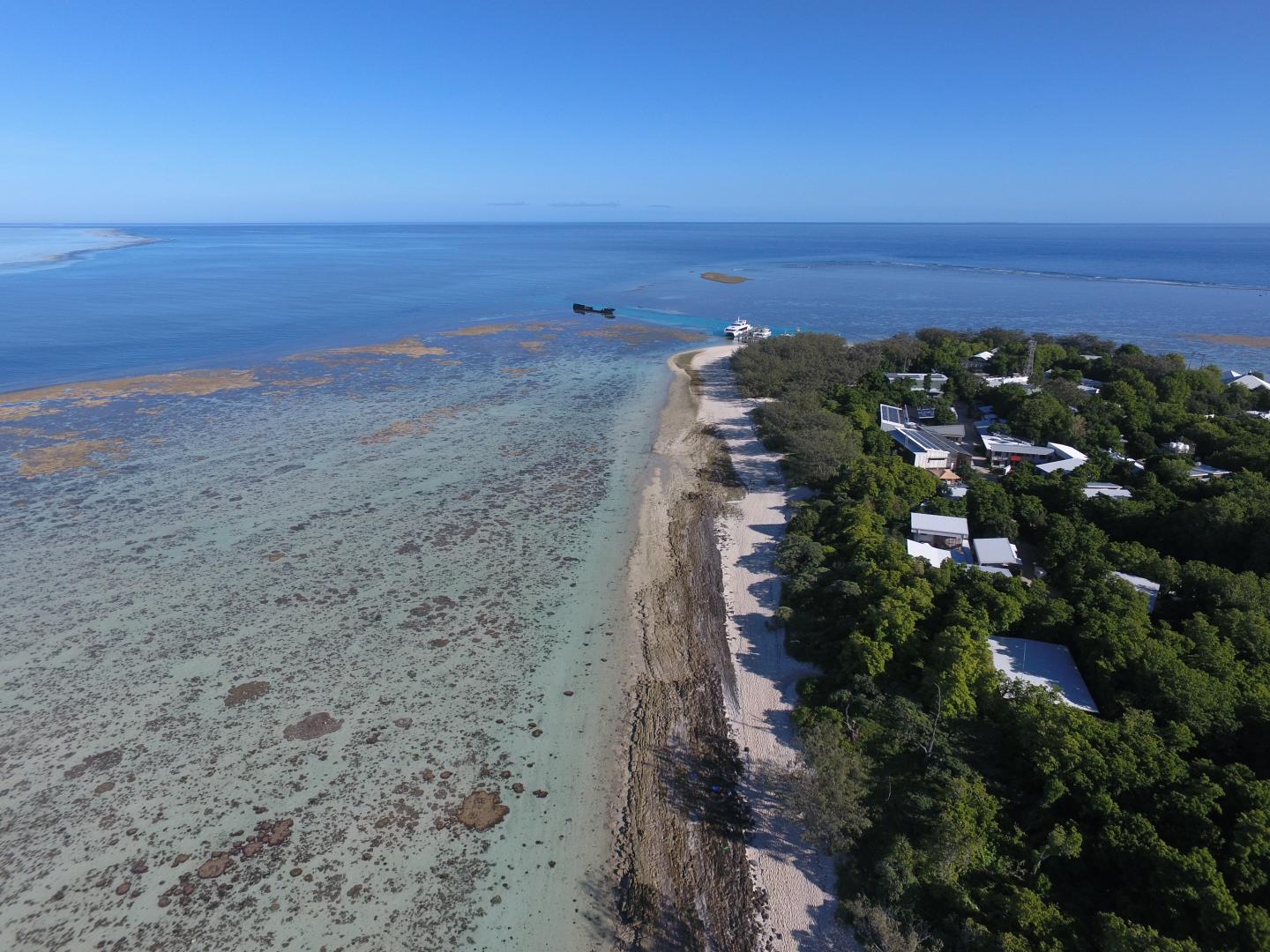
IMAGE

Credit: The University of Queensland

Microorganisms play a crucial role in forming beachrock, a type of rock that forms on the beach and protects low-lying reef islands from erosion, a new study involving University of Queensland research has revealed.

Professor Gordon Southam of UQ's School of Earth and Environmental Sciences said the findings threw new light on an area of coastal ecology that had been little studied, but could help protect islands such as in Australia's Great Barrier Reef.

"These results are of interest because beachrock could be used as a natural coastline stabilisation strategy on sand reef cays, and in turn, protect the unique habitats that reef islands support," Professor Southam said.

He said of all the coastal environments that would be influenced by sea-level rise and increased cyclone intensity, sandy beaches on low elevation coral reef cays were among the most vulnerable due to their susceptibility to erosion.

"Changes to reef islands will have negative implications for the existence of reef cay environments, which host vital sea turtle and bird rookery habitats," he said.

"Beachrock – consolidated carbonate beach sediment in the intertidal zone – forms naturally on many tropical beaches and reduces the erosion rates of these beaches when compared to unconsolidated sand.

"In spite of the critical role beachrock plays in stabilizing some reef cay shores, the mechanism of beach rock formation is still incompletely understood."

Co-author Professor Gregory Webb said in this investigation beachrock was synthesised in the laboratory using beach sand and beachrock samples from Heron Island on Australia's Great Barrier Reef.

The researchers conducted aquarium experiments in which natural beach rock formation conditions were simulated, with one experiment influenced by beachrock microbes and the other, lacking these bacteria.

The resulting materials were then analysed in the Australian synchrotron in Melbourne, and the analysis showed the fundamental role these bacteria play in initiating beachrock formation.

Professor Southam said the results provided a better understanding of the role of microorganisms in beachrock generation, and could guide future studies examining on site beachrock formation.

###

The study, led by UQ PhD graduate and University of Leeds research fellow Dr Jenine McCutcheon, and involving researchers from QUT and UQ, is published in Chemical Geology DOI: https://doi.org/10.1016/j.chemgeo.2017.05.019

Media Contact

Gordon Southam
[email protected]
@uq_news

http://www.uq.edu.au

############

Story Source: Materials provided by Scienmag

Share12Tweet8Share2ShareShareShare2

Related Posts

Florida Cane Toad: Complex Spread and Selective Evolution

Florida Cane Toad: Complex Spread and Selective Evolution

February 7, 2026
New Study Uncovers Mechanism Behind Burn Pit Particulate Matter–Induced Lung Inflammation

New Study Uncovers Mechanism Behind Burn Pit Particulate Matter–Induced Lung Inflammation

February 6, 2026

DeepBlastoid: Advancing Automated and Efficient Evaluation of Human Blastoids with Deep Learning

February 6, 2026

Navigating the Gut: The Role of Formic Acid in the Microbiome

February 6, 2026
Please login to join discussion

POPULAR NEWS

  • Robotic Ureteral Reconstruction: A Novel Approach

    Robotic Ureteral Reconstruction: A Novel Approach

    82 shares
    Share 33 Tweet 21
  • Digital Privacy: Health Data Control in Incarceration

    63 shares
    Share 25 Tweet 16
  • Study Reveals Lipid Accumulation in ME/CFS Cells

    57 shares
    Share 23 Tweet 14
  • Breakthrough in RNA Research Accelerates Medical Innovations Timeline

    53 shares
    Share 21 Tweet 13

About

We bring you the latest biotechnology news from best research centers and universities around the world. Check our website.

Follow us

Recent News

Digital Health Perspectives from Baltic Sea Experts

Florida Cane Toad: Complex Spread and Selective Evolution

Exploring Decision-Making in Dementia Caregivers’ Mobility

Subscribe to Blog via Email

Enter your email address to subscribe to this blog and receive notifications of new posts by email.

Join 73 other subscribers
  • Contact Us

Bioengineer.org © Copyright 2023 All Rights Reserved.

Welcome Back!

Login to your account below

Forgotten Password?

Retrieve your password

Please enter your username or email address to reset your password.

Log In
No Result
View All Result
  • Homepages
    • Home Page 1
    • Home Page 2
  • News
  • National
  • Business
  • Health
  • Lifestyle
  • Science

Bioengineer.org © Copyright 2023 All Rights Reserved.