• HOME
  • NEWS
  • EXPLORE
    • CAREER
      • Companies
      • Jobs
    • EVENTS
    • iGEM
      • News
      • Team
    • PHOTOS
    • VIDEO
    • WIKI
  • BLOG
  • COMMUNITY
    • FACEBOOK
    • INSTAGRAM
    • TWITTER
Saturday, February 7, 2026
BIOENGINEER.ORG
No Result
View All Result
  • Login
  • HOME
  • NEWS
  • EXPLORE
    • CAREER
      • Companies
      • Jobs
        • Lecturer
        • PhD Studentship
        • Postdoc
        • Research Assistant
    • EVENTS
    • iGEM
      • News
      • Team
    • PHOTOS
    • VIDEO
    • WIKI
  • BLOG
  • COMMUNITY
    • FACEBOOK
    • INSTAGRAM
    • TWITTER
  • HOME
  • NEWS
  • EXPLORE
    • CAREER
      • Companies
      • Jobs
        • Lecturer
        • PhD Studentship
        • Postdoc
        • Research Assistant
    • EVENTS
    • iGEM
      • News
      • Team
    • PHOTOS
    • VIDEO
    • WIKI
  • BLOG
  • COMMUNITY
    • FACEBOOK
    • INSTAGRAM
    • TWITTER
No Result
View All Result
Bioengineer.org
No Result
View All Result
Home NEWS Science News

PNG expedition discovers largest trees at extreme altitudes

Bioengineer by Bioengineer
May 31, 2017
in Science News
Reading Time: 3 mins read
0
Share on FacebookShare on TwitterShare on LinkedinShare on RedditShare on Telegram
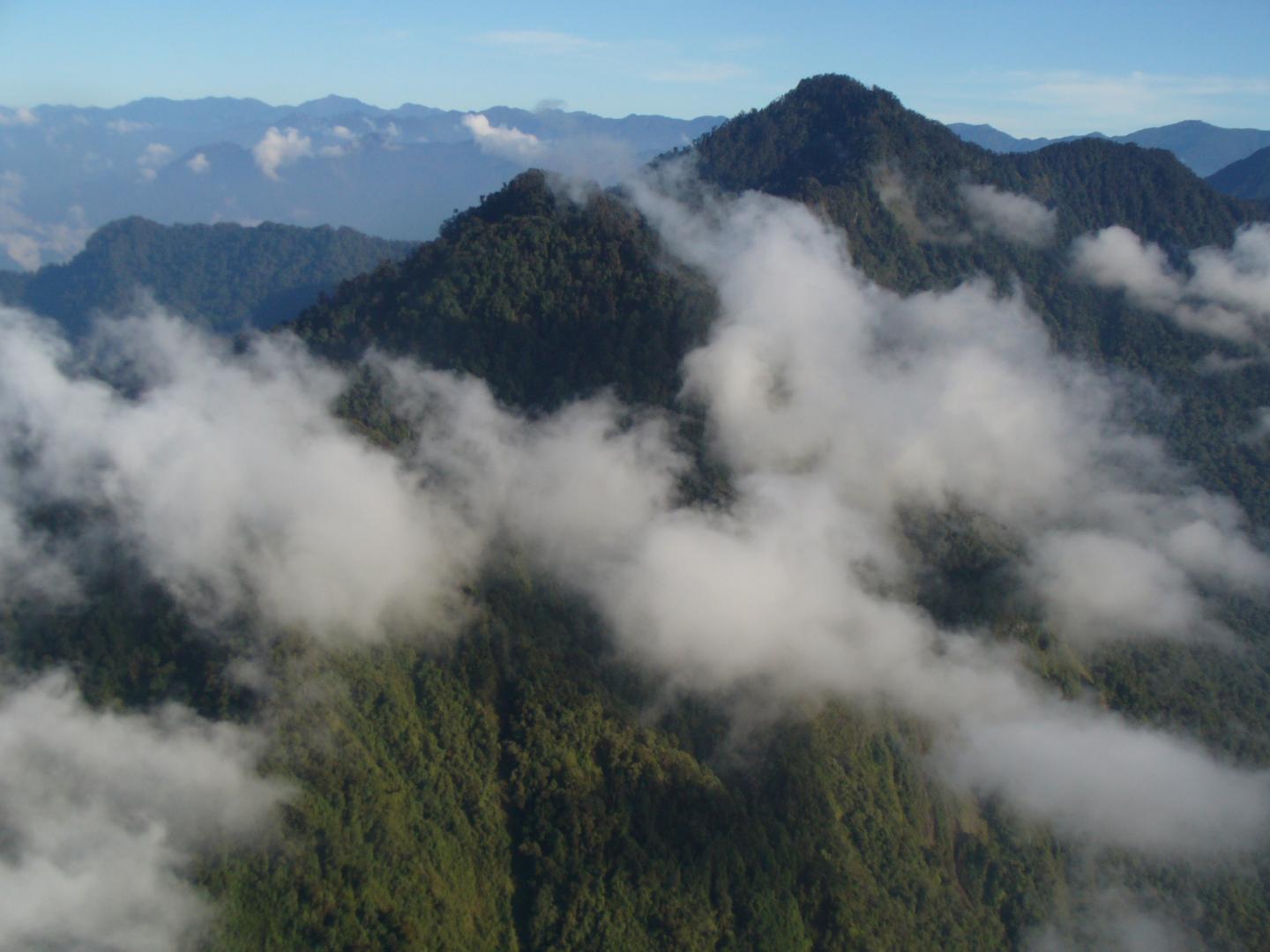
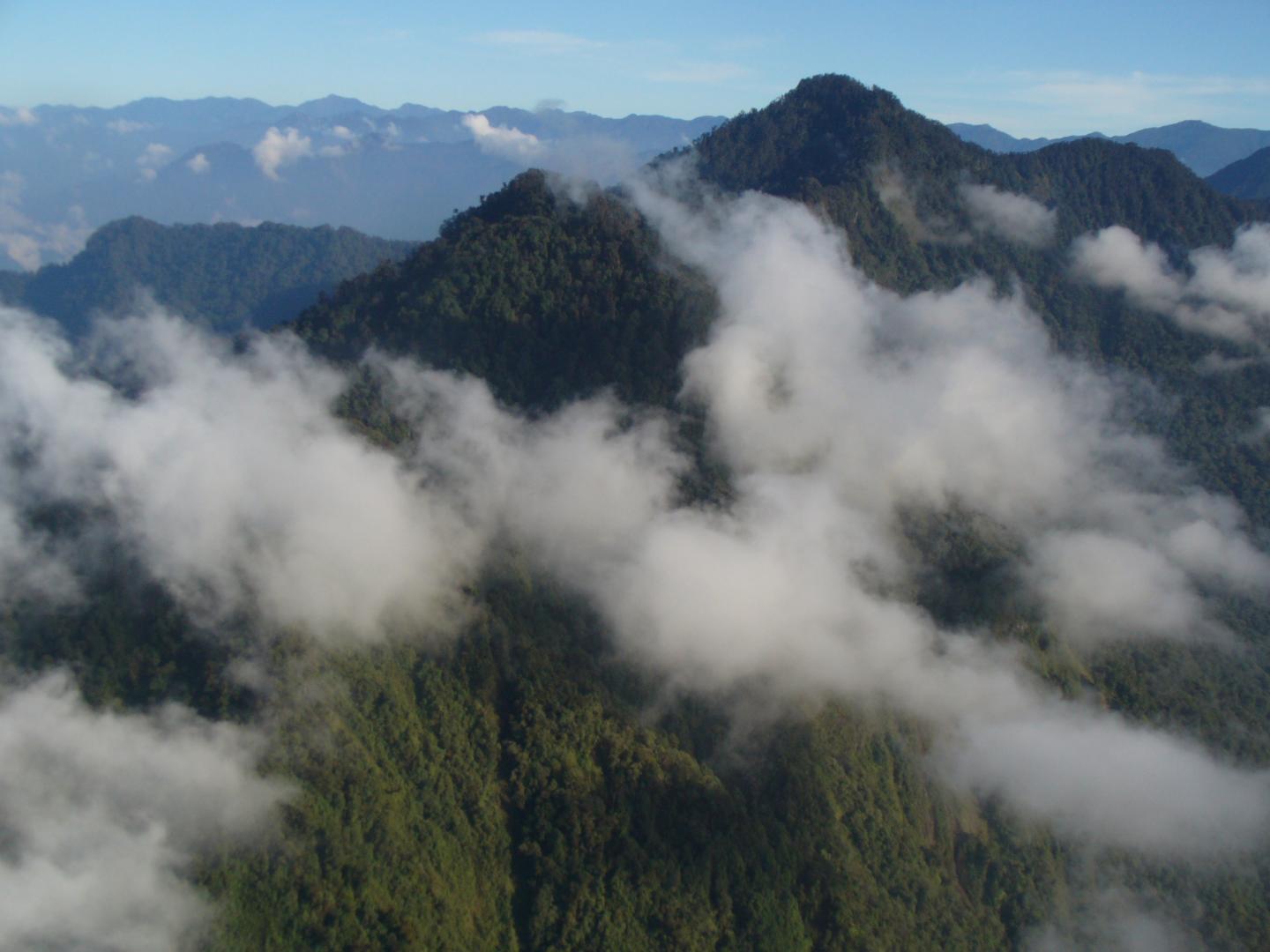
IMAGE

Credit: Dr Michelle Venter

The first field campaign surveying Papua New Guinea's lush primary forests from the coast to clouds has revealed the high mountain tops may house the largest trees recorded globally at such extreme altitudes.

The study – which involved The University of Queensland's Dr John Dwyer and James Cook University's Professor Michael Bird – was led by Dr Michelle Venter, a postdoctoral fellow at the University of Northern British Columbia, Canada.

"The study may force a re-think of what we know about the ideal environments for growing very large trees," said Dr Dwyer, a UQ School of Biological Sciences' lecturer and CSIRO researcher.

Dr Venter led seven field expeditions in areas far from roads and villages, with the help of more than 70 field assistants from five forest-dependent communities, working on slopes of up to 88 degrees.

They studied 195 forest plots in the rugged and remote Morobe province along an elevation gradient spanning from the coastal lowland forests (50m) to upper montane tropical forests (3100m).

Unexpectedly, the researchers found that the forest biomass had a major peak at altitudes of 2400-3100m, altitudes where forests struggle to reach more than 15m tall in other parts of the world.

"Tropical montane forests are typically squat and gnarly," Dr Venter said.

"Current thinking is that tall mountains make small trees.

"However, we recorded more than 15 tree families with individuals growing 30-40m tall at extreme altitudes, which brings this assumption into question."

The tallest trees included a 41m high Nothofagus starkenborghii, one of the southern beeches whose ancestors dominated Gondwanan forests for millions of years.

Dr Dwyer said the researchers became excited when they realised the unique climate conditions found on mountain tops of PNG were remarkably similar to those of temperate maritime areas known to grow the largest trees in the world

"Think of the foggy mid-west coast of the USA, which boasts the epically large coast redwoods," Dr Venter said.

The world's tallest known tree is a 115.8m (380ft) coast redwood (Sequoia sempervirens) found in California, and the second-tallest reliably measured specimen, is a 99.82m (327.5ft) mountain ash (Eucalptytus regnans) from the Arve Valley in Tasmania.

Several Australian gums from Tasmania and Victoria are also in the top 20 monument trees list.

Coast redwoods occur in elevations up to about 920m, while the Australian mountain ash occurs in cool mountainous areas to 1000 metres altitude, considerably less than the PNG altitudes.

James Cook University's Professor Bird said: "Believe it or not, why and how trees grow large is still a topic for investigation and reasons for the persistence of large old trees are still not clearly known."

"Large trees are susceptible to many interacting threats, from disease to climate change, and because of their size and age, they don't adapt well to rapidly changing, human-modified environments."

The study was published today in the journal Global Change Biology (DOI: 10.1111/gcb.13741)

###

Media Contact

Dr. John Dwyer
[email protected]
61-733-652-863
@uq_news

http://www.uq.edu.au

############

Story Source: Materials provided by Scienmag
Share12Tweet8Share2ShareShareShare2

Related Posts

Scientists Identify SARS-CoV-2 PLpro and RIPK1 Inhibitors Showing Potent Synergistic Antiviral Effects in Mouse COVID-19 Model

February 7, 2026

Neg-Entropy: The Key Therapeutic Target for Chronic Diseases

February 7, 2026

Multidisciplinary Evidence-Based Guidelines for Therapeutic Drug Monitoring of Biologics in Inflammatory Bowel Disease

February 7, 2026

Early Tuberculosis Treatment Lowers Sepsis Mortality in People with HIV

February 7, 2026
Please login to join discussion

POPULAR NEWS

  • Robotic Ureteral Reconstruction: A Novel Approach

    Robotic Ureteral Reconstruction: A Novel Approach

    82 shares
    Share 33 Tweet 21
  • Digital Privacy: Health Data Control in Incarceration

    63 shares
    Share 25 Tweet 16
  • Study Reveals Lipid Accumulation in ME/CFS Cells

    57 shares
    Share 23 Tweet 14
  • Breakthrough in RNA Research Accelerates Medical Innovations Timeline

    53 shares
    Share 21 Tweet 13

About

We bring you the latest biotechnology news from best research centers and universities around the world. Check our website.

Follow us

Recent News

Scientists Identify SARS-CoV-2 PLpro and RIPK1 Inhibitors Showing Potent Synergistic Antiviral Effects in Mouse COVID-19 Model

Neg-Entropy: The Key Therapeutic Target for Chronic Diseases

Multidisciplinary Evidence-Based Guidelines for Therapeutic Drug Monitoring of Biologics in Inflammatory Bowel Disease

Subscribe to Blog via Email

Enter your email address to subscribe to this blog and receive notifications of new posts by email.

Join 73 other subscribers
  • Contact Us

Bioengineer.org © Copyright 2023 All Rights Reserved.

Welcome Back!

Login to your account below

Forgotten Password?

Retrieve your password

Please enter your username or email address to reset your password.

Log In
No Result
View All Result
  • Homepages
    • Home Page 1
    • Home Page 2
  • News
  • National
  • Business
  • Health
  • Lifestyle
  • Science

Bioengineer.org © Copyright 2023 All Rights Reserved.