• HOME
  • NEWS
  • EXPLORE
    • CAREER
      • Companies
      • Jobs
    • EVENTS
    • iGEM
      • News
      • Team
    • PHOTOS
    • VIDEO
    • WIKI
  • BLOG
  • COMMUNITY
    • FACEBOOK
    • INSTAGRAM
    • TWITTER
Saturday, February 7, 2026
BIOENGINEER.ORG
No Result
View All Result
  • Login
  • HOME
  • NEWS
  • EXPLORE
    • CAREER
      • Companies
      • Jobs
        • Lecturer
        • PhD Studentship
        • Postdoc
        • Research Assistant
    • EVENTS
    • iGEM
      • News
      • Team
    • PHOTOS
    • VIDEO
    • WIKI
  • BLOG
  • COMMUNITY
    • FACEBOOK
    • INSTAGRAM
    • TWITTER
  • HOME
  • NEWS
  • EXPLORE
    • CAREER
      • Companies
      • Jobs
        • Lecturer
        • PhD Studentship
        • Postdoc
        • Research Assistant
    • EVENTS
    • iGEM
      • News
      • Team
    • PHOTOS
    • VIDEO
    • WIKI
  • BLOG
  • COMMUNITY
    • FACEBOOK
    • INSTAGRAM
    • TWITTER
No Result
View All Result
Bioengineer.org
No Result
View All Result
Home NEWS Science News Health

First Nations, Inuit babies hospitalized more often in first year of life

Bioengineer by Bioengineer
May 29, 2017
in Health
Reading Time: 2 mins read
0
Share on FacebookShare on TwitterShare on LinkedinShare on RedditShare on Telegram

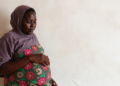
First Nations and Inuit babies were hospitalized much more often in the first year of life compared with non-Indigenous babies, many for preventable illnesses, found a new study of infant hospitalizations in Quebec, Canada, published in CMAJ (Canadian Medical Association Journal) http://www.cmaj.ca/lookup/doi/10.1503/cmaj.160900.

The study included 19 770 First Nations babies, 3930 Inuit and 225 380 non-Indigenous infants born between 1996 and 2010 in the province of Quebec. First Nations and Inuit mothers were much younger than non-Indigenous mothers, with 22% of First Nations and 27% of Inuit mothers under age 20 compared with non-Indigenous mothers (3.3%). Indigenous mothers were more likely to live alone and have lower education levels compared with non-Indigenous mothers. They also had higher rates of chronic diseases such as pre-existing diabetes, high blood pressure and kidney disease as well as pregnancy complications such as gestational diabetes, gestational hypertension and preeclampsia.

Both First Nations and Inuit infants are about twice as likely to be hospitalized in the first year of life compared with non-Indigenous infants. Respiratory diseases and infections were the most common causes of hospitalization.

"The excess risks of these diseases may be related to infant immunizations and the quality of the living environment, and thus may be largely preventable, suggesting the need to improve infant immunization programs, promote breastfeeding and no smoking in the child's living environment, and improve living conditions in Indigenous communities," writes Drs. Hua He and Zhong-Cheng Luo, Xinhua Hospital, Shanghai, China, and Sainte-Justine Hospital, University of Montreal, Montreal, Quebec, with coauthors.

"The findings identify substantial unmet needs in Indigenous infant disease prevention and medical care. There is an urgent need for interventions to reduce Indigenous versus non-Indigenous infant health inequalities," the authors conclude.

###

The study was conducted by researchers at Xinhua Hospital, Shanghai Jiao-Tong University School of Medicine, Shanghai, China; Sainte-Justine Hospital and University of Montreal Hospital Research Centre, University of Montreal, Montreal, Quebec; Public Health Department, Cree Board of Health and Social Services, James Bay, Mistissini, Quebec; First Nations of Quebec and Labrador Health and Social Services Commission, Wendake, Quebec; and Nunavik Regional Board of Health and Social Services, Kuujjuaq, Quebec.

Media Contact

Kim Barnhardt
[email protected]
800-267-9703
@CMAJ

http://www.cmaj.ca/

############

Story Source: Materials provided by Scienmag
Share12Tweet8Share2ShareShareShare2

Related Posts

Digital Health Perspectives from Baltic Sea Experts

February 7, 2026

Exploring Decision-Making in Dementia Caregivers’ Mobility

February 7, 2026

Succinate Receptor 1 Limits Blood Cell Formation, Leukemia

February 7, 2026

Palmitoylation of Tfr1 Drives Platelet Ferroptosis and Exacerbates Liver Damage in Heat Stroke

February 7, 2026
Please login to join discussion

POPULAR NEWS

  • Robotic Ureteral Reconstruction: A Novel Approach

    Robotic Ureteral Reconstruction: A Novel Approach

    82 shares
    Share 33 Tweet 21
  • Digital Privacy: Health Data Control in Incarceration

    63 shares
    Share 25 Tweet 16
  • Study Reveals Lipid Accumulation in ME/CFS Cells

    57 shares
    Share 23 Tweet 14
  • Breakthrough in RNA Research Accelerates Medical Innovations Timeline

    53 shares
    Share 21 Tweet 13

About

We bring you the latest biotechnology news from best research centers and universities around the world. Check our website.

Follow us

Recent News

Digital Health Perspectives from Baltic Sea Experts

Florida Cane Toad: Complex Spread and Selective Evolution

Exploring Decision-Making in Dementia Caregivers’ Mobility

Subscribe to Blog via Email

Enter your email address to subscribe to this blog and receive notifications of new posts by email.

Join 73 other subscribers
  • Contact Us

Bioengineer.org © Copyright 2023 All Rights Reserved.

Welcome Back!

Login to your account below

Forgotten Password?

Retrieve your password

Please enter your username or email address to reset your password.

Log In
No Result
View All Result
  • Homepages
    • Home Page 1
    • Home Page 2
  • News
  • National
  • Business
  • Health
  • Lifestyle
  • Science

Bioengineer.org © Copyright 2023 All Rights Reserved.