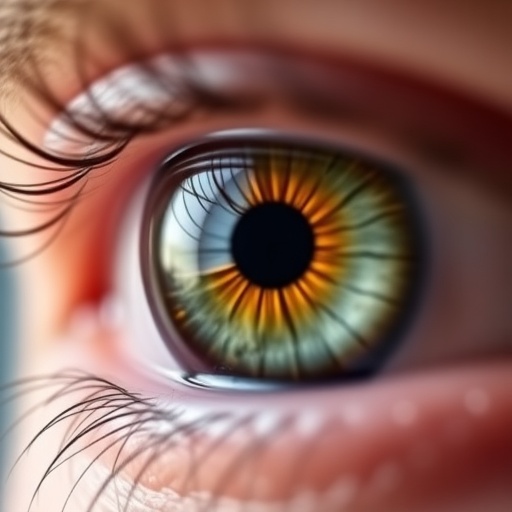
In a pioneering advancement in the realm of ocular genetics, a study spearheaded by Flinders University has unearthed a significant genetic determinant implicated in juvenile glaucoma, a sight-threatening condition predominantly manifesting before the age of 40. This discovery not only magnifies the role of genetic duplications in ophthalmic diseases but also charts a promising course for enhanced diagnostic strategies tailored to younger patients who are often overlooked in glaucoma screenings.
The research primarily focuses on the duplication of the FOXC1 gene, a segment of DNA previously unquantified at scale in patients suffering from Juvenile Open-Angle Glaucoma (JOAG). Through comprehensive genetic analysis involving 594 JOAG patients from leading genetic databases across the United States and the Australian and New Zealand Registry of Advanced Glaucoma (ANZRAG), researchers identified this duplication in 20 individuals spanning 10 distinct families. The high prevalence across such a diverse cohort cements FOXC1 duplication as a formidable contributor to the pathology of juvenile glaucoma.
Juvenile glaucoma’s insidious nature makes it notoriously difficult to diagnose early; it silently imperils vision well before clinical symptoms emerge. The absence of early, overt signs means that many patients experience irreversible optic nerve damage by the time of detection. The FOXC1 gene duplication now emerges as a critical biomarker that can facilitate earlier detection via genetic testing, particularly in families exhibiting a history of the disease, thus opening avenues for preemptive ocular health management.
The corresponding author, genetic counselor Giorgina Maxwell from Flinders University, emphasizes the hereditary risk driven by this duplication. If an individual harbors the FOXC1 duplication, their immediate blood relatives—parents, siblings, and offspring—inherit up to a 50% probability of possessing the same genetic anomaly. Such a revelation underscores the urgency for cascade genetic screening within families, potentially revolutionizing the early monitoring and intervention paradigms for juvenile glaucoma.
Juxtaposed with previously known genetic causes of JOAG, FOXC1 duplication now compels a reevaluation of genetic testing panels used in clinics worldwide. This duplication alters gene dosage, thereby disrupting transcriptional control pathways vital to ocular development and homeostasis. The molecular dysregulation induced by FOXC1 abnormalities elucidates the mechanisms behind optic nerve susceptibility and trabecular meshwork dysfunction characteristic of glaucoma, offering new molecular targets for therapeutic research.
Professor Jamie Craig, a world-renowned glaucoma expert and co-director of the Flinders Health and Medical Research Institute Eye and Vision group, underscores the clinical implications of this genomic breakthrough. Early diagnosis facilitated by FOXC1 genetic screening can dramatically modify treatment trajectories by deploying pharmacological and surgical strategies before significant neural compromise occurs. Current interventions like intraocular pressure-lowering eye drops, laser trabeculoplasty, and minimally invasive glaucoma surgeries can then be timed optimally to preserve visual function.
Juvenile Open-Angle Glaucoma, while relatively rare compared to its adult-onset counterparts, presents unique diagnostic challenges. Its early onset means patients live with the disease much longer, amplifying the socio-economic and quality-of-life burdens. By integrating FOXC1 gene analysis into routine genetic testing, clinicians can now stratify patient risk with enhanced precision, transitioning glaucoma management from reactive treatment to preventative ocular health stewardship.
Dr. Emmanuelle Souzeau, principal investigator at ANZRAG and co-author of the study, highlights the historical difficulty in pinpointing genetic etiologies behind JOAG, which led to underdiagnosis and suboptimal surveillance of at-risk individuals. The delineation of FOXC1 duplication’s role provides critical insight into the genetic architecture of the disease, prompting wider adoption of genetic counseling and earlier ophthalmic assessments across populations with a familial glaucoma background.
The global impact of glaucoma is staggering, affecting an estimated 80 million individuals and ranking among the foremost causes of irreversible blindness worldwide. In Australia alone, approximately 300,000 individuals live with the condition, many unknowingly, as the disease often advances stealthily. This study invites a paradigm shift in acknowledging juvenile glaucoma’s contribution to the overall glaucoma burden and insists on heightened awareness within both medical and public health sectors.
The researchers advocate for widespread implementation of FOXC1 duplication screening in both high-risk and general populations, which holds promise not only for juvenile glaucoma but potentially other anterior segment dysgenesis disorders linked to FOXC1 mutations. By employing next-generation sequencing technologies combined with gene dosage assays, future screening initiatives can deliver rapid, cost-effective assessments, facilitating personalized medicine approaches.
While the study sheds illuminating light on genetic duplications in glaucoma, it also raises important questions regarding genotype-phenotype correlations and the penetrance of FOXC1 duplications across diverse ethnicities. Longitudinal studies and broader cohort analyses are essential to unravel these complexities, potentially guiding gene-targeted therapeutics or gene-editing endeavors that could transform glaucoma from a leading cause of blindness into a manageable, if not curable, condition.
This landmark research, published in JAMA Ophthalmology, exemplifies the synergy of international collaboration, advanced genomic technologies, and clinical insight. By unmasking FOXC1 duplication as a pivotal genetic factor in juvenile glaucoma, the study not only expands the scientific understanding of ocular genomics but also ignites hope for patients worldwide whose vision may now be safeguarded through informed, genetic-guided clinical care.
Subject of Research: Human tissue samples
Article Title: Association of FOXC1 duplications with Juvenile Open-Angle Glaucoma
News Publication Date: 7-May-2026
Web References:
DOI link: 10.1001/jamaophthalmol.2026.1183
ANZRAG
Flinders University FHMRI Eye and Vision
References: Maxwell GE, Schmidt JM, Kolovos A, Nguyen TT, Zamora-Alejo K, Ruddle JB, Craig MA, Walland M, Brooks AMV, Bernatowicz K, Guedvarra CB, Castor FR, Collantes ER, Sibulo MC, Siggs OM, Wiggs JL, Craig JE, Souzeau E. Association of FOXC1 duplications with Juvenile Open-Angle Glaucoma. JAMA Ophthalmol. 2026. DOI: 10.1001/jamaophthalmol.2026.1183.
Image Credits: Flinders University
Keywords: Juvenile Glaucoma, FOXC1 Duplication, Genetic Testing, Juvenile Open-Angle Glaucoma, Glaucoma Genetics, Ophthalmic Genomics, Early Detection, Genetic Counseling, Ocular Disease, Vision Loss Prevention, ANZRAG, Flinders University.
Tags: early detection of juvenile glaucomaFOXC1 gene duplicationFOXC1 gene in eye diseasegenetic determinants of glaucomaglaucoma diagnosis in young patientsglaucoma genetic screeninginternational glaucoma genetic analysisjuvenile glaucoma genetic causejuvenile glaucoma patient studiesjuvenile open-angle glaucoma researchocular genetics advancementsoptic nerve damage in glaucoma