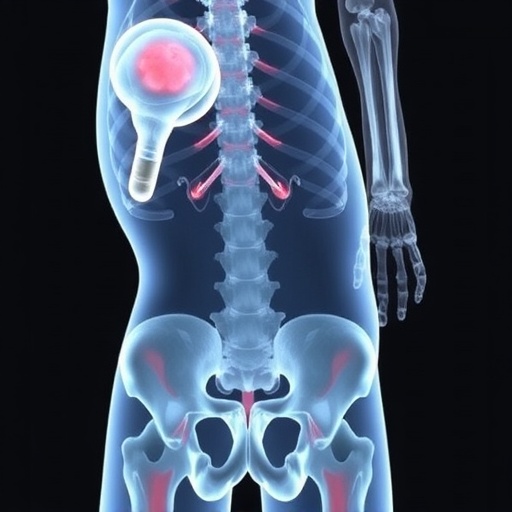
In a groundbreaking revelation that bridges nutrition, endocrinology, and bone health, recent research has shed light on the detrimental effects of a high-fructose diet on skeletal integrity. The study, corrected by Chen and Jiang in 2026, elucidates the molecular mechanisms by which excessive fructose consumption precipitates osteoporosis. At the heart of this discovery lies the suppression of thyroid hormone receptor beta (Thrb) and an unexpected increase in cholesterol accumulation, both of which collaborate to undermine bone density and resilience. This insight not only revolutionizes the understanding of dietary impact on bone physiology but also opens new therapeutic avenues for combating metabolic bone diseases.
Fructose, a simple sugar ubiquitously found in sweeteners and processed foods, has long been scrutinized for its metabolic consequences, primarily regarding obesity, insulin resistance, and cardiometabolic disorders. However, its direct link to bone deterioration has remained elusive until now. The research underscores that a diet rich in fructose disrupts the fine balance of bone remodeling — the cyclical process by which old bone is resorbed, and new bone is formed. The suppression of Thrb, a nuclear receptor critical for mediating thyroid hormone activity, emerges as the molecular fulcrum in this disruption. Thyroid hormones are essential regulators of bone growth and turnover, and their signaling through Thrb orchestrates gene expression pivotal to osteoblast and osteoclast function.
The study’s intricate molecular analyses reveal that high-fructose intake significantly downregulates Thrb expression in bone tissue, attenuating thyroid hormone signaling. This suppression impairs osteoblastic bone formation, skewing the remodeling balance towards resorption, which leads to net bone loss. Simultaneously, an accumulation of cholesterol within bone cells was observed, suggesting that high fructose levels foster a metabolic environment that compromises bone cell function. Cholesterol, a fundamental component of cell membranes and precursor of steroid hormones, when accumulated excessively, can induce cellular stress and impair bone cell viability.
The dual impact of Thrb suppression and cholesterol buildup presents a novel pathogenic axis for osteoporosis development, distinct from classical hormonal deficits or calcium metabolism disorders. Importantly, the research highlights that cholesterol accumulation is both a consequence and amplifier of impaired thyroid receptor signaling, creating a vicious cycle exacerbating bone fragility. This mechanistic link introduces a metabolic dimension to osteoporosis, positioning cholesterol metabolism as a critical player in skeletal health.
From a physiological perspective, the thyroid hormone receptor beta operates within the genome as a transcription factor, activating or repressing the expression of target genes in response to thyroid hormones like triiodothyronine (T3). Its role in bone includes the modulation of Runx2 and Osterix, master regulators of osteoblast differentiation, as well as RANKL and OPG balance, key determinants of osteoclast activity. The fructose-mediated suppression of Thrb thus disrupts this gene network, culminating in diminished bone formation and increased bone resorption.
Cholesterol’s role in this framework is particularly compelling. Beyond its structural functions, cholesterol homeostasis influences various signaling pathways, including the Hedgehog pathway and steroid hormone synthesis, both crucial for skeletal development and maintenance. The abnormal cholesterol accumulation noted in the study indicates that fructose-induced metabolic derangements extend into lipid handling at the cellular level within bone microenvironments, with deleterious consequences.
This research impels a re-examination of dietary guidelines, especially concerning sugar intake and bone health. Traditionally, osteoporosis prevention focuses on calcium and vitamin D supplementation, along with physical exercise. However, these findings suggest that metabolic factors, instigated by diet, may underlie a secondary yet significant pathway of skeletal decline. Reducing fructose consumption could emerge as a preventive strategy against bone loss, complementing established interventions.
Moreover, the identification of Thrb as a molecular target opens new therapeutic prospects. Potential interventions could aim to restore or mimic Thrb activity, thereby reinstating physiological thyroid hormone signaling in bone. Meanwhile, cholesterol-lowering strategies may mitigate the accumulation effects described, potentially using agents that modulate intracellular cholesterol trafficking or synthesis. These combined approaches could help break the pathological cascade incited by poor dietary fructose handling.
This work also poses intriguing questions about the systemic nature of metabolic diseases. Fructose-induced cholesterol accumulation and hormone receptor suppression in bone raise possibilities of similar mechanisms in other tissues, contributing to multisystemic complications of high-fructose diets. Future studies will need to explore the crosstalk between bone metabolism and systemic lipid and endocrine regulation.
In terms of public health implications, the study provides a stark warning against the widespread consumption of fructose-heavy diets, prevalent in many developed and developing nations through sweetened beverages, processed snacks, and fast foods. Osteoporosis, often considered a disease of aging, could have deeper roots in early-life dietary patterns, suggesting a need for early intervention and education.
The technological sophistication employed in this research deserves mention. Using cutting-edge gene expression analyses, lipidomics, and bone histomorphometry, the researchers were able to delineate the molecular landscape altered by fructose. Such integrative methodologies exemplify the progress in biomedical research that transcends traditional disciplinary boundaries to unravel complex metabolic diseases.
Despite the compelling discoveries, the study also acknowledges inherent limitations. The correction appended to the original publication clarifies certain data interpretations, emphasizing the rigorous peer review process and scientific transparency. Further validation in human clinical settings will be crucial to translate these findings from model systems to patient care, and longitudinal studies will determine the long-term impact of fructose on bone health.
In summary, the elucidation of how a high-fructose diet compromises bone integrity through Thrb suppression and cholesterol accumulation marks a paradigm shift in understanding osteoporosis etiology. This research highlights the intricate interplay between diet, hormonal regulation, and lipid metabolism in maintaining skeletal health. As metabolic diseases continue to burgeon globally, these insights underscore the urgency of integrating nutrition science with molecular endocrinology to tackle the multifaceted challenges of bone disorders.
Moving forward, this discovery encourages a multidisciplinary approach to osteoporosis, incorporating dietary counseling, molecular diagnostics, and novel therapeutics targeting specific signaling pathways disturbed by modern diets. It also serves as a beacon for further investigation into the metabolic underpinnings of other skeletal abnormalities, reinforcing the vital role of nutrition in long-term musculoskeletal health.
Chen and Jiang’s contribution to the field is not merely an addition to the growing literature on diet and disease but a clarion call to re-evaluate entrenched perspectives on bone metabolism. It propels future research trajectories aiming to decipher how everyday dietary choices resonate at the molecular level, ultimately defining the structural robustness of the skeleton. This pioneering work lays a foundation for preventive and curative strategies that may one day transform osteoporosis from a pervasive, debilitating disease into a manageable condition shaped by metabolic artistry.
Subject of Research: The molecular effects of a high-fructose diet on bone health, focusing on the suppression of thyroid hormone receptor beta (Thrb) and cholesterol accumulation contributing to osteoporosis development.
Article Title: Correction: A high-fructose diet leads to osteoporosis by suppressing the expression of Thrb and facilitating the accumulation of cholesterol.
Article References:
Chen, J., Jiang, X. Correction: A high-fructose diet leads to osteoporosis by suppressing the expression of Thrb and facilitating the accumulation of cholesterol. Cell Death Discov. 12, 190 (2026). https://doi.org/10.1038/s41420-026-03126-7
Image Credits: AI Generated
Tags: cholesterol accumulation and bone densitycholesterol and bone resiliencedietary sugars and skeletal healthfructose impact on bone remodelingfructose-induced bone deteriorationhigh-fructose diet and osteoporosismetabolic bone diseases and dietmolecular mechanisms of osteoporosisnutritional endocrinology and bone healththerapeutic targets for osteoporosisthyroid hormone receptor beta suppressionthyroid hormone role in bone physiology