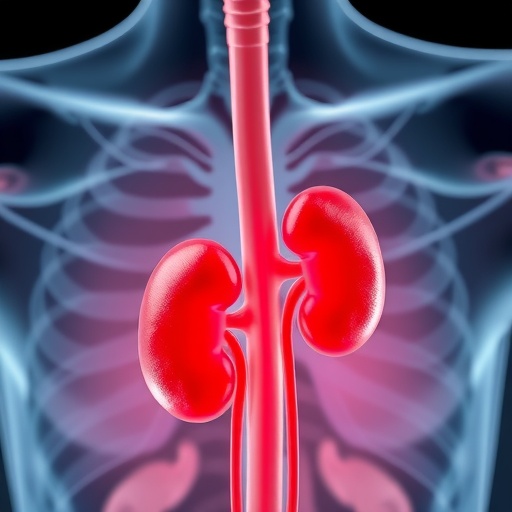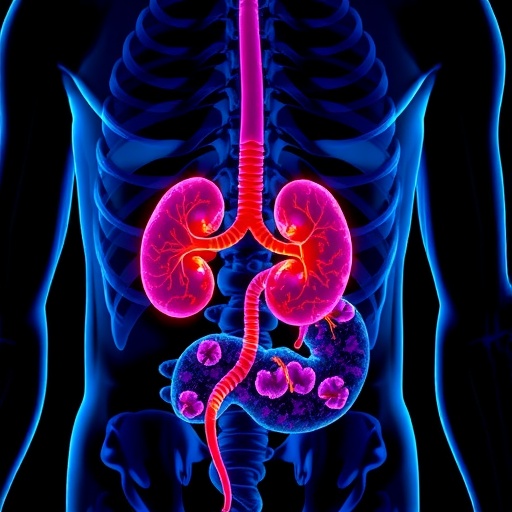
A groundbreaking study from NYU Langone Health elucidates a complex interplay between the gut microbiome and the debilitating autoimmune disease lupus nephritis, offering unprecedented insights that could transform diagnosis and treatment paradigms. Lupus nephritis, an inflammatory kidney condition triggered by systemic lupus erythematosus (SLE), has long perplexed researchers due to its heterogeneous clinical presentations and unpredictable course. This research pivots on the discovery that specific microbial antigens derived from the gut bacterium Ruminococcus gnavus provoke immune responses that may crucially drive the pathogenesis of lupus nephritis.
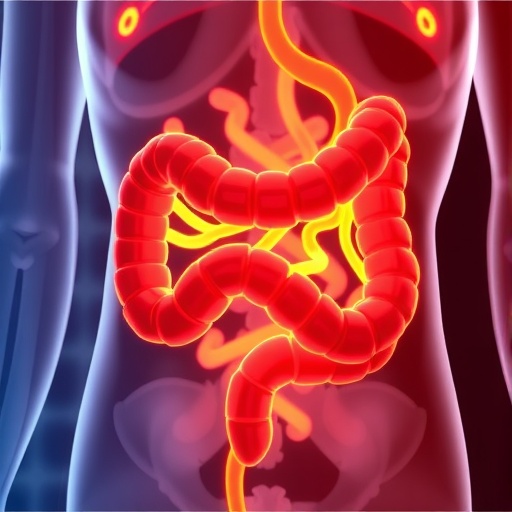
The human gut microbiome, an intricate ecosystem of trillions of bacteria, maintains a delicate balance essential for immune homeostasis. Disruptions within this microbiota, or dysbiosis, have increasingly been implicated in autoimmune disorders. The investigators focused on Ruminococcus gnavus, a commensal bacterium normally resident at low abundance in healthy individuals, but which can undergo dramatic blooms under certain physiologic conditions. These blooms result in elevated levels of a distinctive lipoglycan molecule composing the bacterial outer membrane, recognized as a potent immunogenic trigger.
Previous epidemiologic observations had hinted at a correlation between surges in R. gnavus populations and episodes of lupus nephritis, but this new study employs rigorous experimental design to establish causality. By profiling gut microbiota from lupus nephritis patients, the researchers identified a striking expansion of R. gnavus populations in approximately half of their female cohort. Importantly, these patients exhibited concurrent elevations in circulating antibodies targeting the R. gnavus lipoglycan, implicating a direct link between microbial antigen exposure and systemic autoimmune activation.
Mechanistically, the lipoglycan component engages the toll-like receptor 2 (TLR2) expressed on immune cell surfaces, a pattern recognition receptor pivotal in innate immunity. Upon activation, TLR2 initiates signaling cascades culminating in the amplification of pro-inflammatory cytokines and thromboinflammatory pathways, which the researchers designated as central drivers of renal tissue injury in lupus nephritis. This insight integrates microbial stimulation within innate immunity as a crucial upstream event catalyzing adaptive immune dysregulation.
To validate their hypothesis, the team utilized well-established murine lupus models, administering R. gnavus or purified lipoglycan orally to assess immunologic and renal outcomes. The exposed animals developed robust inflammatory responses recapitulating hallmark features of human lupus nephritis, including proteinuria, immune complex deposition, and glomerular damage. Significantly, administration of chemical blockers of TLR2 mitigated these effects, reducing immune activation and preserving kidney integrity, thereby highlighting potential therapeutic avenues.
This study heralds a paradigm shift: by pinpointing microbial antigens as initiators of flares and progression in lupus nephritis, it establishes a direct microbial-immune interface exploitable for intervention. Traditional treatments focus on broad immunosuppression, associated with substantial morbidity, including infection risk, metabolic complications, and neuropsychiatric effects. Targeting R. gnavus overgrowth or its lipoglycan-mediated TLR2 signaling offers a more selective strategy with the promise of reducing systemic toxicity while effectively controlling inflammation.
Beyond therapeutics, the detection of anti-R. gnavus lipoglycan antibodies emerges as a compelling biomarker to stratify patient risk for disease flares. Such serologic assays could enable clinicians to identify individuals predisposed to microbiome-triggered nephritis, facilitating early intervention before irreversible kidney damage ensues. The research group has indicated forthcoming clinical trials designed to evaluate the predictive power and clinical utility of these biomarkers in prospective lupus cohorts.
Demographically, lupus nephritis disproportionately affects women and minority populations, including African American, Hispanic, and Asian American individuals, underscoring an urgent need for personalized medicine approaches addressing these at-risk groups. The doubling in incidence over recent decades accentuates the public health imperative of improved diagnostic and therapeutic modalities. This study’s novel focus on microbiome-host interactions contributes vital knowledge towards this goal.
Funded by multiple National Institutes of Health grants and supported by the Lupus Research Alliance and the Colton Foundation, this research was led by immunologist Dr. Gregg Silverman, whose team at NYU Langone Health has patented detection tools and therapeutic candidates targeting R. gnavus lipoglycan. Their integrated approach combining immunology, microbiology, and nephrology exemplifies translational science pushing innovative frontiers against autoimmunity.
In summary, this landmark investigation clarifies how microbial dysbiosis, epitomized by Ruminococcus gnavus blooms, initiates toll-like receptor-mediated immune activation, fostering the chronic thromboinflammatory milieu characteristic of lupus nephritis. By unveiling this pathogenic axis, the findings illuminate promising diagnostic biomarkers and targeted therapies that could disrupt disease progression and improve patient outcomes with fewer adverse effects. As lupus nephritis continues to pose a formidable clinical challenge worldwide, such integrative research offers hope for precision treatment strategies predicated on modulating the gut microbiome and innate immune sensors.
Subject of Research: People
Article Title: A Pathogenic Gut Lipoglycan Drives Systemic Thromboinflammation in Lupus Nephritis
News Publication Date: 23-Apr-2026
Web References: http://dx.doi.org/10.1016/j.ard.2026.03.002
References: Annals of the Rheumatic Diseases
Keywords: Lupus, Autoimmune disorders, Gut microbiome, Ruminococcus gnavus, Lipoglycan, Toll-like receptor 2, Lupus nephritis, Immunology, Inflammation, Biomarkers
Tags: autoimmune kidney inflammationgut dysbiosis in autoimmune diseasesgut microbiome and lupus nephritislipoglycan immune responselupus diagnostic biomarkers from gut bacterialupus nephritis pathogenesis mechanismsmicrobial antigens triggering lupusmicrobiome influence on autoimmune disordersmicrobiota-driven immune triggersRuminococcus gnavus bacterial toxinssystemic lupus erythematosus gut connectiontherapeutic targets in lupus nephritis