


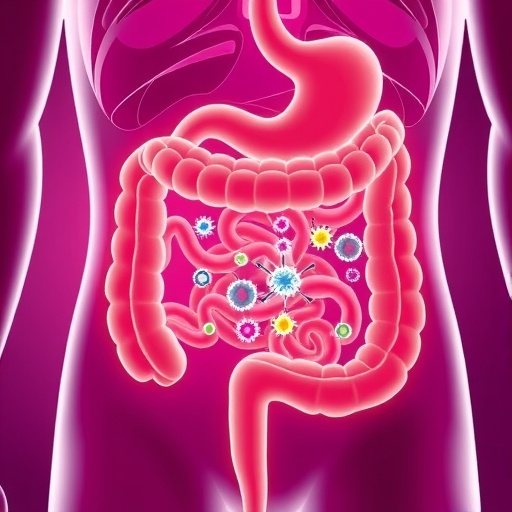
A groundbreaking clinical trial published in Clinical Gastroenterology and Hepatology has illuminated the parallels and distinctions between two frontline therapies for irritable bowel syndrome with diarrhea (IBS-D): the low fermentable oligosaccharides, disaccharides, monosaccharides, and polyols (FODMAP) diet and the antibiotic rifaximin. This university-led investigation not only confirmed that both interventions yielded comparable symptomatic relief—most notably in reducing abdominal pain and bloating—but also highlighted the predictive role of gut microbiome profiling in determining patient responsiveness. By delving into the complex interplay between microbial communities and therapeutic outcomes, researchers are forging a path toward precision medicine in the management of IBS-D.
IBS-D afflicts approximately 10% to 15% of adults in the United States, manifesting as recurrent abdominal discomfort alongside altered bowel habits characterized predominantly by diarrhea. Standard treatment paradigms often employ a trial-and-error approach, reflecting the heterogeneity of disease pathophysiology and patient variability. The low FODMAP diet, which strategically excludes certain short-chain carbohydrates known to ferment and exacerbate gastrointestinal symptoms, has gained traction as a non-pharmacologic intervention. Rifaximin, a minimally absorbed oral antibiotic, targets the gut microbiota to alleviate symptoms, but both options demonstrate efficacy in fewer than half of patients treated.
This randomized, controlled trial enrolled 65 subjects at a single center, assigning participants to either a two-week regimen of rifaximin or guided low FODMAP dietary counseling. Over the course of five weeks, investigators meticulously monitored symptom changes through validated scoring systems, alongside comprehensive longitudinal collection of stool samples at baseline and multiple subsequent time points. These samples underwent deep microbiome analysis, allowing the team to discern microbial taxa potentially predictive of treatment responsiveness. The included breath testing, a method often used to evaluate small intestinal bacterial overgrowth, was surprisingly ineffective in forecasting therapeutic outcomes.
A key revelation of the study was the identification of distinct microbial signatures associated with positive responses to each treatment arm. Patients benefiting from the low FODMAP diet initially exhibited lower abundances of putative saccharolytic bacteria—microbes that metabolize sugars—coupled with an increase in overall microbial diversity after intervention. This suggests that dietary modulation fosters an ecological shift within the gut that supports symptom reduction. Conversely, individuals responsive to rifaximin presented gut environments enriched with taxa capable of producing short-chain fatty acids and modifying bile acids, reflecting a microbiome potentially more resilient to the antibiotic’s effects and simultaneously supportive of gut health.
The investigation also shed light on a subset of patients who failed to respond to either therapy. These non-responders harbored gut microbiomes dominated by proteolytic bacteria—organisms specialized in the degradation of proteins—a microbial profile suggesting distinct metabolic pathways that might underlie treatment resistance. This finding underscores the importance of characterizing the microbiome beyond taxa presence, incorporating functional attributes that could influence therapeutic efficacy.
While the study doesn’t establish causality, it provides crucial “hypothesis-generating” insights that can guide future research and clinical applications. The prospect of pre-treatment microbiome profiling offers a transformative vision for IBS management, potentially enabling clinicians to tailor therapies to individual microbial landscapes, avoid ineffective interventions, and reduce patient burden associated with prolonged symptomatology and nebulous treatment courses. Such precision approaches could revolutionize the conventional paradigm rooted in empirical therapy adjustments.
Microbiome heterogeneity has long been implicated in IBS pathogenesis, yet this study is among the first to directly link microbial community composition and functional capacity to differential treatment outcomes in a controlled clinical setting. These findings align with emerging evidence that gut bacteria modulate host physiology through complex mechanisms including metabolite production, immune modulation, and epithelial barrier maintenance. The rifaximin responders’ enrichment in short-chain fatty acid-producing bacteria, for instance, hints at microbial metabolites’ pivotal roles in diminishing inflammation and normalizing gut motility.
The study also reiterates the significance of microbial diversity as a hallmark of gut health, particularly in dietary interventions targeting fermentable carbohydrates. Increasing alpha diversity during low FODMAP adherence may reflect a restoration of ecological balance, fostering resilience against dysbiosis-induced symptoms. This observation invites broader exploration into how dietary components sculpt microbiome structure-function relationships and, crucially, how patients with varying baseline microbial states respond differentially.
Investigators caution, however, that while the correlations are robust, the translational leap toward clinical microbiome-based diagnostics requires validation in larger, diverse cohorts and integration with multi-omic data layers. The complexity of microbiome-host interactions, influenced by genetics, environment, diet, and medication use, presents challenges that necessitate sophisticated bioinformatic tools and mechanistic studies.
Despite these hurdles, the vision articulated by lead author Dr. Allen Lee emphasizes a hopeful trajectory: leveraging the microbiome as a biomarker and modulator to optimize IBS treatment. As the field coalesces toward personalized gut medicine, this study sets a precedent for combining rigorous clinical trial design with cutting-edge microbiome science to overcome the therapeutic impasse in IBS-D.
This research was supported by multiple grants from the National Institutes of Health (NIH), including the National Institute of Diabetes and Digestive and Kidney Diseases and the National Center for Advancing Translational Sciences, alongside the Agency for Healthcare Research and Quality. Conflicts of interest were transparently disclosed, reflecting collaborations and consultancies with pharmaceutical and biotech entities, indicative of the translational potential vested in microbiome therapeutics.
In sum, the trial reveals that the gut microbiome holds promise as both a predictor and modulator of response to two common IBS-D treatments—low FODMAP diet and rifaximin. By unraveling the microbial underpinnings dictating therapeutic success or failure, this work pushes the boundary toward a future where clinical decisions are informed not solely by symptoms but by individualized microbial ecosystems, ushering in a new era of targeted, microbiome-informed gastroenterology.
Subject of Research: People
Article Title: A Randomized Trial of Rifaximin vs Low FODMAP Diet for Symptom Outcomes and Microbiome Changes in Irritable Bowel Syndrome
News Publication Date: 21-Apr-2026
Web References: http://dx.doi.org/10.1016/j.cgh.2026.04.014
Keywords: Microbiota, Gastroenterology, Dietary counseling, Antibiotics, Gut microbiota, Human gut microbiota
Tags: antibiotic effects on gut microbiota IBSclinical trial on IBS therapiesdietary interventions for IBS-Dgastrointestinal symptom relief methodsgut microbial profiling in IBSgut microbiome and IBS treatment responseIBS-D symptom management strategieslow FODMAP diet for IBS-Dmicrobiome-based predictors IBS therapypersonalized treatment approaches IBS-Dprecision medicine in irritable bowel syndromerifaximin antibiotic therapy IBS


