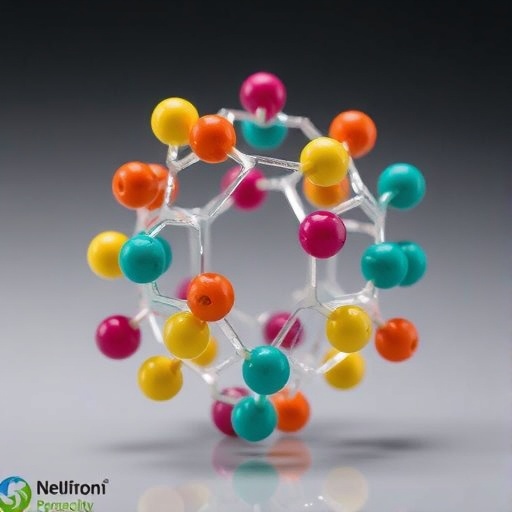
In a groundbreaking advancement at the intersection of catalysis and sustainable chemistry, researchers have unveiled an innovative platinum-based catalyst designed to revolutionize the conversion of biomass-derived levulinic acid into value-added pyrrolidones under ambient conditions. This novel system not only challenges traditional approaches that mandate harsh processing conditions but also elegantly harnesses the unique properties derived from engineered oxygen vacancies within cerium oxide supports, enabling exceptionally efficient hydrogen activation and subsequent reductive amination.
The abundance of renewable biomass as an alternative to diminishing fossil resources has catalyzed intense research focused on transforming biomass intermediates into functional chemicals with high commercial and environmental value. Levulinic acid, a pivotal biomass-derived platform molecule, has attracted significant attention due to its versatile chemical reactivity, enabling access to a spectrum of derivatives including N-substituted pyrrolidones. These pyrrolidones serve indispensable roles as solvents, synthetic intermediates, and industrially relevant functional compounds, thanks to their physicochemical robustness. Yet, the path to their efficient fabrication has typically been constrained by stringent reaction conditions that compromise sustainability and economic feasibility.
Traditional catalytic paradigms for reductive amination of levulinic acid often depend on elevated temperatures, increased hydrogen pressures, and prolonged reaction durations to overcome the intrinsic barriers of molecular hydrogen activation—a critical limiting factor. Even noble metal catalysts, which conventionally offer higher activity, falter when applied at room temperature and ambient pressure, underscoring a pressing need for catalyst designs capable of facilitating facile hydrogen dissociation within mild operational parameters. Overcoming this bottleneck promises significant strides toward greener chemical synthesis workflows.
The focal point of this research is the engineered platinum catalyst supported on oxygen-vacancy-rich cerium oxide (Pt/CeO2–Vo). By rigorously tailoring the ceria support to host an abundance of oxygen vacancies, the research team established an interfacial environment brimming with active sites primed for cooperative catalysis. Structural analyses reveal that platinum exists in finely dispersed forms, interspersed as Pt/PtO2 heterostructures abutting CeO2–Vo surfaces, fostering intimate Pt–O–Ce linkages. This configuration fundamentally alters the electronic milieu—oxygen vacancies modulate charge distribution and bolster strong metal-support interactions pivotal for catalytic function.
Mechanistically, the Pt/CeO2–Vo catalyst leverages a heterolytic hydrogen activation pathway at the Pt–O–Ce interface, a significant departure from standard homolytic hydrogen cleavage on metallic surfaces. This innovation entails the concerted participation of electron-deficient platinum centers and electron-rich oxygen atoms, facilitating the polarization and cleavage of H2 into heterogeneously charged fragments (Hδ⁺ and Hδ⁻). Such activation reduces the energy barrier for hydrogen dissociation substantially, making reactive hydrogen species abundantly available for subsequent reductive transformations. Complementary spectroscopic studies corroborate the dynamic hydrogen spillover from platinum metal sites onto the ceria matrix, further amplifying catalytic efficacy.
Performance metrics obtained during experimental evaluation underscore the catalyst’s exceptional proficiency. Operating at ambient temperature (25 °C) and one atmosphere pressure, the Pt/CeO2–Vo system achieved an impressive 95.2% yield of pyrrolidone products within merely one hour. The formation rate, quantified as 476.0 mol product per mol platinum per hour, not only doubles that of conventional Pt/CeO2 catalysts but also surpasses many existing catalytic formulations previously reported under similar mild conditions. Moreover, the catalyst’s robust performance persists even under elevated substrate concentrations, suggesting scalability and relevance for industrial biomass upgrading applications.
Robustness and longevity further elevate the appeal of this catalyst. Recycling experiments demonstrate steady catalytic activity across multiple reaction cycles without discernible decline in efficiency. Continuous flow reactor tests affirm operational stability over 80 hours under ambient conditions, indicative of excellent durability. Metal leaching analyses confirm minimal platinum loss, underpinning structural integrity and cost-effectiveness by reducing catalyst deactivation during prolonged usage—an essential feature for practical deployment in sustainable manufacturing contexts.
Insights into the reaction mechanism reveal a complex sequence proceeding through condensation, cyclization, and hydrogenation stages. Initially, levulinic acid engages with amine nucleophiles forming condensation intermediates, which rapidly undergo intramolecular cyclization to form cyclic iminium species. The decisive hydrogenation step—catalyzed efficiently by the Pt/CeO2–Vo interface—facilitates the conversion of these intermediates to final pyrrolidone products. This mechanistic understanding highlights the central role of enhanced hydrogen activation in dictating overall reaction kinetics and product selectivity.
The significance of this pioneering work extends beyond the immediate scope of levulinic acid conversion. It exemplifies how rational design of metal-oxide interfaces, especially through the strategic introduction of oxygen vacancies, can drastically modulate catalytic performance in hydrogenation reactions occurring near ambient conditions. By decoupling hydrogen activation from harsh external parameters, this approach heralds a new generation of sustainable catalysts suitable for a broad array of biomass valorization and organic synthesis transformations.
In the context of global efforts toward decarbonization and circular chemical economies, the demonstrated catalyst embodies a promising stride toward the pragmatic integration of bio-based feedstocks into chemical manufacturing pipelines. The synergy between platinum’s catalytic properties and ceria’s redox-active oxygen vacancies unlocks unprecedented reactivity profiles, marrying efficiency with environmental stewardship. This advancement not only furthers fundamental understanding of heterolytic hydrogen activation but also paves the way for scalable, energy-efficient production methods of high-value biochemicals.
As chemical industries grapple with intensifying regulatory pressures and the imperative for cleaner production methodologies, innovations like the Pt/CeO2–Vo catalyst underline the transformative potential of interface engineering in catalysis. Future research will likely delve into expanding this paradigm to other metal-support combinations as well as broadening substrate scopes beyond levulinic acid. Such endeavors could catalyze widespread adoption of ambient-condition hydrogenation processes, reshaping sustainable chemical manufacturing.
In conclusion, this work, published in the Journal of Bioresources and Bioproducts, delineates a versatile and highly adept catalytic platform that harnesses heterolytic hydrogen activation at oxygen-vacancy-rich Pt/CeO2 interfaces for the efficient reductive amination of levulinic acid to pyrrolidones. Offering a compelling solution to longstanding challenges associated with hydrogen activation under mild conditions, it stands at the forefront of catalytic science aimed at sustainable biomass upgrading and green chemistry innovation.
Subject of Research: Not applicable
Article Title: Heterolytic H2 Activation over Platinum Supported on Oxygen‑Vacancy‑Rich CeO2 (Pt/CeO2–Vo) for Efficient Reductive Amination of Levulinic Acid to Pyrrolidones under Ambient Conditions
News Publication Date: 15-Apr-2026
Web References:
Journal of Bioresources and Bioproducts
DOI: 10.1016/j.jobab.2026.10025
References: Experimental study as detailed in the referenced journal article.
Image Credits: Xie, W.; Zhang, Y.; Li, J.; Tang, Y.; Shi, Y.; Lin, L.; Tang, X. Journal of Bioresources and Bioproducts (2026).
Keywords
Cooperative catalysis, Organic reactions, Catalysis, Oxidation, Redox reactions, Supramolecular chemistry, Chemistry, Materials science
Tags: advanced catalyst design for green chemistrycerium oxide oxygen vacanciesenvironmentally friendly catalytic processeshydrogen activation in catalysislow-energy catalytic biomass conversionN-substituted pyrrolidones applicationsplatinum-based catalyst for biomass conversionpyrrolidones synthesis from biomassreductive amination of levulinic acidrenewable biomass platform chemicalsroom temperature biomass catalytic reactionsustainable biomass valorization methods