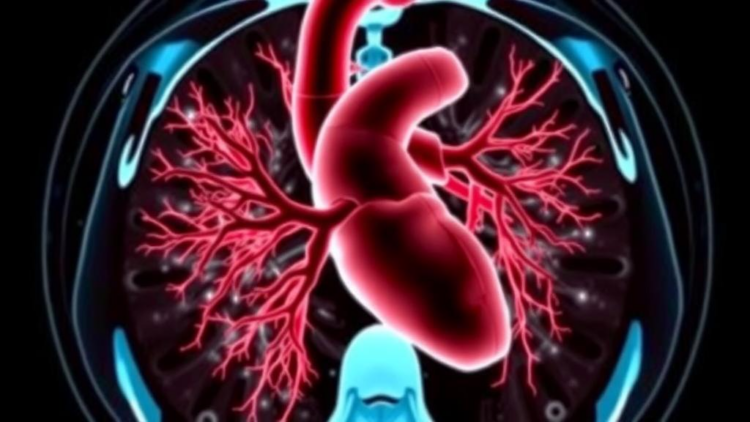
In a groundbreaking study published in the prestigious journal Neuron, researchers from the Universities of Bonn, Leipzig, and Tohoku, alongside University Hospital Bonn, have unveiled a molecular conversation between the brain and fat cells that underpins learned avoidance behavior to harmful pathogens in the fruit fly Drosophila. This newly discovered bi-directional communication pathway suggests that the body’s adipose tissue plays a previously unrecognized, active role in shaping neurobehavioral responses to environmental threats—offering tantalizing insights that may eventually illuminate similar mechanisms in humans.
The phenomenon of conditioned taste aversion, whereby animals develop an aversion to foods previously associated with illness, has long intrigued neuroscientists and immunologists alike. Historically, the underlying neuroimmune mechanisms orchestrating this learned behavior have remained elusive. This study overturns conventional wisdom, demonstrating that sensory neurons equipped with bacterial cell wall-recognizing receptors directly link pathogen detection to metabolic tissue signaling, effectively bridging external microbial threat detection with internal neurochemical modulation.
Experimental paradigms employed in the study involved offering Drosophila two identical food sources: one contaminated with the pathogenic bacteria Pseudomonas entomophila, known for its virulence, and the other with a benign Pseudomonas strain. Intriguingly, naive flies initially demonstrated a preference for the pathogen-laden food due to its attractive odor profile, underscoring the complex interplay between olfactory cues and innate preferences. However, this preference rapidly reversed following ingestion, revealing the flies’ ability to integrate immune system alert signals into adaptive behavior change.
Central to this discovery is a specialized subset of neurons located near the fly’s pharynx, which bear pattern recognition receptors capable of detecting conserved molecular motifs of pathogenic bacterial cell walls. Upon activation, these neurons release octopamine, a biogenic amine structurally analogous to mammalian adrenaline, that travels to the fat cells strategically positioned in the fly’s head. Octopamine’s signaling induces these adipocytes to synthesize dopamine, a neurotransmitter traditionally associated with reward processing and learning.
Of critical significance, dopamine produced in the fat body then travels back to the brain, where it perpetuates heightened activity within neural circuits governing memory formation and aversion learning. This dopamine surge effectively ‘tags’ the sensory representation of the pathogenic bacterial odor with a negative valence, compelling the fly to avoid similarly contaminated food in subsequent encounters. This feedback loop between neural octopamine signaling and adipocyte dopamine production establishes a novel bidirectional brain–fat axis that integrates immune status with behavior—a concept hitherto unexplored.
The adipose tissue’s involvement in this model expands traditional conceptions of fat as mere energy storage to reveal its essential neuroendocrine capacity. This adds a new dimension to understanding how peripheral metabolic states influence cognitive processes and behavioral outputs. Surprisingly, this mechanism may also adapt to the nutritional status of the organism; starved flies, possessing fewer fat cells, likely produce less dopaminergic signaling in response to pathogen detection, potentially lowering their avoidance threshold. Such metabolic modulation may reflect an evolutionary trade-off between nutrient acquisition urgency and pathogen susceptibility.
These insights bear immense translational potential, especially considering the conservation of neurotransmitter signaling pathways and fat-derived hormones across taxa. Given that mammalian adipose tissue similarly secretes neuroactive compounds that modulate central nervous system function and appetite regulation, analogous brain–fat communication channels may regulate pathogen avoidance or sickness behaviors in higher organisms, including humans. Dysregulation of these pathways could also contribute to maladaptive eating disorders, obesity, or anorexia nervosa, positing a tantalizing hypothesis warranting further exploration.
Mechanistically, this research highlights the importance of immune cell-mimetic sensory neurons in detecting not only environmental cues but also internal microbial threats, effectively serving as sentinels for adaptive behavioral change. The elucidation of octopamine-mediated adipocyte dopamine production as a signaling nexus refines our understanding of neuroimmune integration. It reveals a sophisticated system where peripheral metabolic status dynamically influences central neural plasticity, ultimately guiding survival-critical behaviors.
Looking forward, ongoing investigations aim to dissect the molecular underpinnings that regulate adipocyte dopamine synthesis and transport back to the brain, as well as to characterize the receptors and downstream pathways implicated in this cross-talk. Moreover, the role of nutritional deficits and its impact on the robustness of this brain-fat signaling axis remains an active area of study, with potential implications for how energy homeostasis intersects with pathogen threat responses.
In summary, the identification of a bidirectional communication pathway between neurons and adipose tissue in fruit flies provides a paradigm-shifting framework to understand how immune signals inform learned aversive behaviors. This integrative model offers a robust experimental platform to probe the complex interplay between metabolism, immunity, and neurobiology. As researchers continue to unravel the intricacies of this brain–fat axis, the prospects emerge for innovative therapeutic approaches targeting metabolic and cognitive disorders in humans.
The synthesis of neurobiological, immunological, and metabolic sciences in this study embodies a milestone in behavioral neuroscience. It underscores the fruit fly Drosophila not merely as a genetic workhorse but as an indispensable organismal model to decode the multifaceted dialogue between the brain, body, and environment. Ultimately, this research opens new avenues to harness endogenous signaling networks for improving health span and resilience in the face of infection.
Subject of Research: Animals
Article Title: A Bidirectional Brain-Fat Body Axis for Pathogen Avoidance
News Publication Date: 16-Apr-2026
Web References:
http://dx.doi.org/10.1016/j.neuron.2026.03.026
References:
Yujie Wang et al. A Bidirectional Brain-Fat Body Axis for Pathogen Avoidance. Neuron. DOI: 10.1016/j.neuron.2026.03.026
Image Credits:
Illustration: Mareike Selcho/Leipzig University
Keywords:
Conditioned taste aversion, neuroimmune interaction, octopamine, dopamine, brain-fat axis, Drosophila, pathogen avoidance, neuroendocrinology, adipose tissue signaling, immune system, neural plasticity, metabolic regulation
Tags: adipose tissue role in pathogen avoidancebi-directional brain-fat communicationbrain-fat cell molecular communicationconditioned taste aversion mechanismsenvironmental threat response in insectsfat cells and neurobehavioral responseslearned avoidance behavior in fruit fliesneurochemical modulation of learned behaviorneuroimmune signaling in Drosophilapathogen detection and metabolic signalingPseudomonas entomophila effectssensory neurons and bacterial receptor interaction