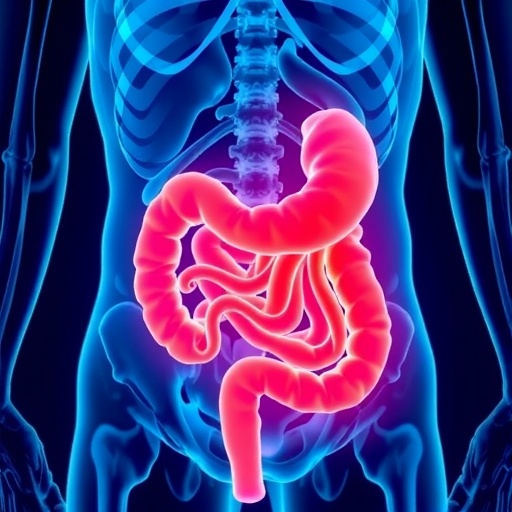
In recent years, the management of acute appendicitis has witnessed significant evolution, particularly when considering diverse patient populations. One of the most pressing challenges faced by healthcare professionals today is addressing acute appendicitis in geriatric patients. This demographic presents a unique clinical scenario due to its complex physiology, higher incidence of comorbidities, and often atypical symptom presentations. A pivotal study emerging in 2026 sheds new light on treatment paradigms, comparing surgical intervention versus conservative management, providing crucial insights into tailoring care for elderly patients.
Appendicitis remains one of the most common reasons for emergency abdominal surgery globally. However, its presentation among the elderly is often obscured by overlapping conditions such as cardiovascular diseases, diabetes, and diminished immune responses. These complicating factors frequently delay diagnosis, increasing the risk of perforation, sepsis, and consequently higher mortality rates. The 2026 study discusses these intricacies by evaluating clinical outcomes and prognostic indicators in surgical and non-surgical interventions, offering a comprehensive analysis of patient trajectories.
Historically, appendectomy has been the gold standard treatment for acute appendicitis, considered both definitive and urgent. Yet, surgical risks in the elderly often necessitate reconsideration. Anesthesia-related complications, postoperative infections, and prolonged hospital stays heighten the stakes in this age group. Conversely, conservative management, primarily involving antibiotics and supportive care, has gained traction as a potential first-line approach, especially when surgery carries prohibitive risks. This research scrutinizes these paradigms to clarify which pathway yields superior survival rates and quality of life post-treatment.
The study employed a robust cohort of geriatric patients diagnosed with acute appendicitis, distinguishing between those who underwent immediate appendectomy and those treated conservatively. Advanced diagnostic imaging, including CT scans supplemented with laboratory inflammatory markers, was harnessed to stratify patients by disease severity. The comprehensive methodology embraced real-time monitoring of clinical parameters, allowing for dynamic clinical decision-making and outcomes assessments, such as resolution of symptoms, complication rates, and recurrence frequencies.
Intriguingly, the findings challenge entrenched clinical dogmas by demonstrating that conservative management, under strict clinical oversight, can be equally efficacious in select geriatric cohorts. Patients presenting with early-stage appendicitis responded favorably to antibiotic regimens, avoiding the substantial perioperative risks associated with surgery. Moreover, rapid symptom resolution and decreased hospitalization times were hallmark benefits, underscoring how tailored therapeutic strategies can minimize healthcare burdens while optimizing patient-centric outcomes.
However, the research also underscored that conservative management is not universally applicable. Elderly patients exhibiting complicated appendicitis signs—such as abscess formation, perforation, or generalized peritonitis—benefited markedly from prompt surgical intervention. The careful balance between conservative and surgical approaches emerged as a pivotal clinical judgment, hinging on prompt diagnosis and individualized risk-benefit analyses. This nuanced understanding could transform protocols currently favoring automatic surgery irrespective of patient-specific nuances.
Technological advancements, including improvements in minimally invasive laparoscopic techniques, were also highlighted within the study. Laparoscopy, with its reduced incision size, minimized tissue trauma, and faster recovery periods, has increasingly become a preferred surgical modality among elderly populations. These innovations have attenuated surgical risks, making appendectomy more viable even in patients previously deemed high-risk. The study’s data reveal tangible improvements in postoperative morbidity and mortality rates linked to this evolution in surgical practice.
Another remarkable facet discussed is the role of inflammatory biomarkers as predictive tools for treatment outcomes. Elevated levels of C-reactive protein (CRP) and leukocyte counts correlated strongly with complicated appendicitis stages. Incorporating these biomarkers into admission protocols enhances diagnostic precision, enabling clinicians to stratify patients more effectively. This biochemical stratification aids in determining suitability for conservative therapy versus immediate surgery, thus personalizing treatment pathways and optimizing resource utilization within healthcare systems.
The study also illuminated the psychological and functional impacts of treatment strategies on elderly patients. Beyond mere survival, the preservation of functional independence and quality of life emerged as essential endpoints. Postoperative delirium, mobility impairments, and prolonged rehabilitation are critical factors that influence the overall prognosis. Conservative management, by potentially circumventing surgical trauma, showed promising associations with better short-term cognitive and physical function preservation, a finding that may influence patient and family decisions in real-world settings.
From a prognostic standpoint, long-term surveillance data were meticulously analyzed, revealing variation in recurrence rates between the two treatment approaches. Surgical patients exhibited minimal appendicitis recurrence, an expected outcome given the definitive organ removal. Conversely, conservatively treated patients faced a measurable risk of relapse, necessitating vigilance and possible subsequent intervention. The study advocates for structured follow-up protocols, incorporating periodic imaging and clinical assessment to promptly identify and address recurrences in this vulnerable population.
Economic implications stemming from treatment choices were not overlooked. The comparative cost-effectiveness analysis incorporated direct costs, encompassing hospital stay lengths, medication expenses, and complication management, alongside indirect costs related to rehabilitation and lost productivity. Conservative management, when suitable, was generally associated with lower initial hospitalization expenses, though recurrent appendicitis posed potential future financial burdens. These findings highlight the need for healthcare policy frameworks to dynamically adapt to emerging evidence, promoting both patient well-being and system sustainability.
The investigation carefully examined the influence of comorbid conditions, prevalent in geriatric populations, on treatment success and complication rates. Diabetes mellitus, cardiovascular diseases, and chronic pulmonary illnesses each modulated healing trajectories and susceptibility to infection. These factors necessitated multidisciplinary collaboration, integrating surgical, medical, and geriatric expertise to craft personalized, safe treatment pathways. This holistic approach promises to be the cornerstone for achieving optimal outcomes in an increasingly aging global population.
In terms of clinical guidelines, the study data encourage a paradigm shift towards more flexible and individualized management algorithms. Rather than an automatic default to surgery, a tiered approach incorporating severity assessment, patient frailty indices, biochemical markers, and imaging findings is advocated. This adaptive framework promotes judicious use of surgical intervention while recognizing the viable option of antibiotic-first strategies, a shift with potential to reduce unnecessary surgical morbidity in elderly patients worldwide.
The research also calls attention to the critical importance of patient education and shared decision-making. Elderly patients and their caregivers benefit from understanding the pros and cons of both surgical and conservative treatments, including potential risks, benefits, and long-term considerations. Empowering patients through clear communication not only improves satisfaction but may positively influence adherence to prescribed regimens and timely pursuit of follow-up care, ultimately improving clinical outcomes.
Moreover, the study spotlights future research avenues, including the development of predictive models integrating clinical, biochemical, and radiological data to guide appendicitis management in the elderly with even greater precision. Personalized medicine approaches, leveraging machine learning and artificial intelligence, could revolutionize decision-making, minimizing guesswork and tailoring interventions to individual risk profiles. Trials assessing novel antibiotics or enhanced recovery protocols specifically adapted for geriatric patients are also posited as necessary next steps.
In conclusion, this groundbreaking 2026 study redefines our understanding of acute appendicitis management in the geriatric population by meticulously contrasting surgical and conservative approaches. Its comprehensive and nuanced analysis, enriched by clinical, biological, and technological insights, heralds a more personalized and cautious treatment ethos. As the aging global population swells, such evidence-based strategies will be indispensable in optimizing care, reducing surgical risks, and enhancing quality of life in this vulnerable demographic.
The implications of this research extend beyond appendicitis, setting a precedent for managing acute surgical conditions with sensitivity to geriatric complexities. Integrating multidisciplinary care, embracing technological advances, and empowering patients in decision-making will likely underpin future healthcare models addressing surgical emergencies in older adults. This transformative work thus paves the way for safer, more effective, and individualized treatment paradigms that marry clinical excellence with compassionate geriatrics.
Subject of Research: Acute appendicitis management strategies in the geriatric population, comparing surgical intervention and conservative treatment.
Article Title: Acute appendicitis in geriatric population: a clinical and prognostic comparison of surgical intervention and conservative management.
Article References:
Aslan, F., Binici, S., Beger, B. et al. Acute appendicitis in geriatric population: a clinical and prognostic comparison of surgical intervention and conservative management. BMC Geriatr (2026). https://doi.org/10.1186/s12877-026-07499-3
Image Credits: AI Generated
Tags: 2026 appendicitis treatment studyacute appendicitis in elderly patientsappendectomy risks in elderlyappendicitis diagnosis challenges in older adultsappendicitis mortality rates in elderlycomorbidities affecting appendicitis treatmentconservative management of appendicitisdelayed appendicitis diagnosis consequencesgeriatric emergency abdominal surgerynon-surgical treatment outcomes for appendicitispostoperative complications in elderly surgerysurgical intervention for geriatric appendicitis