In the wake of the global COVID-19 pandemic, a critical and emerging area of scientific inquiry has centered on the long-term health sequelae experienced by individuals who have survived severe infection. A groundbreaking new study, recently published in Nature Communications, offers an unprecedented comprehensive analysis of post-acute organ complications developing within one year following hospitalization for COVID-19, shedding light on the complex interplay between viral pathology and socioeconomic factors that influence patient outcomes.
The investigation, led by Cavillot, Van den Borre, Ghattas, and colleagues, meticulously tracked a large cohort of hospitalized COVID-19 survivors, systematically documenting the incidence and spectrum of organ dysfunction manifesting beyond the acute phase of the infection. This longitudinal approach is paramount, as the virus has demonstrated a capacity to perturb multiple organ systems, not only through direct viral invasion but also via sustained immunopathological and thrombotic mechanisms triggered during and after acute illness.
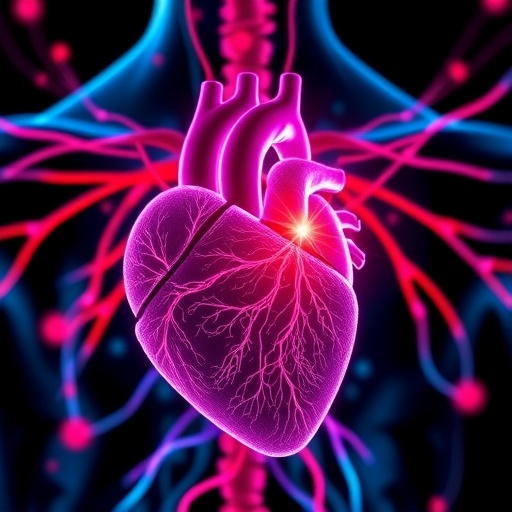
The researchers employed an integrative analytic framework combining clinical data, laboratory markers, and imaging modalities to delineate the nature and severity of organ injury. Cardiovascular complications were found to be among the most prevalent and severe, with manifestations including myocarditis, arrhythmias, and chronic heart failure. These abnormalities are hypothesized to result from direct viral myocardium infection, persistent inflammation, microvascular injury, and secondary effects of systemic hypoxia experienced during acute COVID-19.
Pulmonary sequelae also featured prominently in the study’s findings. Many patients exhibited evidence of fibrotic lung changes, decreased diffusion capacity, and chronic respiratory insufficiency, phenomena that paralleled previous observations in SARS and MERS survivors. The fibrotic remodeling processes implicate a persistent aberrant wound healing response induced by alveolar epithelial injury and sustained inflammatory signaling within the lung parenchyma, underscoring the need for targeted antifibrotic therapeutics.
Beyond the heart and lungs, neurological complications presented a particularly challenging dimension. The cohort displayed a spectrum of neurocognitive impairments, including post-viral encephalopathy, neuropathy, and neuropsychiatric disorders such as depression and anxiety. The pathophysiology likely encompasses direct viral neurotropism, disruption of the blood-brain barrier, and chronic neuroinflammation, potentially mediated by microglial activation and cytokine dysregulation, which collectively contribute to what is now clinically recognized as “Long COVID.”
Renal dysfunction emerged as another critical concern. Acute kidney injury during hospitalization often progressed to chronic kidney disease in a subgroup of survivors, likely driven by sustained endothelial injury and microthrombi formation within the renal microvasculature. Moreover, some patients showed abnormal proteinuria and hematuria, reflecting ongoing subclinical nephron damage that may eventually culminate in dialysis dependence if untreated.
The liver, often overlooked in early COVID-19 research, was also scrutinized in this comprehensive study. Post-acute hepatic complications included persistent elevation of transaminases, cholestasis, and in some cases, development of fibrosis. These manifestations might be attributable to direct viral effects, ischemic injury due to coagulopathy, or drug-induced liver injury from therapeutics administered during hospitalization.
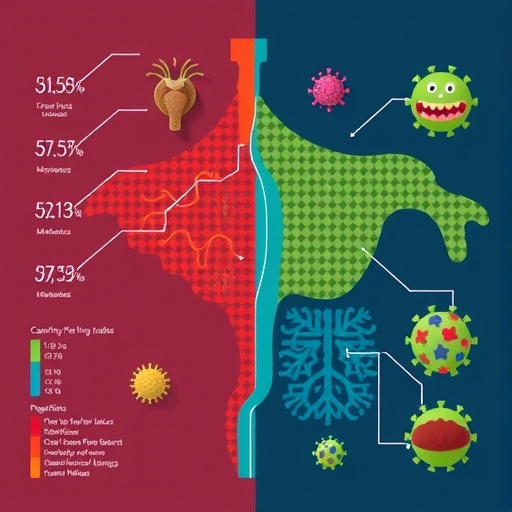
Crucially, the research highlights stark socioeconomic disparities that amplify the risk of adverse long-term outcomes. Patients from lower-income brackets experienced higher rates of organ complications, delayed recognition of symptoms, and reduced access to rehabilitative care. These inequalities are compounded by factors such as crowded living conditions, limited health literacy, and occupational exposures that potentiate initial viral load and systemic inflammation severity.
The intricate linkage between socioeconomic status and post-COVID morbidity signifies a public health imperative to implement equitable health policy interventions. Enhanced surveillance programs, tailored rehabilitation pathways, and community-based support systems must be prioritized to mitigate these disparities and improve quality of life for vulnerable populations.
At the molecular level, this study underscores the importance of ongoing research into pathogen-host interactions that contribute to multisystemic pathology. It advocates for biomarker-driven stratification of patients to enable precision medicine approaches. For example, circulating cytokine profiles, endothelial injury markers, and autoantibody panels may guide clinicians in anticipating organ-specific risks and customizing therapeutic protocols.
Furthermore, the dataset serves as a foundational resource for exploring potential therapeutic avenues. Anti-inflammatory agents, anticoagulants, and antifibrotic drugs are being scrutinized for their capacity to interrupt the progression of post-acute organ damage. Additionally, regenerative medicine techniques, such as stem cell therapy, offer a promising frontier to restore functional tissue integrity compromised by viral insult.
This longitudinal cohort analysis also advances our understanding of viral persistence and immune dysregulation, phenomena that may underpin chronic symptomatology in the post-COVID population. The findings stimulate critical questions regarding the role of viral reservoirs and the interplay with autoimmunity, which could redefine therapeutic strategies and vaccine development.
In the context of global health, these discoveries emphasize the necessity of integrating social determinants of health into clinical practice and research frameworks for infectious diseases. The intersection of virology, immunology, and social science illuminated by this study exemplifies a holistic approach required to confront complex pandemics and their aftermath.
As health systems worldwide brace for the influx of patients suffering from post-acute COVID-19 complications, the insights gleaned from this comprehensive research equip clinicians and policymakers with crucial evidence. By identifying the nuanced patterns of organ-specific damage and their socioeconomic modifiers, targeted interventions can be deployed efficiently to prevent long-term disability and reduce healthcare burdens.
In summation, this seminal study published in Nature Communications delineates the far-reaching and multifaceted consequences of COVID-19 beyond the initial infection, revealing a spectrum of organ dysfunction compounded by social inequities. It signals a paradigm shift in managing viral diseases, emphasizing the importance of long-term monitoring, interdisciplinary care, and addressing the broader determinants of health to improve survivor outcomes universally.
Subject of Research:
Post-acute organ complications following COVID-19 hospitalization and associated socioeconomic inequalities.
Article Title:
Post-acute organ complications within one year following COVID-19 hospitalization and related socioeconomic inequalities
Article References:
Cavillot, L., Van den Borre, L., Ghattas, J. et al. Post-acute organ complications within one year following COVID-19 hospitalization and related socioeconomic inequalities. Nat Commun (2026). https://doi.org/10.1038/s41467-026-71486-w
Image Credits:
AI Generated
Tags: cardiovascular issues after COVID-19chronic heart failure in COVID survivorshospitalized COVID-19 patient studiesimmunopathology of COVID-19integrative clinical research COVID-19long-term COVID-19 health effectsmulti-organ dysfunction after COVID-19myocarditis post-COVIDpost-acute COVID syndrome analysispost-COVID organ complicationssocioeconomic disparities in COVID outcomesthrombotic mechanisms in COVID-19