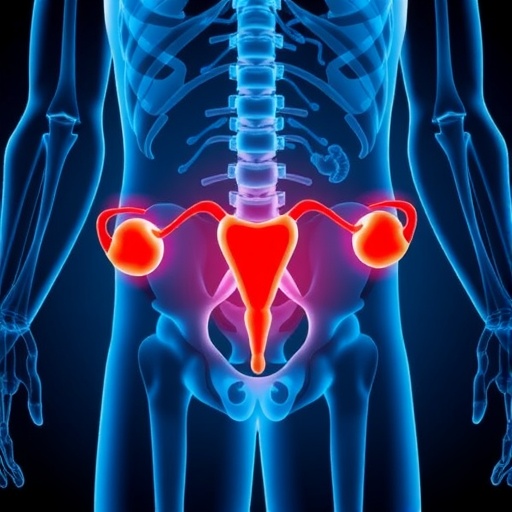
Neural pathways intricately orchestrate the functions of the lower urinary tract (LUT) and sexual organs, rendering these systems vulnerable to a wide spectrum of neurological diseases. Damage anywhere along the neuraxis—from the cerebral cortex down through the spinal cord—can disrupt these delicate networks, leading to profound urogenital dysfunction. Such dysfunction manifests variably, ranging from urinary retention to incontinence, and sexual deficits including loss of libido and impaired orgasmic function. The complexity underpinning these disorders challenges clinicians and researchers alike, emphasizing the need to unravel the neurophysiological mechanisms to optimize management strategies.
The LUT comprises primarily the bladder and urethra, with the prostate gland adding an additional layer of complexity in males. Its function hinges on a well-coordinated interplay between detrusor muscle contraction and sphincter relaxation, mediated via a fine-tuned neural circuitry involving autonomic and somatic components. For instance, underactive bladder results from impaired detrusor contractility or impaired neural drive, culminating in urinary retention and increased risk of infections. Conversely, an overactive bladder, characterized by involuntary detrusor contractions, leads to urinary urgency and incontinence—conditions with significant impact on quality of life.
Sexual function, inherently linked to an intricate neurovascular network, demands the harmonious integration of sensory input, central processing, and efferent signaling to genital tissues. Any neurological insult that disrupts this nexus can precipitate erectile dysfunction, anorgasmia, or impaired ejaculation. Loss of libido may relate both to direct neural injury and the psychological burdens often accompanying chronic neurological illnesses. These multifaceted disturbances necessitate a comprehensive understanding of the neuroanatomical substrates involved to develop targeted therapeutic interventions.
Neurological conditions such as stroke introduce acute and often focal damage to supraspinal centers governing micturition and sexual response. The resultant deficits vary based on lesion location but commonly encompass detrusor overactivity and impaired coordination between bladder and sphincter muscles, contributing to urinary incontinence. Post-stroke aphasia and cognitive decline can further compromise a patient’s ability to manage and communicate these symptoms, complicating clinical care.
In neurodegenerative diseases like Alzheimer’s disease, urogenital dysfunction emerges insidiously, often intertwined with cognitive impairment. The progressive degeneration of cortical and subcortical areas disrupts neural circuits regulating autonomic and voluntary control over LUT and sexual function. Consequently, patients may present with detrusor overactivity alongside diminished sexual interest, reflecting the widespread neural compromise characteristic of this disease.
White matter disease, often linked to vascular pathology, disrupts the subcortical communication highways integral to LUT control. Demyelination and ischemic lesions impair signaling pathways essential for bladder storage and voiding phases, precipitating symptoms ranging from increased urinary frequency to retention. These changes underscore the significance of white matter integrity in maintaining urogenital homeostasis, an area gaining increasing attention for therapeutic targeting.
Normal-pressure hydrocephalus (NPH) offers a paradigmatic example of a reversible cause of urogenital dysfunction. NPH is characterized by ventriculomegaly and altered cerebrospinal fluid dynamics that impair periventricular white matter tracts involved in bladder control. Clinically, this manifests as urgency, frequency, and sometimes incontinence, often accompanied by gait disturbance and cognitive impairment. Ventriculoperitoneal shunting, the mainstay of NPH treatment, can mitigate urinary symptoms by restoring neural circuit functionality.
Parkinson disease (PD), with its hallmark dopaminergic depletion, profoundly affects both motor control and autonomic functions including those of the LUT and sexual systems. Patients frequently exhibit detrusor overactivity, leading to urinary urgency and nocturia, while sexual dysfunctions such as erectile difficulties and decreased libido are pervasive. The involvement of basal ganglia circuits in autonomic regulation highlights the broad impact of PD beyond classical motor symptoms.
Dementia with Lewy bodies (DLB) shares some urogenital dysfunction features with PD but also presents unique challenges due to fluctuations in cognition and attention that can exacerbate bladder control difficulties. The presence of alpha-synuclein inclusions throughout the central and peripheral nervous systems in DLB underlines the widespread neurodegeneration contributing to complex symptomatology, complicating patient management further.
Multiple system atrophy (MSA), a neurodegenerative disorder with prominent autonomic failure, almost invariably involves severe urogenital dysfunction. Early and profound bladder emptying failure, often necessitating catheterization, typifies MSA. Sexual dysfunction is typically severe, underpinned by widespread autonomic denervation affecting genital vasculature and neural signaling, thereby profoundly diminishing patient quality of life.
Spinal cord injury (SCI) represents a paradigmatic neurogenic cause of LUT dysfunction, where disruption of descending and segmental pathways leads to profound alterations in bladder storage and voiding. Depending on the level and completeness of injury, patients may exhibit areflexic bladders or spasticity-induced detrusor-sphincter dyssynergia, with corresponding risks of urinary retention, reflux, and renal damage. Sexual dysfunction following SCI often reflects both neural injury and secondary psychological consequences.
Multiple sclerosis (MS), characterized by demyelination and axonal injury in the central nervous system, frequently presents with a range of bladder and sexual dysfunctions. Lesions impacting pontine micturition centers or spinal neural tracts disrupt the delicate regulatory balance necessary for coordinated LUT function. Often, MS patients experience urgency, frequency, and incomplete bladder emptying, compounded by sexual problems related to sensory and motor pathway involvement.
Spina bifida, a congenital neural tube defect, predisposes individuals from birth to neurogenic bladder and sexual dysfunction due to malformed spinal cord structures. The extent of dysfunction often correlates with lesion level, manifesting as detrusor overactivity or underactivity and sphincter incompetence. Early and proactive urological management in these patients is essential to prevent long-term renal damage and optimize sexual health.
Advances in elucidating the neurophysiology of urogenital control have driven innovative therapeutic approaches. Neuromodulation techniques, including sacral nerve stimulation and tibial nerve stimulation, provide promising non-pharmacological options to alleviate symptoms of overactive bladder and pelvic floor dysfunction across neurological disorders. These modalities facilitate modulation of afferent and efferent pathways, restoring balance within disrupted neural circuits.
Pharmacologic management has evolved with agents targeting specific neurotransmitter systems implicated in urogenital dysfunction. Cholinergic antagonists, beta-3 adrenergic agonists, and botulinum toxin injections serve to modulate detrusor overactivity and improve bladder storage capacity. Meanwhile, phosphodiesterase inhibitors and intracavernosal therapies address sexual dysfunction by enhancing vascular and neural responses critical for erection and orgasm.
Moreover, personalized rehabilitation strategies incorporating pelvic floor muscle training, biofeedback, and interdisciplinary care paradigms have underscored the importance of holistic management. Psychological support addressing the emotional and relational consequences of urogenital dysfunction enhances therapeutic outcomes, fostering improved adherence and quality of life in affected individuals.
In sum, urogenital dysfunction in neurological diseases embodies a complex interplay of neuroanatomical disruption, neurophysiological derangement, and psychosocial impact. Integrating advances across basic science and clinical domains holds promise for more effective, tailored interventions that address both the functional impairments and the profound personal burden borne by patients. Ongoing research aimed at unraveling the mechanistic underpinnings provides a fertile ground for innovation, heralding a new era in the management of neurogenic urogenital disorders.
Subject of Research: The study investigates urogenital dysfunction arising from neurological diseases affecting various levels of the central nervous system, focusing on the lower urinary tract and sexual organs’ physiology, innervation, and clinical manifestations.
Article Title: Urogenital dysfunction in neurological diseases.
Article References:
Sakakibara, R., Yamamoto, T. & Uchiyama, T. Urogenital dysfunction in neurological diseases. Nat Rev Neurol 22, 226–238 (2026). https://doi.org/10.1038/s41582-025-01181-9
Image Credits: AI Generated
DOI: https://doi.org/10.1038/s41582-025-01181-9
Tags: autonomic control of bladderdetrusor muscle impairmentmanagement of neurogenic urogenital disordersneural pathways of lower urinary tractneurogenic bladder dysfunctionneurophysiology of urinary systemneurovascular mechanisms of sexual functionsexual dysfunction and neurological damagespinal cord injuries and bladder controlurinary incontinence in neurological diseaseurinary retention causesurogenital dysfunction in neurological disorders